
Plants
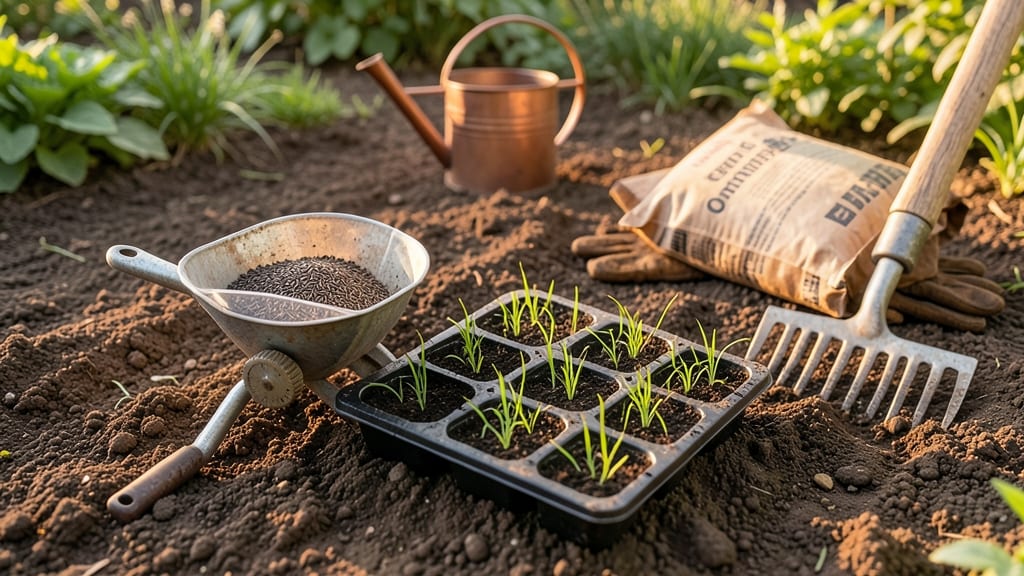
Timing your cool season grass planting in spring is the game-changer between a vibrant lawn and a frustrating patchwork of uneven growth. Most gardeners in Zone 6 default to planting too early, when soil temperatures are still too chilly for 🌱 cool-season grass to thrive.
The key? Waiting until the ground warms to 50-65°F—that’s when seeds germinate reliably and roots establish strong.
Let’s cut through the guesswork. You don’t need a degree in horticulture to nail this—just a simple soil thermometer and a 3-step checklist to avoid common mistakes. Whether you’re seeding Kentucky bluegrass or fescue, knowing when to act (and when to wait) saves time, money, and a lot of frustration.
I’ll walk you through the exact timing for your region, so you can plant with confidence.
Here’s the truth: planting too soon means wasted seed and slow growth, while waiting too long risks summer heat stress. The ideal window in Zone 6a is 4-6 weeks before your last frost—typically late March to early April—but soil temperature is the real decider.
Stick with me, and you’ll learn how to read your soil’s cues like a pro.
Ready to transform your lawn? We’ll cover everything from soil prep to seed selection, so you can start strong and enjoy that lush green carpet by summer. Let’s get your grass off to the perfect beginning.
Optimal soil temperature ranges for cool season grass germination
Cool season grasses like Kentucky bluegrass, tall fescue, and ryegrass thrive when planted in spring or fall, but the key to success lies in soil temperature. Unlike warm-season grasses, these varieties germinate best when the ground is cool but warming—typically between 50°F and 65°F.
Planting too early in cold soil slows germination, while waiting too long risks summer heat stress.
Most gardeners focus on frost dates, but soil temperature is the real indicator. For example, in Zone 5, you might plant in early April when air temps are still chilly, but the soil has reached 55°F.
In Zone 8, late spring (May) works better to avoid summer dormancy. Always check soil temps before seeding.
To test soil temperature accurately, use a soil thermometer buried 2 inches deep. Early mornings (7–9 AM) are ideal for readings, as temps fluctuate less. If your soil is below 50°F, wait 1–2 weeks—patience prevents patchy germination. Pro tip: Mulch lightly after seeding to retain warmth without overheating.
Different cool season grasses have slight variations in their ideal ranges. Fine fescue tolerates cooler soils (45–55°F), while Kentucky bluegrass prefers the upper end (55–65°F).
Mixing varieties? Aim for a 50–60°F sweet spot to balance germination rates. Always match your seed type to your local climate for best results.
🌱
🌱 Cool Season Grass Soil Temperature Guide
| Grass Type | Optimal Soil Temp (°F) | Best Planting Window | Key Tip |
|---|---|---|---|
| Kentucky Bluegrass | 55–65°F | Early spring (4–6 wks before last frost) | Needs warm soil to germinate quickly |
| Tall Fescue | 50–60°F | Late spring (after frost risk passes) | Tolerates cooler soils than bluegrass |
| Fine Fescue | 45–55°F | Early spring or fall | Best for shady or cool climates |
| Perennial Ryegrass | 50–65°F | Early spring or late summer | Fast germinator—ideal for overseeding |
⚠️ Warning: Soil temps above 70°F can cause seed dormancy or poor establishment.
Regional climate plays a huge role in timing. In northern states (Zones 3–5), aim for April planting when soil warms to 50°F. In southern states (Zones 7–10), late spring (May–June) avoids summer heat stress. Always monitor local weather patterns—unpredictable spring frosts can delay planting by weeks.
If your soil is too cold, don’t rush! Cover seeds with lightweight row covers or wait until temps rise naturally. Overzealous gardeners often plant too early, leading to slow germination or seed rot.
Patience ensures a uniform stand and reduces weed competition. Test your soil’s moisture too—dry soil can trick you into thinking it’s warmer than it is.
For best results, pair soil temperature checks with moisture testing. Stick your finger 2 inches deep—if it feels dry, water before seeding. Cool season grasses need consistent moisture to germinate, but soggy soil can suffocate seeds.
Aim for 1 inch of water per week once planted, keeping the soil evenly damp but not waterlogged.
💧
One common mistake is relying on air temperature instead of soil temp. A 60°F morning might feel perfect, but the soil could still be 45°F deep down. Use a soil thermometer for accuracy—it’s the only way to know for sure.
If you’re in doubt, err on the side of waiting. Cool season grass seeds can remain viable in the soil for months, so there’s no rush to plant before conditions are ideal.
Proper soil prep also affects germination timing. Loosen the top 2–3 inches of soil and mix in compost to improve warmth retention. Avoid heavy tilling, which can bury seeds too deep.
For slopes or compacted soil, consider a slit seeder to place seeds at the perfect ¼-inch depth. This small detail makes a big difference in even germination.
Optimal soil temperature ranges for cool season grass germination
Cool season grasses like Kentucky bluegrass, tall fescue, and ryegrass thrive when soil temperatures hover between 50°F and 65°F. This window ensures fast germination and strong root development. Below this range, seeds may rot; above it, they risk drying out before sprouting.
The ideal temperature for most cool season varieties is 55-60°F, where germination typically occurs within 7-14 days.
Testing your soil temperature is easier than you think. Use a soil thermometer (available for under $10) to check the top 2 inches of soil in the morning.
If it’s consistently below 50°F, wait a few days—rushing leads to poor germination rates. Pro tip: Early morning readings are most accurate because soil cools overnight.
Regional variations matter. In Zone 3-5, soil warms slowly, so aim for late April to early May planting. Meanwhile, Zone 6-8 gardeners can start as early as March, but always verify with your thermometer. Southern zones (9-10) should plant in late fall instead, avoiding spring heat stress.
Here’s a quick soil temperature