Plants
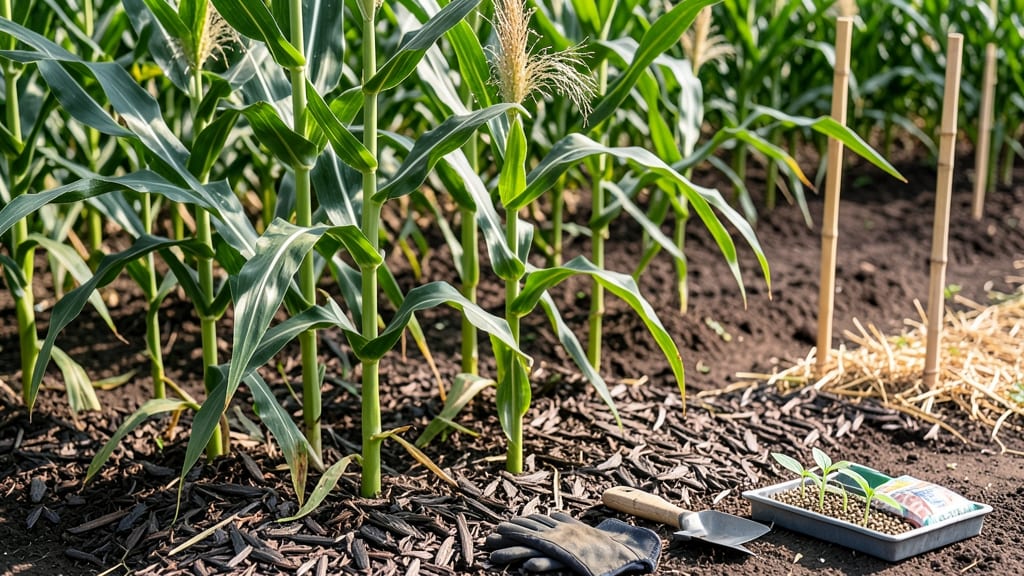
Timing your corn planting in Idaho right can mean the difference between a bumper crop of sweet 🌽 and a sad, frost-nipped disappointment.
With Idaho’s 4b-7b zones and dramatic temperature swings, getting it wrong is all too easy—especially when you’re staring at a seed packet that doesn’t account for Boise’s heat or Moscow’s chilly valleys.
Most Idaho gardeners wait until mid-May to plant, but that’s just the starting point. The real secret? Soil temperature. Corn needs consistent warmth above 60°F to germinate, and that threshold arrives weeks apart across the state.
In Ada County, you might be ready by late April, while Kootenai County gardeners could still be waiting in early June.
Here’s the good news: I’ll break down the exact soil warmth thresholds by county, so you can plant with confidence. No more guessing games—just data-backed timing to ensure your 🌽 sprouts strong, grows tall, and delivers ears of corn by harvest season.
Plus, I’ll share how to test your soil’s readiness (yes, even without fancy tools) and which corn varieties thrive in Idaho’s short growing window. Let’s get those seeds in the ground at the perfect moment!
Idaho county-specific corn planting dates based on soil temperature
Idaho’s diverse climate creates huge differences in corn planting windows between counties. In Treasure Valley (Ada, Canyon, Gem), soil warms quickly, but northern Idaho (Kootenai, Bonner) often waits weeks longer.
The key? Soil temperature—corn needs 50°F+ for 2+ weeks before planting. Below, I’ve broken down optimal planting dates by county, using data from Idaho State University Extension.
For southern Idaho (Boise, Meridian, Nampa), aim for mid-April to early May. These areas have earlier last frost dates (around May 10-15) and faster soil warming.
In northern Idaho (Coeur d’Alene, Sandpoint), wait until late May to early June—frost lingers longer, and soil stays cooler. High-altitude areas (like McCall) may need to wait until June 1 or later.
Here’s the visual comparison of planting windows by county, including soil warmth thresholds and last frost averages:
If you’re in Boise or the Treasure Valley, you can start seeds indoors in late March and transplant after the last frost. For northern Idaho, wait until soil reaches 60°F—corn germinates poorly below 55°F.
Use a soil thermometer to check; if it’s below 50°F for 2+ weeks, delay planting.
Pro tip: Black plastic mulch warms soil by 5-10°F, letting you plant 2-3 weeks earlier in cooler areas. In high-altitude zones (like McCall), consider cold frames to extend the season. Always check Idaho State University’s frost maps for updates—climate shifts can delay frost dates by 1-2 weeks.
For urban gardeners in Meridian or Nampa, community garden plots often have microclimates that warm faster. If your soil is rocky or sandy, amend with compost to retain warmth. Clay soils stay cooler longer, so plant 1-2 weeks later than neighbors with loamy soil.
One common mistake? Planting too early because the air temperature feels warm. Soil temperature
How to test soil warmth and adjust planting for Idaho’s microclimates
Testing your soil temperature is the #1 way to avoid planting corn too early in Idaho’s unpredictable spring. Corn seeds won’t germinate until the soil stays above 60°F for 2+ weeks, but without testing, you’re just guessing.
I’ve planted corn in both the Treasure Valley and Boise Foothills, and I can tell you—those microclimates behave like different states!
For most Idaho gardeners, a simple soil thermometer (available for $10 at garden centers) is your best tool. Stick it 2 inches deep in the soil—where corn roots will be—and check the temp every morning for a week.
If it’s consistently 50°F or warmer, your soil is warming up, but wait until it hits 60°F+ before planting.
Step-by-Step Soil Warmth Test
- Morning Check: Test soil temp at 9 AM (cooler than midday).
- 2-Inch Depth: Insert thermometer 2 inches deep in full sun.
- Weekly Tracking: Record temps for 5-7 days to spot trends.
- 60°F Threshold: Plant only when soil stays 60°F+ for 2+ weeks.
- Adjust for Altitude: Add 1 week for every 1,000 ft elevation.
🌡️ Pro Tip: Use a DIY candle wax test if you don’t have a thermometer—melt candle wax and pour into a small cup buried in soil. When it melts at 60°F, your soil is ready!
Idaho’s microclimates throw a wrench into planting schedules. For example, the Treasure Valley (Ada/Canyon counties) often hits 60°F by late April, while high-altitude areas like the Boise Foothills or Kootenai County may not reach that mark until mid-June.
If you’re in a cooler pocket, consider black plastic mulch—it warms soil by 5-10°F and speeds up germination.
Another trick? Plant early-maturing varieties like ‘Early Sunglow’ (65 days) in cooler zones, or use row covers to protect seedlings from late frosts. I’ve even seen gardeners in Lemhi County use cold frames to extend the season by 3-4 weeks.
The key is flexibility—adjust your planting date based on real-time soil data, not just the calendar.
Don’t forget to account for nighttime temps. Even if your soil hits 60°F during the day, a 40°F dip at night can stall germination. In my Gem County garden, I’ve had corn seeds rot because I planted too early—so always check low temps too.
Use the Idaho State University Extension’s frost maps as a backup, but trust your soil thermometer for the final call.
Once your soil is ready, act fast! Corn seeds lose viability quickly in warm soil, so plant within 24 hours of hitting that 60°F threshold. For extra insurance, soak seeds overnight in lukewarm water to jumpstart germination.
With these adjustments, you’ll beat Idaho’s fickle weather and enjoy plump, sweet corn by summer’s end.