
Plants
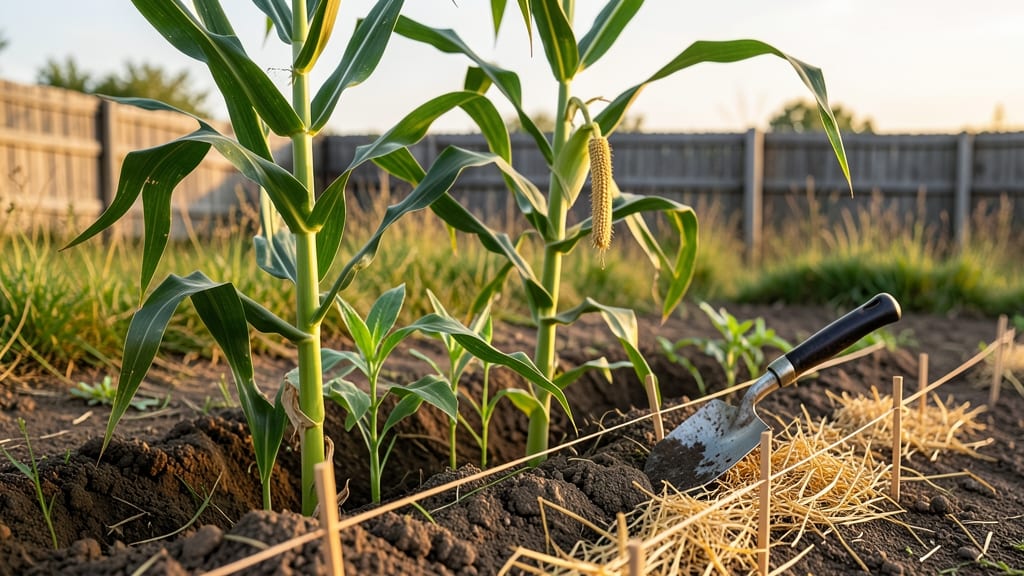
Planting corn in South Florida at the wrong time can mean the difference between sweet, juicy ears and bitter, bolted disappointment. The key to success isn't just about when you plant—it's about understanding how Florida's unique climate affects your 🌽 crop.
With year-round growing potential but intense summer heat, timing matters more than you might think. I've learned that planting during the cooler months of spring and fall gives your corn the best chance to thrive without bolting prematurely.
Let me show you the exact months that work best for South Florida's 10a-11 zone.
You'll discover why June-July and September-October are the sweet spots for planting, and how to adjust for your specific location whether you're in Miami, Tampa, or Orlando. These precise windows help avoid the heat stress that causes corn to bolt before you can harvest those perfect ears.
Beyond timing, I'll share proven tips to maximize your corn's potential—from soil prep to variety selection—so you can enjoy homegrown corn that rivals what you'd find at the market. Let's get started on your path to corn-growing success.
Optimal corn planting months in South Florida (with heat tolerance zones)
South Florida’s tropical climate means corn thrives year-round, but timing is everything to avoid premature bolting. The best windows are June–July and September–October, when temperatures stay ideal for germination and growth.
Planting outside these months risks heat stress or rapid maturation, leading to tough, starchy kernels instead of sweet, tender ears.
In Miami-Dade and Broward County, coastal humidity demands earlier plantings (late May–early June) to beat summer’s peak heat. Meanwhile, Orlando and Lake County can push plantings slightly later (June–July) thanks to slightly cooler inland temperatures.
Always check soil temps—corn needs 60°F+ to germinate, and South Florida’s summer soils often hit this mark by mid-May.
Fall plantings (August–September) are your second chance for sweet corn. By September 15, you’ll avoid the hottest months and still harvest before winter chill sets in. Use shade cloth (30–50%) if planting in late September to slow growth and extend the harvest window.
| Planting Window | Best For | Soil Temp | Harvest Time | Key Tip |
|---|---|---|---|---|
| Late May–Early June | Coastal Areas (Miami, Fort Lauderdale) | 60–75°F | July–August | Use drip irrigation to avoid fungal risks. |
| June–July | Inland Areas (Orlando, Tampa) | 65–80°F | August–September | Choose heat-tolerant varieties like ‘Peaches and Cream.’ |
| August–September | All Regions (Fall Harvest) | 70–85°F | October–November | Apply mulch to retain moisture. |
| December–January | Winter Planting (Risky) | 60°F+ (rare) | February–March | Use row covers for frost protection. |
For year-round success, I recommend succession planting every 2–3 weeks during the optimal windows. This ensures a continuous harvest and reduces the risk of bolting from sudden heat spikes. For example, plant half your seeds in June and the other half in late July to stagger maturity.
Variety selection is critical in South Florida. Sweet corn varieties like ‘Silver Queen’ (75 days) and ‘Peaches and Cream’ (85 days) handle heat better than standard types. Avoid long-season varieties (90+ days), as they’ll bolt before producing ears in Florida’s heat. Always check the seed packet for days to maturity and adjust planting dates accordingly.
Monitor weather forecasts for heat advisories during planting. If temperatures exceed 90°F for more than 3 consecutive days, delay planting or use shade cloth to protect seedlings. Inland areas like Polk County may experience cooler nights, allowing slightly later plantings than coastal zones.
Pro tip: Test your soil before planting—South Florida’s sandy soils drain too quickly. Amend with compost or aged manure to improve moisture retention. Aim for a pH of 6.0–6.8, as corn is sensitive to acidic or alkaline soils.
A simple soil test kit (available at garden centers) makes this easy.
Finally, remember that corn loves space. In South Florida’s compact gardens, use trellises or vertical supports to save room. This also improves air circulation, reducing the risk of fungal diseases like corn smut or leaf blight, which thrive in Florida’s humidity.
Optimal corn planting months in South Florida (with heat tolerance zones)
South Florida’s year-round growing season means you can plant corn almost anytime—but timing is everything to avoid the dreaded bolting. The best windows are June–July for summer plantings and September–October for fall harvests.
These months balance heat tolerance and rainfall patterns to give your corn the best shot at sweet, tender ears.
Your exact microclimate matters. Coastal areas like Miami stay hotter longer, while inland zones like Orlando cool slightly in fall. Even a 2-week shift can mean the difference between a bumper crop and a sad, bolted disappointment. Let’s break down the ideal planting schedule by zone to maximize your success.
For coastal areas, aim for June–July or September to avoid the hottest afternoons that trigger bolting. Inland zones can push planting slightly earlier (May–June) or later (August–September) thanks to cooler nights.
Always check your local weather forecasts for heat advisories—even a 3-day stretch above 95°F can send your corn into a panic.
Pro tip: Use soil thermometers to confirm 60°F+ soil temps before planting. Corn seeds need warmth to germinate, and South Florida’s sandy soils heat up fast. If your soil is cooler than expected, wait a few more days—rushing leads to uneven sprouting and weaker plants.
Remember, fall plantings give you the sweetest ears because cooler temps slow bolting. Start seeds indoors in late July if you want a head start, then transplant mid-August for a November harvest.
This two-step method works especially well in Orlando’s inland zones, where nights dip into the 60s°F.
Your corn’s success hinges on these monthly windows—but don’t stress if you miss them. With the right variety selection and care tweaks, you can still grow corn in South Florida year-round.
Next, we’ll dive into how to adjust for microclimates and keep your plants from bolting before they’re ready.