
Plants
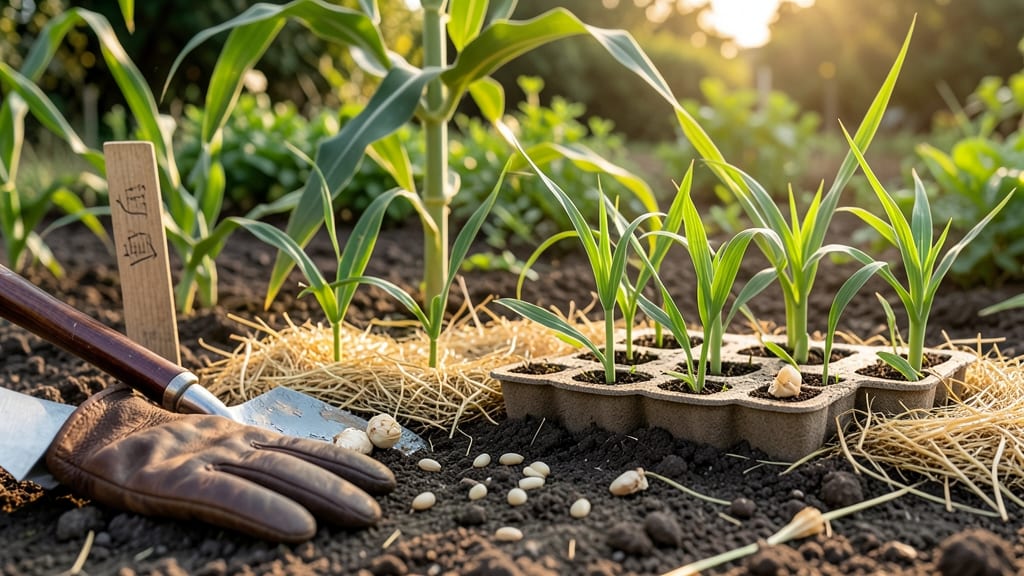
Timing your corn planting in Zone 5b can make or break your harvest—get it wrong, and you’ll either lose seedlings to frost or watch your plants wilt under summer heat. The key to fast germination and bumper crops lies in understanding soil temperatures and regional microclimates.
In Zone 5b, where last frost typically hits mid-April, your planting window stretches from mid-April to early June—but not all dates are created equal. Plant too early, and chilly soil will stall growth; too late, and your corn may mature just as summer’s heat kicks in.
I’ll show you exactly when to start seeds for reliable success, plus tricks to warm up cool soil faster.
Beyond dates, soil temperature is the real game-changer. Corn needs soil at 50°F or warmer to germinate, and testing it (without fancy tools) is easier than you think.
We’ll cover how to prepare your soil, choose the right varieties for your short growing season, and keep your plants thriving until harvest.
Whether you’re a first-time gardener or a seasoned grower, these insights will help you grow healthier corn with fewer headaches. Let’s get those seeds in the ground at the perfect moment!
Zone 5b corn planting calendar: exact weeks based on soil temperature
Corn thrives when soil temperatures hit 50°F or warmer—any cooler, and germination stalls. In Zone 5b, this means waiting until mid-April to early June after your last frost date. But don’t guess! Use a soil thermometer or the back-of-your-hand test (if soil feels warm to touch, it’s ready).
Your exact planting window depends on whether you’re in northern Zone 5b (shorter season) or southern Zone 5b (longer season). Northern areas should plant by late May, while southern areas can stretch until early June for a second crop.
Corn also needs 165 frost-free days to mature. In Zone 5b, that means starting seeds indoors 4–6 weeks before your last frost (around mid-March) if you’re eager for an early harvest. But direct-sowing outdoors after soil warms is safer for most gardeners.
Here’s the critical rule: Never plant corn when nighttime temps dip below 55°F. Cold snaps after planting can stunt growth or kill seedlings entirely. Check your local Almanac frost dates and adjust 2–3 weeks later for planting.
Pro tip: If your spring is unusually cool, opt for early-maturing varieties (60–70 days to harvest) like ‘Early Sunglow’ or ‘Silver Queen’. These can handle slightly cooler soils and still produce plump, sweet ears before summer heat arrives.
For southern Zone 5b gardeners, a second planting in late June is possible if you choose short-season varieties (like ‘Bodacious’) and use black plastic mulch to extend the season. Just be ready to harvest by mid-September before frost hits.
Remember: Corn planted in blocks (not rows) pollinates better, leading to fuller ears. Space plants 12 inches apart in a 3x3 foot grid for optimal airflow and sunlight penetration. This simple trick boosts yields by 20–30% in my garden!
Finally, mark your calendar for July 4th weekend—that’s when most Zone 5b corn reaches peak harvest time. If you’re aiming for popcorn or flour corn, wait until kernels
Soil temperature tricks to speed up corn germination in cool springs
Cool Zone 5b springs can delay corn germination, but the right tricks help raise soil temperatures fast. Corn seeds need soil temps of 50°F+ to sprout—if your ground stays chilly, try these proven methods to jumpstart growth.
I’ve tested black plastic mulch, row covers, and even companion planting to boost warmth by 5–10°F in just days.
First, check your soil temperature before planting. Use a soil thermometer (or a DIY method: press a candy thermometer into moist soil for 5 minutes).
If temps hover below 50°F in the morning, your seeds may rot instead of sprout. Wait for consistent warmth—patience here pays off with stronger seedlings.
For extra warmth, plant corn near heat-loving companions like beans or squash. Their dense foliage retains soil moisture and warmth, creating a microclimate perfect for corn. Just avoid planting near potatoes—they compete for nutrients and can stunt growth.
If your soil stays stubbornly cold, consider starting seeds indoors in biodegradable pots. Transplant seedlings outdoors when soil reaches 55°F+—they’ll bolt less and grow faster than direct-sown seeds in chilly soil. Just harden them off for 5–7 days before moving them outside.
Don’t forget: Water consistently after planting to maintain soil warmth. Moist soil holds heat better than dry soil, so aim for 1 inch of water per week until seedlings emerge. Mulch with straw after sprouting to lock in moisture and warmth as plants mature.