
Plants
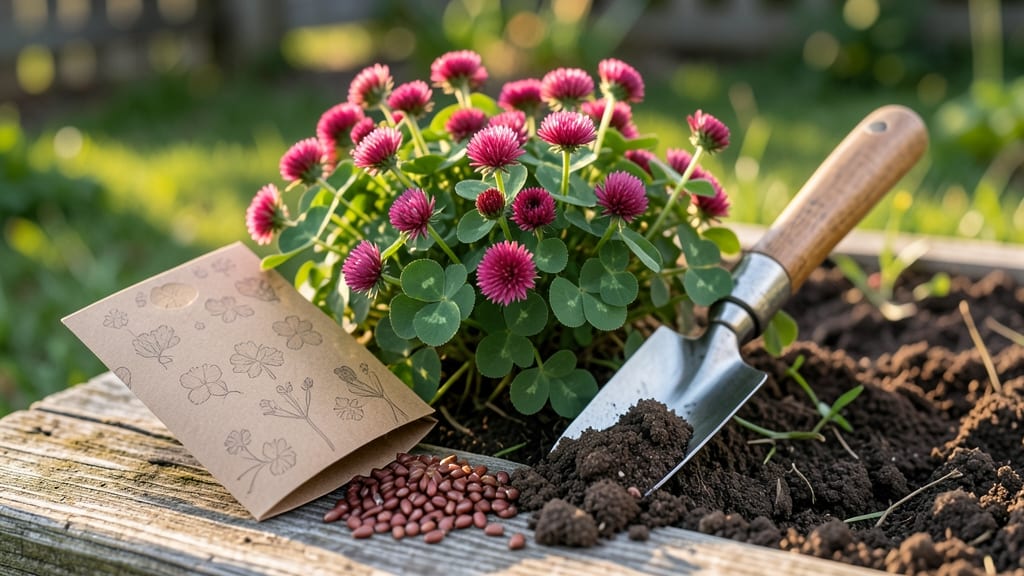
Planting crimson clover 🌸 at the right time in North Carolina can transform your soil health before winter—if you get the timing just right. The difference between fast germination and waiting weeks for roots to take hold often comes down to those critical weeks before your first frost.
For North Carolina gardeners in zones 6a-8b, the sweet spot is late summer to early fall—typically between August and October. This window ensures your clover establishes strong roots before winter dormancy, setting you up for a healthier garden next spring.
But here's the catch: planting too early means battling summer weeds, while waiting too long risks frost killing tender seedlings. I'll break down the exact weeks before your last frost date for each NC region, plus soil prep tips to give your crimson clover the best possible start.
Whether you're improving soil fertility or preparing for winter crops, these timing secrets will help you maximize growth and avoid common mistakes. Let's get your clover planted at the perfect moment.
North Carolina’s exact planting windows for crimson clover by region
North Carolina’s diverse climate—from the humid Coastal Plain to the cooler Mountains—means your crimson clover planting timing should match your specific USDA zone. I’ve broken down the ideal windows for each region to ensure your cover crop establishes before winter’s first frost.
The key? Planting 6-8 weeks before your average first frost date for best results.
For most of NC, this translates to late August through mid-October. However, microclimates in the Piedmont and Mountains may need adjustments. Let’s dive into the specifics so you can time your planting perfectly—no guesswork needed.
🌱Pro Tip: Use the NC State Extension’s frost date map (linked below) to pinpoint your exact location’s frost window. Even a 10-day difference can impact germination success.
| Region | USDA Zone | First Frost Date | Ideal Planting Window | Soil Temp Goal |
|---|---|---|---|---|
| Coastal Plain (e.g., Wilmington) | 8a-8b | Nov 15 - Dec 1 | Late Aug - Early Oct | 60°F+ |
| Piedmont (e.g., Raleigh, Greensboro) | 7a-7b | Nov 1 - Nov 15 | Mid-Aug - Late Sep | 60°F+ |
| Mountains (e.g., Asheville, Boone) | 6a-6b | Oct 15 - Nov 1 | Early Aug - Mid-Sep | 65°F+ (warmer needed) |
If you’re in the Coastal Plain, you’ve got a little more flexibility—planting as late as early October can still work if your soil stays warm. But in the Mountains, aim for early August to avoid cool soils slowing germination.
I’ve seen Mountain gardeners struggle with clover taking 3+ weeks to sprout when planted too late.
For all regions, soil temperature is your best friend. Crimson clover needs soil at 60°F or warmer to germinate reliably. Use a soil thermometer ($10 at garden centers) to check—if it’s below 60°F, wait a week or two. In the Piedmont, this often means holding off until mid-September.
🌿Regional Note: In Zone 8b (e.g., Fayetteville), you can plant a second crop in late winter (Feb-March) for a spring bloom, but this is riskier due to unpredictable late frosts.
Now, let’s talk about how to prep your soil for these planting windows. The right moisture and temperature combo is non-negotiable—especially in NC’s unpredictable fall weather. Stay tuned for my next section on soil readiness tests that’ll save you from wasted seed.
⏰Time-Sensitive: If you miss the fall window, spring planting is possible but less ideal. Crimson clover grows best when established before summer heat, so spring sowings often struggle with weed competition.
How soil temperature and moisture affect crimson clover germination in NC
Crimson clover (Trifolium incarnatum) thrives when planted in soil temperatures between 60°F and 75°F—critical for fast germination in North Carolina’s variable climate. Cooler soils slow growth, while heat above 80°F can stress seedlings before they establish.
Understanding these thresholds helps you time planting for optimal root development before winter sets in.
North Carolina’s three distinct regions (Coastal, Piedmont, Mountains) experience different soil warming patterns. Coastal areas warm faster in early fall, while mountain regions stay cooler longer. Testing soil temperature with a soil thermometer ensures you plant when conditions are ideal—typically late August to early September for most of the state.
Moisture is equally critical: consistent soil moisture (not soggy) triggers germination, while dry spells delay sprouting. Aim for 1 inch of water per week after planting, focusing on morning watering to prevent fungal risks. Mulching with straw or leaves retains moisture and regulates soil temperature.
If your crimson clover seeds take longer than 3 weeks to sprout, check these issues:
- Soil too cold (<60°F): Wait for warmer days or use a black plastic mulch to warm soil.
- Dry soil: Water deeply 2-3 times weekly until sprouts appear.
- Old seeds: Crimson clover loses viability after 2 years; use fresh seeds for best results.
For mountain regions (USDA Zones 6a-7a), plant 2-3 weeks later than Piedmont or Coastal areas. These zones often see earlier frosts, so delay until soil reaches 60°F consistently. Use a seed starter mix if sowing in cooler microclimates to jumpstart growth.
Once seedlings emerge, reduce watering to every 7-10 days—crimson clover is drought-tolerant once established. Overwatering can lead to root rot, especially in clay-heavy soils common in NC’s Piedmont.
Monitor for yellowing leaves, a sign of either overwatering or poor drainage. Amend heavy soils with compost to improve aeration.
Pro tip: Plant crimson clover after summer weeds (like crabgrass) are controlled but before late September, when days shorten and soil cools. This 6-8 week window ensures strong root growth before winter dormancy. For Coastal NC, extend planting to early October—warmer microclimates allow later sowing.
🌱