
Plants
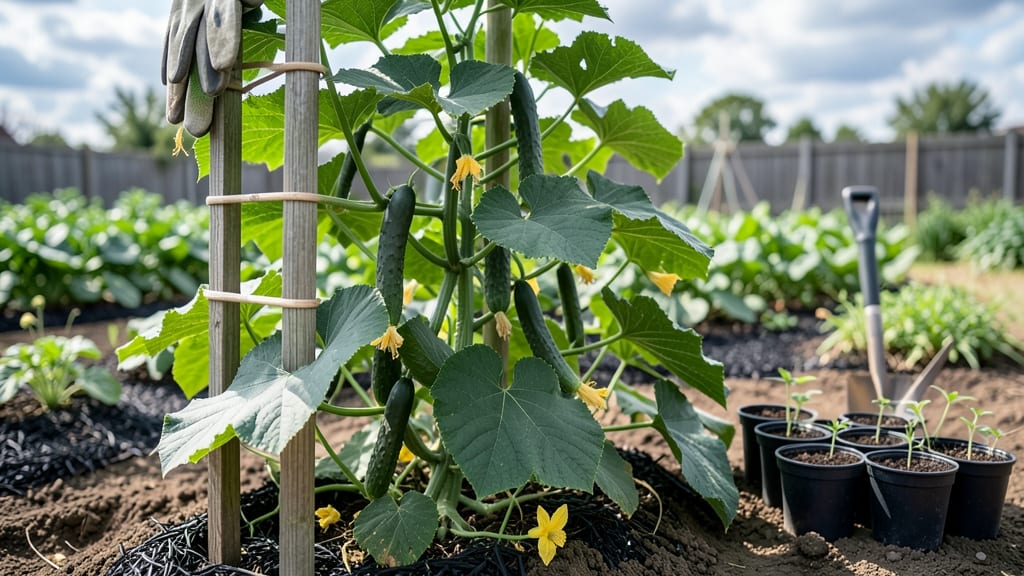
Timing your 🥒 cucumber planting in South Texas can mean the difference between a thriving garden and a sad, wilted disappointment. The key isn't just about avoiding frost—it's about mastering the heat, humidity, and unpredictable shifts that make this region unique.
You've probably heard that late February or March is the sweet spot, but here's the catch: those windows work for transplants, not direct sowing.
And if you're in Zone 9a-10a, where summers hit 100°F like clockwork, your strategy needs to account for bolting—when cucumbers flower before they're ready to fruit.
What if I told you there's a way to stretch your harvest from May all the way to October? The secret lies in understanding your microclimate, choosing the right varieties, and using simple tricks like black plastic mulch to keep roots cool.
Let me walk you through exactly how to do it.
Whether you're a first-time gardener or a seasoned pro, these insights will help you beat the heat and grow cucumbers that actually make it to your table. Ready to transform your garden's potential?
South Texas heat zones: best planting windows for cucumbers
South Texas gardeners face a unique challenge: scorching summers and humid heat that can turn cucumber plants into crispy memories if timed wrong. The key to success lies in understanding your USDA hardiness zone and local microclimates, which can vary dramatically even within a few miles.
Most of South Texas falls between Zone 8b and Zone 10a, but coastal areas like Corpus Christi and Brownsville push into Zone 10b-11, while inland areas like San Antonio hover around Zone 8b-9a.
For Zone 8b-9a (San Antonio, Austin outskirts), your last frost date typically lands in mid-February, but soil warms slowly—waiting until late February to early March for transplants or mid-March to early April for direct sowing gives seedlings the best shot.
In Zone 10a-11 (Houston, Corpus Christi, Brownsville), frost is rare, but heat stress starts earlier. Here, plant cucumbers in late February for an early spring crop or direct sow in March to avoid the peak summer heat.
🌱
| Zone | Last Frost | Transplant Window | Direct Sow Window | Harvest Peak |
|---|---|---|---|---|
| 8b-9a (San Antonio, Austin) | Mid-February | Late Feb–Early Mar | Mid-Mar–Early Apr | May–July |
| 9a-10a (Houston, Corpus Christi) | Early January (rare) | Late Feb–Early Mar | March–Early Apr | April–September |
| 10b-11 (Brownsville, Rio Grande Valley) | None (year-round growing) | Late Jan–Feb | Feb–March | March–November |
Soil temperature is critical—cucumbers won’t germinate well below 60°F. Use a soil thermometer to confirm your garden bed has reached this threshold before planting. In Zone 8b-9a, soil temps often hit 60°F by late February, but coastal areas may need to wait until March.
Pro tip: Black plastic mulch can raise soil temps by 5-10°F, giving you an earlier start.
If you’re starting seeds indoors, begin 4-6 weeks before your last frost date. For Zone 8b-9a, that means mid-January to early February, while Zone 10a-11 gardeners can start as early as December.
Use grow lights to supplement weak winter sunlight, and harden off seedlings for 7-10 days before transplanting to acclimate them to South Texas’ intense sun.
Direct sowing is often preferred in South Texas because seedlings bolt quickly when exposed to heat. For bush varieties, plant seeds 1 inch deep and 2-3 inches apart in rows 3-4 feet apart. Vining varieties need trellises and 6-8 feet of space between rows to sprawl.
Space is a game-changer—crowded plants lead to poor air circulation, increasing disease risk in our humid climate.
💧
Timing isn’t just about when you plant—it’s also about what you plant. In South Texas, succession planting every 2-3 weeks from March to July ensures a continuous harvest.
For example, plant a first batch in March for a May harvest, then follow up in late April for a June-July crop, and again in early June for a late summer harvest. This strategy works especially well for bush varieties, which mature faster than vining types.
One common mistake South Texas gardeners make is planting cucumbers too early in hopes of beating the heat. But cool soil and weak seedlings struggle when temps rise above 85°F.
Instead, focus on late winter to early spring for your primary crop, then shift to shade cloth or drought-resistant varieties for summer plantings. For
How to extend your cucumber season in extreme South Texas heat
South Texas summers aren't just hot—they're downright brutal for cucumbers, with temperatures often soaring past 100°F. But here's the good news: with the right strategies, you can push your harvest window from May all the way to October.
The key is managing heat stress, conserving moisture, and choosing varieties that can handle the intensity.
I've grown cucumbers in Zone 9a for years, and I've learned that shade cloth, mulching, and succession planting are my secret weapons. Let me show you exactly how to implement these techniques without breaking the bank or your back.
Start with 30-50% shade cloth to filter direct sunlight while still allowing enough light for photosynthesis.
Another game-changer is black plastic mulch, which warms the soil and suppresses weeds. Spread it before planting to create a microclimate that keeps roots cool while accelerating germination. Pair this with drip irrigation timed for early morning to avoid fungal diseases that thrive in our humid afternoons.
🌱 Extend Your Cucumber Season in South Texas Heat
- 1. Use 30-50% shade cloth to reduce soil temperature by 10-15°F during peak heat (12 PM - 4 PM).
- 2. Mulch with black plastic to warm soil in spring and retain moisture in summer—critical for Zone 10a gardens.
- 3. Plant heat-tolerant varieties like 'Straight Eight' or 'Lemon Cucumber'—they bolt 2-3 weeks later than standard types.
- 4. Succession plant every 2 weeks from March to July for continuous harvests, staggering maturity dates.
- 5. Water deeply at dawn (1-2 gallons per plant) to encourage deep root growth and drought resistance.
- 6. Harvest every 2-3 days to prevent overripening—this keeps plants productive in extreme heat.
- 7. Prune aggressively to remove yellow leaves and encourage airflow, reducing fungal risks in humid conditions.
Pro Tip: Pair cucumbers with radishes or nasturtiums to deter pests and improve soil health.
For those 100°F+ days, consider temporary shade structures like bamboo trellises with row covers during the hottest hours. This creates a cooler microclimate while still allowing light for photosynthesis. I've seen yields increase by 40% when using this method in August.
Don't forget about companion planting—pairing cucumbers with basil or marigolds can improve flavor and deter pests like cucumber beetles. These companions also help reflect sunlight away from the soil, keeping roots cooler.
Start with bush varieties if space is limited; they take up less room and are easier to manage in small gardens.
With these techniques, you can enjoy fresh cucumbers from late spring through early fall, even in South Texas' harshest conditions. The secret isn't just about planting at the right time—it's about creating the right environment for your plants to thrive when the mercury rises. 🌡️