
Plants
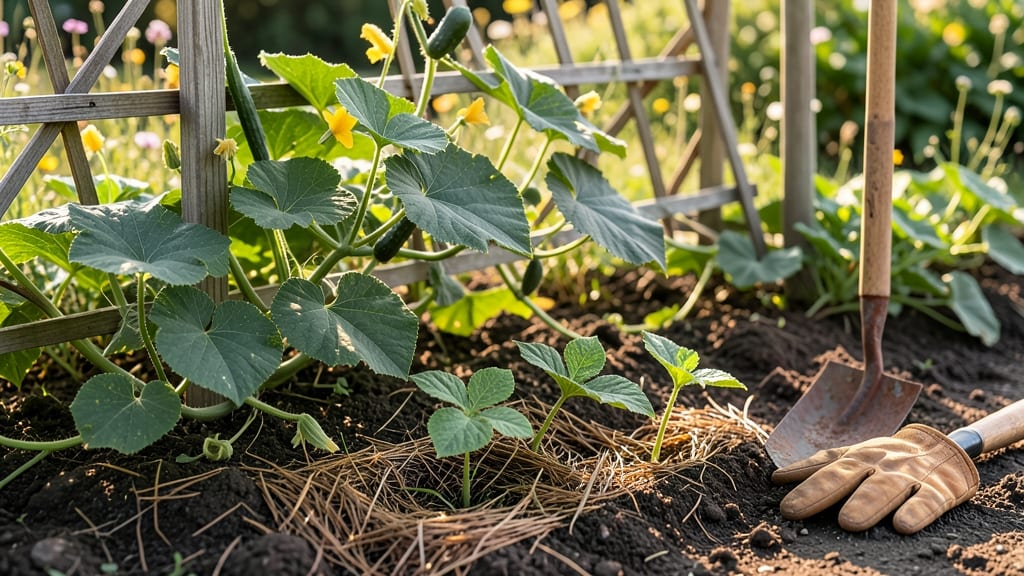
Timing your cucumber planting in West Virginia isn’t just about waiting for spring—it’s about outsmarting the region’s unpredictable shifts between frost and heat. One week too early, and your plants bolt before producing a single crisp fruit; one week late, and summer’s sweltering temperatures stress delicate vines.
The key lies in understanding your microclimate’s last frost dates and soil warmth, which can vary dramatically even within USDA Zone 6a.
Whether you’re in Charleston’s lowlands or Elkins’ highlands, knowing the exact windows to plant—like mid-April to early June for spring cucumbers or late July for a fall harvest—makes all the difference.
I’ll break down the science behind these timelines, so you can avoid common pitfalls like bolting and maximize your harvest from June through October.
You don’t need a green thumb to grow 🥒 cucumbers successfully in West Virginia, but you do need the right strategies. From soil preparation to variety selection, I’ll cover everything you need to turn your garden into a productive cucumber patch.
Let’s dive into the steps that’ll help you grow like a pro, no matter where you are in the state.
Ready to skip the guesswork? By the end of this guide, you’ll know exactly when to plant, how to prep your soil, and which varieties thrive in your specific corner of West Virginia. Let’s get those seeds in the ground at the perfect moment!
West Virginia’s ideal cucumber planting windows by microclimate Zone
West Virginia’s three distinct microclimates—lowland, mid-elevation, and highland—create wildly different planting windows for cucumbers. Lowland areas like Charleston enjoy earlier last frost dates (mid-April), while highland regions such as Elkins often wait until late May or early June. Ignoring these variations risks bolting or stunted growth.
Soil temperature is your true planting guide, not just frost dates. Cucumbers thrive when soil reaches 55°F+, but roots won’t establish below 60°F. Use a soil thermometer to confirm readiness—especially in highland zones where cooler nights delay warming.
For lowland WV (USDA Zone 6b-7a), aim to plant cucumbers April 20–May 10. This window captures 120+ frost-free days before the first frost (October 15). In mid-elevation areas (Morgantown, Zone 6a), shift your timeline to May 1–May 20 for optimal harvests.
Highland regions (Elkins, Zone 5b-6a) demand patience—plant May 20–June 5 to avoid late spring frosts. If you’re eager for a harvest, consider starting seeds indoors 3–4 weeks before your target date to give seedlings a head start.
| Microclimate Zone | Last Frost Date | Ideal Planting Window | Soil Temp Threshold | Frost-Free Days |
|---|---|---|---|---|
| Lowland (Charleston) | April 15–April 25 | April 20–May 10 | 60°F+ | 130–140 days |
| Mid-Elevation (Morgantown) | May 1–May 10 | May 1–May 20 | 58°F+ | 120–130 days |
| Highland (Elkins) | May 15–May 25 | May 20–June 5 | 62°F+ | 100–110 days |
Don’t overlook fall plantings for late-season harvests! In lowland areas, sow seeds July 15–August 1 for cucumbers ready by September–October. Highland gardeners can try late July plantings, but expect smaller yields due to shorter daylight.
Pro tip: Use black plastic mulch to warm soil faster in highland zones. This can shave off 1–2 weeks from your planting timeline by raising soil temps by 5–10°F. Just remove it once vines start running to prevent overheating.
If you’re unsure about your microclimate, check local frost data from the West Virginia State Climate Office. Their 10-year averages can help you fine-tune your planting schedule year after year.
For container growers, extend your season by 2–3 weeks. Pots warm up faster than soil, so you can plant 10–14 days earlier in lowland areas. Just ensure containers have drainage holes and use lightweight potting mix to avoid waterlogging.
Remember: Direct sowing is best for cucumbers—they hate transplant shock. If you start indoors, harden off seedlings for 7–10 days before moving them outside to match your zone’s planting window.
How to avoid cucumber bolting in West Virginia’s unpredictable spring
Cucumber bolting—when plants flower and fruit prematurely—is a common nightmare in West Virginia’s unpredictable spring. Cool nights followed by sudden heat waves trick cucumbers into thinking winter’s over, leaving you with bitter, seedy cucumbers instead of crisp, sweet ones.
The good news? With the right strategies, you can delay bolting by 2–4 weeks and maximize your harvest.
First, focus on soil warmth. Cucumbers need soil temps of 60°F+ to thrive, but cooler soil triggers bolting. Use a soil thermometer to monitor temps—if it’s below 55°F, delay planting or use black plastic mulch to raise temps by 5–10°F.
This simple trick can shift your planting window by 1–2 weeks in highland areas.
For highland gardeners (Elkins, Zone 5b-6a), consider starting seeds indoors 3–4 weeks before your target date. Harden off seedlings for 7–10 days before transplanting them into warmed soil. This gives you a head start and reduces the risk of bolting from slow soil warming.
Another key tactic? Choose bolting-resistant varieties like ‘Straight Eight’ or ‘Marketmore 76’. These types tolerate cooler temps better than standard slicing cucumbers. Pair them with row covers for the first 2 weeks to shield young plants from temperature swings.
Watering plays a critical role too. Inconsistent moisture stresses plants and speeds up bolting. Keep soil evenly moist (not soggy) by watering deeply every 1–2 days. Use drip irrigation or soaker hoses to avoid wetting leaves, which reduces disease pressure and keeps plants healthy longer.
If you notice yellowing leaves or premature flowers, act fast! Prune flower buds for the first 2 weeks to redirect energy into vine growth. This buys you time to warm the soil further and establish stronger roots before flowering.
Finally, monitor your local forecast like a hawk. West Virginia’s spring temperature swings can be extreme—one day 40°F, the next 80°F. Use a weather app with frost alerts to time your plantings around stable warm spells. Aim for 5+ consecutive days above 65°F before planting.