
Plants
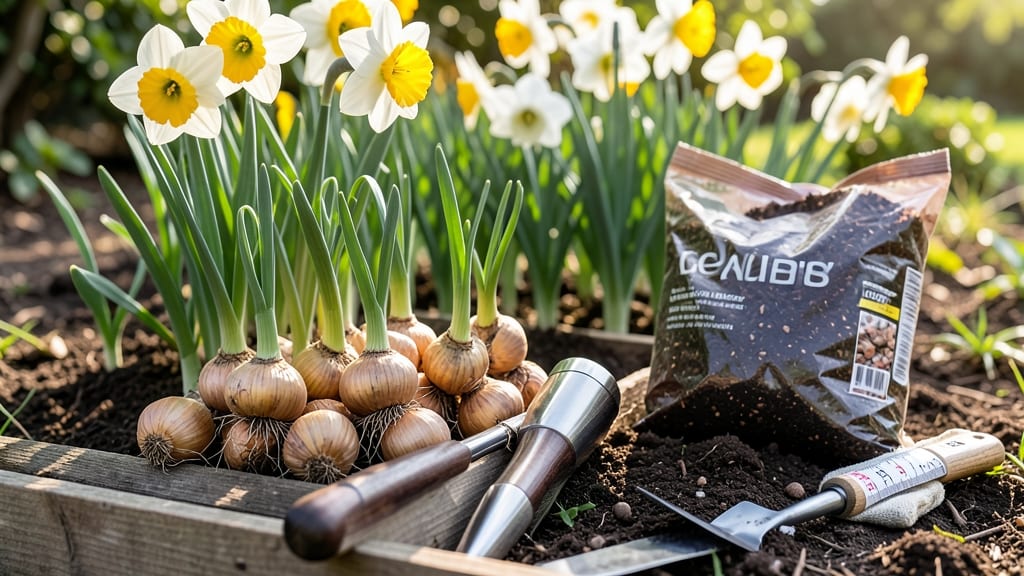
Planting daffodil bulbs at the wrong time in Indiana can mean the difference between vibrant spring blooms and a wasted investment.
The ideal window for planting these cheerful 🌼 perennials is narrow—get it right, and your garden will reward you with months of color; get it wrong, and you might end up with nothing but disappointment.
Most Indiana gardeners in USDA Zone 6a should aim to plant daffodil bulbs between October and November, when soil temperatures drop but before the ground freezes solid. This timing allows the bulbs to establish roots while still having enough time to toughen up before winter’s chill sets in.
But what if your fall schedule doesn’t align with these dates? Or if you’re dealing with unpredictable Indiana weather? The key is understanding how to adjust for your specific microclimate—whether you’re in northern Indiana’s cooler zones or southern Indiana’s slightly milder conditions.
I’ll break down exactly how to time your planting for success, no matter where you are in the state.
Ready to avoid frost damage and weak blooms? Let’s dive into the exact steps and adjustments you need to make this fall planting season a success—so you can enjoy those cheerful daffodils next spring without a second thought.
Indiana’s ideal daffodil bulb planting window: months and hardiness zones
Indiana’s USDA Zones 5–6 create a perfect window for planting daffodil bulbs—just 4–6 weeks before the ground freezes. This usually lands between mid-October and early November, but exact timing depends on your county’s first frost date.
Northern Indiana (Zones 5a–5b) needs earlier planting, while southern Indiana (Zone 6a) can stretch into late November.
For optimal root growth, aim for soil temperatures between 40–50°F. Use a soil thermometer to check—if temps drop below 35°F, bulbs risk frost damage before roots establish. Indiana’s average first frost falls around October 20, so count backward to schedule your planting.
Daffodil bulbs thrive when planted at 6–8 inches deep, with 3–4 inches of soil covering the top. This depth protects them from freeze-thaw cycles while allowing roots to grow downward. Use a bulb planter or trowel to dig holes—just be gentle to avoid puncturing the bulb’s base.
Here’s the golden rule: Plant daffodils when your lawnmower is still in use but cool evenings arrive. This balance ensures bulbs get 6–8 weeks of root growth before winter dormancy.
In northern Indiana, this might mean starting in late September, while southern Indiana gardeners can wait until mid-November.
| Factor | Indiana Specification | Action |
|---|---|---|
| USDA Zone | 5–6 | Check your county’s zone for exact timing |
| Planting Window | Mid-October–early November | Plant 4–6 weeks before first frost |
| Soil Temperature | 40–50°F | Use a soil thermometer to confirm |
| Planting Depth | 6–8 inches | Cover bulb with 3–4 inches of soil |
| Spacing | 6 inches apart | Prevents overcrowding and disease |
If you’re in Zone 5b (e.g., North Bend or South Bend), start planting by October 1 to avoid early frosts. For Zone 6a (e.g., Indianapolis or Evansville), you can push planting until November 15.
Always amend soil with compost before planting—daffodils prefer well-draining, slightly acidic soil (pH 6.0–7.0).
Pro tip: Plant daffodils after your summer annuals (like marigolds) have finished blooming. This gives you a clear view of the soil and ensures no leftover roots compete with your bulbs. Mulch lightly with straw or shredded leaves after planting to insulate bulbs and retain moisture during winter.
Spring planting is not recommended in Indiana—daffodil bulbs need 6–8 weeks of cool weather to establish roots.
If you miss the fall window, store bulbs in a cool, dark place (like a garage) and replant next fall. Never plant in summer, as heat stress will kill the bulbs before they can root.
For container gardening, plant bulbs in pots by late September and keep them in a shady spot until soil temps drop. Move containers to a garage or shed before winter, then return them to sunlight in early spring.
This method works well for balcony gardens in urban Indiana areas like Fort Wayne or Gary.
Remember: Daffodils are deer-resistant, making them a low-maintenance choice for Indiana gardens. Once planted correctly, they’ll return year after year, blooming earlier than tulips and defying frost with their hardy nature. Mark your calendar now—next fall’s planting window will be here before you know it! 🌼
Indiana’s ideal daffodil bulb planting window: months and hardiness zones
For Indiana gardeners, the perfect window to plant daffodil bulbs falls between mid-October and early November, aligning with USDA Zones 5b–6a. This timing ensures bulbs establish roots before the ground freezes—typically around October 20–November 10 in most of the state.
Planting too early (before September) risks rot, while waiting until December leaves bulbs vulnerable to winter frost without root development.
Daffodil bulbs thrive when soil temperatures drop to 50–60°F. In Indiana, this usually occurs in late October, making it the sweet spot for planting. Use a soil thermometer to confirm—if temps are still above 60°F, hold off until cooler weather arrives.
Pro tip: Aim for 4–6 weeks before your area’s first hard frost to give roots time to anchor.
Here’s how Indiana’s regional frost patterns break down:
- Northern Indiana (Zone 5b): Plant by October 15 to avoid early freezes.
- Central Indiana (Zone 6a): Safe window extends to November 1.
- Southern Indiana (Zone 6b): Can plant as late as November 10, but prioritize early November for best results.
| Factor | Indiana Zone 5b | Indiana Zone 6a | Indiana Zone 6b |
|---|---|---|---|
| Ideal Planting Month | Mid-October | Late October–Early November | Early–Mid November |
| Soil Temp Threshold | 50–60°F | 50–60°F | 50–60°F |
| Planting Depth | 6–8 inches | 6–8 inches | 6–8 inches |
| Last Safe Planting Date | October 15 | November 1 | November 10 |
Planting depth is critical: bury bulbs 6–8 inches deep, with the pointy end up. In sandy soil (common in northern Indiana), you can plant slightly deeper (8 inches), while clay-heavy soils in southern Indiana may need shallower planting (5–6 inches) to prevent waterlogging.
Always plant in well-draining soil—daffodils hate soggy roots.
If you’re in a microclimate (like a city garden with urban heat islands), you might push planting to early December, but only if the ground hasn’t frozen. Test with your finger: if soil feels firm and cold, it’s time to stop.
For rural areas with colder nights, stick to the October–November window to avoid frost damage.
Spring planting is not recommended in Indiana—daffodil bulbs need winter chilling to bloom. If you miss fall planting, store bulbs in a cool, dry place (like a paper bag in the fridge) until next year.
With the right timing, your daffodils will reward you with vibrant blooms by April, brightening up Indiana’s often chilly springs.