
Plants
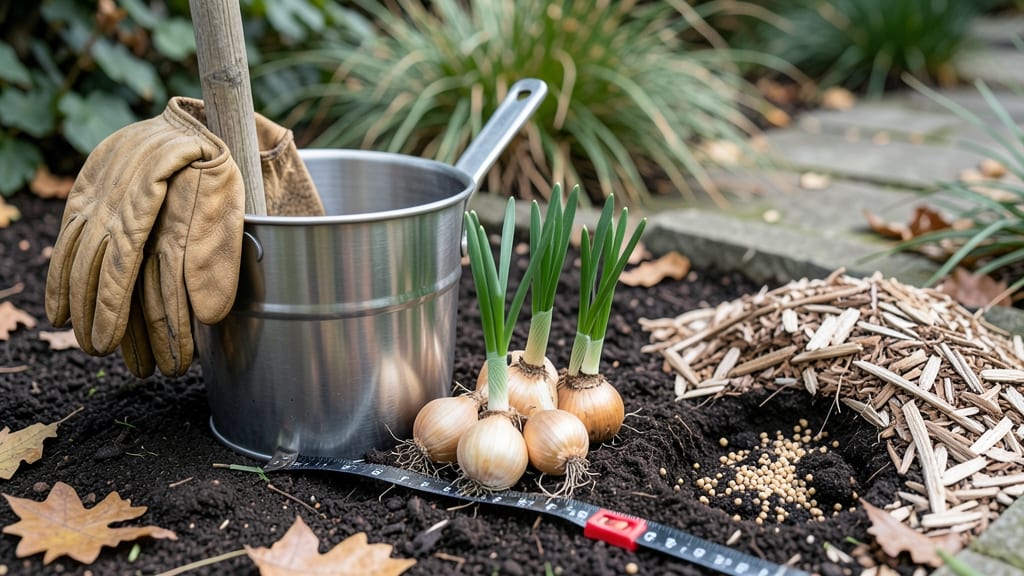
Planting daffodils in Massachusetts isn’t just about sticking bulbs in the ground—it’s about timing them perfectly to survive our 6a zone winters and deliver those cheerful 🌼 blooms come spring.
Get it wrong, and you’ll end up with rotting bulbs or weak growth. But nail it, and you’ll have vibrant flowers breaking through snow within months.
Here’s the secret: Massachusetts gardeners have a 6-week window—from late September to mid-November—to plant daffodils. This timing ensures bulbs establish roots before the ground freezes, giving them the best shot at thriving. Whether you’re in Boston, Worcester, or Cape Cod, knowing exactly when to plant makes all the difference.
Why does this matter? Because daffodils planted too early may rot in soggy soil, while those planted too late won’t root deeply enough before winter. The key is balancing soil temperature, frost dates, and local microclimates.
I’ll show you how to adjust for Massachusetts’ unpredictable weather—so you can confidently plant and enjoy those bright spring blooms.
Ready to transform your yard? Let’s dive into the exact steps to plant daffodils at the perfect time, including soil prep tips and how to handle late falls or early freezes. Your future spring garden starts now.
Optimal fall planting window for daffodils in Massachusetts
Massachusetts’ cool climate and variable frost dates make timing everything for daffodil success. The ideal window is 6-8 weeks before ground freeze, typically late September to mid-November. This gives bulbs time to root while avoiding winter’s harsh conditions.
For most of USDA Zone 6a (covering Boston, Worcester, and Springfield), aim for mid-October—when soil temps drop to 50-60°F.
Cape Cod and coastal areas (Zone 7a) can plant slightly later—early November—thanks to milder winters. Inland regions like Western Massachusetts may need to plant by late October due to earlier frosts. Always check your local frost date (usually October 20 in most areas) and adjust accordingly.
Here’s the golden rule: Plant when soil temps are below 60°F but above freezing. Use a soil thermometer to verify—this prevents rot while allowing root growth. In 2023, early freezes in September forced many gardeners to plant by late August.
| Region | Best Planting Window | Soil Temp Goal | Key Landmark |
|---|---|---|---|
| Boston/Worcester | Late Sept - Mid Oct | 50-60°F | After Labor Day |
| Cape Cod | Early Oct - Early Nov | 55-65°F | After Columbus Day |
| Western MA (Pittsfield) | Late Sept - Early Oct | 45-55°F | Before Thanksgiving |
🌼 Pro Tip: Use mulch (straw or leaves) after planting to insulate bulbs from temperature swings.
If you miss the window, don’t panic! Daffodils can handle late fall or even early spring planting, though blooms may be delayed. For spring planting, wait until March when soil is workable but avoid planting after April 1—bulbs need 6-8 weeks to root before summer heat.
For container gardening, plant 2-3 weeks earlier than in-ground bulbs. Containers heat up faster and dry out quicker, so bulbs need extra time to establish. Use well-draining potting mix with perlite to prevent rot in Massachusetts’ wet springs.
Local nurseries like Wayland’s Garden Center (Boston area) and Stonehurst Nursery (Worcester) often sell pre-chilled bulbs in late October, perfect for last-minute planters. These bulbs are already vernalized (exposed to cold), so they’ll bloom faster in your garden.
Remember: Daffodils are hardy but not invincible. Planting too late risks shallow roots, while planting too early can lead to premature sprouting and frost damage. Aim for that sweet spot—60°F soil and counting down to frost—for show-stopping blooms next spring.
Once planted, water deeply once and let nature take over. The cold winter will do the rest—your daffodils will thrive and return year after year with minimal effort. 🌱
Optimal fall planting window for daffodils in Massachusetts
Massachusetts’ USDA Hardiness Zones 5-7 create a 6-week planting window for daffodils—typically from late September to mid-November. This timing ensures bulbs establish roots before the ground freezes, typically around October 20 in most regions.
In Boston, aim for mid-October planting, while Cape Cod gardeners should plant by early November due to cooler coastal temperatures.
Soil temperature is your best guide: plant when it drops to 50-60°F. Use a soil thermometer to check—this usually aligns with late September in inland areas like Worcester and early October in coastal zones. The goal is to give roots 6-8 weeks to grow before winter dormancy begins.
Regional adjustments matter! In Zone 6a (most of MA), plant between October 1-15. For Zone 7a (southern MA), stretch your window to November 1. Always plant 4-6 weeks before the first hard frost—check your local Almanac frost dates for precision.
| Region | Best Planting Time | Soil Temp | Key Notes |
|---|---|---|---|
| Boston | Mid-October | 50-55°F | Urban heat islands may delay frost |
| Worcester | Late September | 55-60°F | Cooler inland temps speed root growth |
| Cape Cod | Early November | 45-50°F | Salty air extends frost-free window |
Pro tip: Late October is ideal for bulb pre-chilling if you’re planting near frost dates. Store bulbs in a cool, dark place (like a garage) for 4-6 weeks to mimic winter conditions. This trick works wonders for late-season plantings in Zone 6a.
Remember: Daffodils thrive when planted in well-draining soil with 6+ hours of sun. Amend heavy clay soil with compost or sand to prevent rot. Plant bulbs 6 inches deep and 6 inches apart for optimal spacing—this ensures vibrant blooms next spring.
Don’t wait until November 15 or later—your bulbs won’t have enough time to root before the ground freezes. If you miss the window, hold off until early spring (March-April) for a second chance, but expect smaller blooms the first year.