Plants
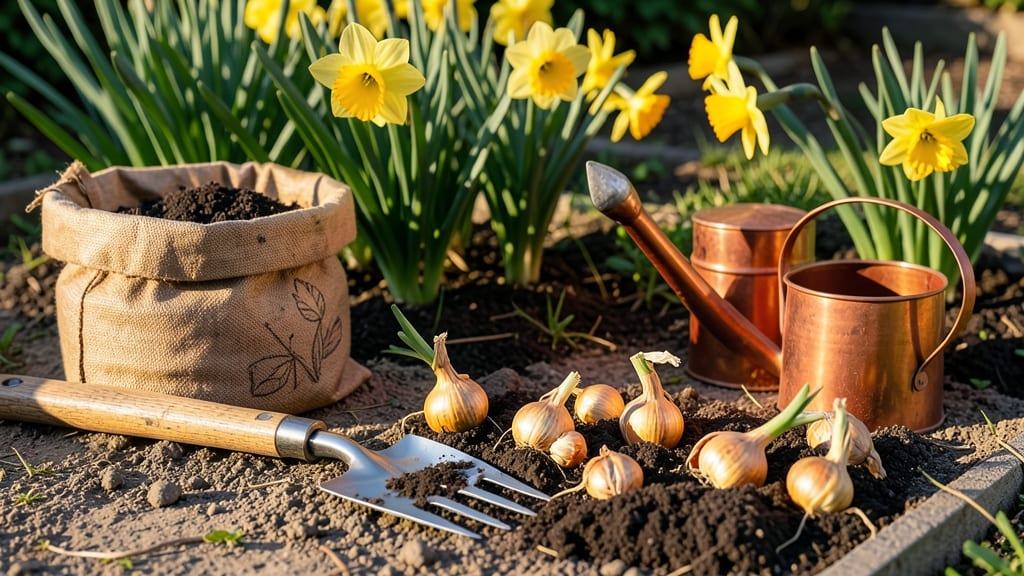
Planting daffodils in Portland, Oregon, at the wrong time can mean the difference between vibrant spring blooms and a disappointing flop. The key to success lies in understanding the perfect planting window—typically between October and November—when soil temperatures drop but before the ground freezes solid.
Portland’s Zone 8a climate gives you a narrow but critical window to get those bulbs in the ground. If you plant too early, they might sprout prematurely and bolt, while waiting too late risks weak roots before winter sets in.
I’ll show you exactly how to time it right, plus the soil prep tricks that make all the difference.
Why does timing matter so much? Because daffodils need a period of cold dormancy to bloom properly. In Portland, where winters can be mild but unpredictable, getting this balance is everything. You’ll also discover which varieties thrive best in your area and how to protect them from Portland’s rainy winters.
Ready to ensure your daffodils bloom like clockwork next spring? Let’s break down the exact steps—from soil temperature checks to bulb selection—to guarantee zero bolting and maximum beauty. Your garden’s spring color palette starts with this one decision.
Portland’s ideal daffodil planting window: months and soil temp secrets
Portland’s USDA Zone 8a climate demands precision when planting daffodil bulbs. The 6-8 week window before your first frost (typically mid-October to mid-November) is critical for zero bolting risk.
Plant too early, and bulbs may sprout prematurely; too late, and they won’t establish roots before winter. My secret? Soil temperature—aim for 40-50°F at planting time.
Urban Portland gardens often face microclimate challenges like heat islands or wetter soil near the Willamette River. Rural areas may experience earlier frosts. Use these local cues: plant when daytime highs drop below 70°F consistently, and 6-8 weeks before ground freezes.
For me, that’s usually late October, but I always check the Portland Weather Service frost forecast.
Daffodils need chilling time to bloom properly. Bulbs planted in September may bolt early if soil stays warm. Wait until October for most varieties, but early bloomers like ‘Tête-à-Tête’ can handle September planting in cooler microclimates.
I’ve found that planting in November works too—just ensure soil temps stay above 40°F for root growth.
Here’s my Portland-specific planting timeline to avoid bolting:
| Stage | Action | Soil Temp | Portland Timeframe |
|---|---|---|---|
| Bulb Purchase | Buy firm, dry bulbs from local nurseries (e.g., Portland Nursery) | N/A | September-October |
| Soil Prep | Loosen soil, mix in compost, and add bone meal (3 tbsp/sq ft) | 60-70°F | Late September |
| Planting | Plant bulbs 6-8 inches deep, 3x their height, 4-6 inches apart | 40-50°F | October-November |
| Post-Planting | Water deeply, then reduce watering until spring | Below 40°F | After planting |
| Bloom Time | Enjoy March-May flowers with proper chilling | N/A | Spring (varies by variety) |
For Portland’s wet winters, I always add a 2-inch mulch layer of straw or shredded leaves after planting. This keeps soil temps stable and prevents rot from excess moisture. Urban gardeners near heat islands (like downtown) might plant 1-2 weeks later to avoid premature sprouting.
Pro tip: Use a soil thermometer to confirm temps. I plant mine when soil hits 50°F at 6 inches deep.
If you’re unsure, err on the later side—daffodils planted in November still thrive in Portland’s climate, as long as they’re in the ground before hard frosts (usually by November 15).
Remember, bolting (premature flowering) is your biggest enemy. It happens when bulbs get too much warmth before chilling. To prevent it, avoid planting in September unless you’re in a cooler microclimate (like the West Hills), and always plant at the correct depth. Shallow planting = bolting risk.
Last year, I planted a batch in early October and another in mid-November. The October batch bloomed 2 weeks earlier but had fewer flowers—a classic sign of bolting stress. The November batch produced stronger stems and more blooms. Lesson learned: Timing matters more than rushing!
For Portland’s Zone 8a, I recommend sticking to October-November planting. If you’re in a warmer microclimate (like Beaverton), push to November. If you’re in a cooler area (like Mount Hood foothills), you can plant as early as September.
Always adjust based on soil temp, not just the calendar.
Now that you’ve got the perfect planting window, your daffodils are set for zero bolting and vibrant spring blooms. Next, let’s tackle 3 critical steps to keep them thriving—starting with bulb selection and soil moisture strategies tailored to Portland’s rainy winters. 🌼
How to avoid bolting: 3 critical steps for Portland gardeners
Daffodils in Portland are notorious for premature bolting—those unsightly flower spikes that shoot up in winter instead of spring. To prevent this, I’ve learned that timing, depth, and soil moisture are the three critical factors.
Portland’s wet winters and mild frosts create the perfect storm for bolting if you’re not careful.
First, choose late-blooming varieties like ‘Gladiator’ or ‘Ice Follies’—they’re less likely to bolt in our unpredictable climate. These varieties need that extra chill time to stay dormant until spring. I always check the USDA Zone 8b guidelines to match the right daffodil to Portland’s 15°F winter lows.
Next, plant your bulbs at the correct depth (6-8 inches) and space them 4-6 inches apart. Too shallow, and they’ll bolt; too deep, and they’ll struggle to emerge.
I use a bulb planter to ensure consistency, especially in heavy Portland clay soils. A little extra effort here saves heartache later!
🌱 3 Critical Steps to Avoid Bolting
- ✅ Pick late-blooming varieties (e.g., ‘Gladiator’) for Portland’s mild winters.
- ✅ Plant bulbs 6-8 inches deep in well-draining soil to prevent premature sprouting.
- ✅ Monitor soil moisture—too wet in winter can trigger bolting; mulch to regulate.
Soil moisture is where Portland gardeners often slip up. Our rainy winters can make the ground soggy, which tricks bulbs into thinking it’s spring. I always mulch with straw after planting to keep moisture levels steady. Avoid watering during dormancy—let nature handle it!
One mistake I see often is planting too late in fall. If you wait until December, your daffodils might not get enough chill time before Portland’s first frost (Nov 15). Aim for October-November when soil temps hit 40-50°F. Use a soil thermometer to check—it’s a game-changer!
Finally, resist the urge to fertilize in fall. Daffodils need dormancy to store energy for spring blooms. I hold off until early March when the first green shoots appear. A light 10-10-10 fertilizer at this stage gives them the boost they need without risking bolting.