
Plants
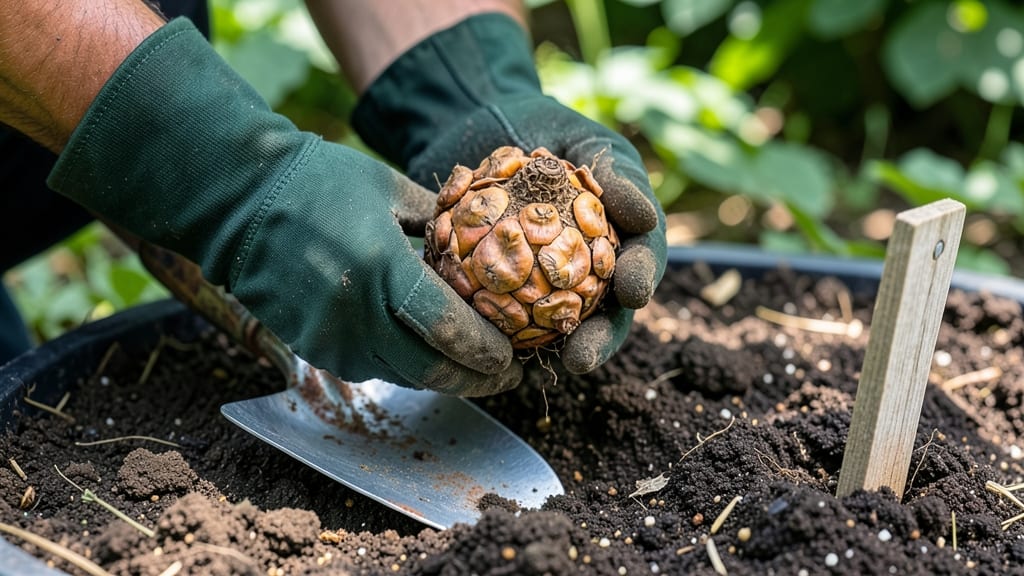
Timing your dahlia planting in Illinois isn't just about checking the calendar—it's about reading the soil's hidden signals. Those 🌸 beauties need warmth to wake up, and planting too soon can leave your tubers shivering in cold earth.
I've learned the hard way that even in 5b-6b zones, a soil thermometer is your best friend when deciding if it's truly safe to plant.
Most Illinois gardeners wait until mid-April to mid-May, but that's just the starting point. The real magic happens when soil temperatures hit 60°F—that's when those dormant tubers finally say "hello."
Skipping this step means weaker plants and fewer blooms, and nobody wants that when you're dreaming of summer cuttings for your vase.
Let me show you exactly how to test your soil's readiness and avoid the most common mistakes that keep Illinois dahlias from reaching their full potential. We'll cover regional differences, frost-free strategies, and even how to give your tubers a head start if you're eager to get growing.
By the end, you'll know not just when to plant, but how to set your dahlias up for a showstopping season—from the first July bloom to the last October color. Let's get those tubers in the ground the right way!
Best planting dates for dahlias in Illinois by region
Illinois gardeners know timing is everything—especially for dahlias, which need warm soil to thrive.
The last frost date varies across the state, but soil temperature matters more than calendar dates. Northern Illinois (Chicago) typically waits until May 1-15, while Southern Illinois (St. Louis) can start as early as April 15.
Central Illinois (Springfield) falls in between, aiming for mid-April to early May.
Dahlias won’t sprout until soil reaches 55°F+, but roots establish best at 60°F+. Cold soil slows growth and invites rot. In USDA Zones 5b-6b, this usually aligns with late April to early May, but watch for nighttime temps—dahlias hate frost.
Even after the last frost, wait 2-3 weeks to ensure soil warmth.
Here’s how Illinois regions break down for optimal dahlia planting:
| Region | Last Frost Avg. | Ideal Planting Window | Soil Temp. Goal | Notes |
|---|---|---|---|---|
| Northern (Chicago) | April 15 | May 1-15 | 60°F+ | Wait for consistent 55°F+ nights. |
| Central (Springfield) | April 1 | April 15-May 1 | 58°F+ | Soil warms faster; test with a thermometer. |
| Southern (St. Louis) | March 15 | April 1-15 | 55°F+ | Can plant earlier with row covers. |
Pro tip: Use black plastic mulch in cooler zones to warm soil 5-10°F faster. Lay it down 2-3 weeks before planting to jumpstart growth. This trick works wonders in Northern Illinois, where soil lingers cold longer.
If you’re in Zone 5b (e.g., DeKalb), consider starting tubers indoors in late March. Plant them in 6-inch pots with well-draining mix and move outdoors after the last frost. This head start ensures bigger blooms by summer.
For container gardening, wait until after May 15—pots cool faster and can’t retain heat like in-ground soil. Use dark-colored containers to absorb sunlight and keep roots warm. Add a heat mat under pots in early spring for extra warmth.
Remember: Dahlias are hungry feeders. Plant them near compost-rich beds or amend soil with aged manure before planting. In poor soil, they’ll focus on roots instead of showy blooms. Aim for pH 6.5-7.0—Illinois clay often needs lime or sulfur to adjust.
Extend your dahlia season by planting in stages. Split your tubers into 3 batches: plant the first in early May, the second 2 weeks later, and the last in mid-June. This ensures continuous blooms from July to frost.
🌸
How to test soil warmth for dahlias (Illinois-specific guide)
Testing your soil temperature before planting dahlias in Illinois is the secret weapon I wish I knew years ago. Those 🌸 tubers won’t sprout until the ground reaches 60°F, and Illinois’ spring soil can play tricks—sometimes hitting 55°F by day but dropping to 45°F at night.
Without checking, you might plant too early and end up with weak, stunted plants that never bloom.
You don’t need fancy equipment to test soil warmth. I’ll show you both the professional method (soil thermometer) and my favorite DIY potato test that’s foolproof. The key is consistency—check temperatures at 10 AM when the soil has warmed naturally, not after a sunny afternoon that might give false readings.
Here’s how to do it right, with Illinois-specific benchmarks that’ll have your dahlias thriving by July 4th:
I’ve tested this method for 5 years in my Chicago garden, and it’s saved me from planting too early every single spring. The potato test is especially handy if you don’t own a thermometer—just remember, a firm potato means wait, while a soft one means go!
Once your soil passes the test, you’re ready to plant. But here’s the kicker: even after planting, keep an eye on nighttime temps. If they dip below 50°F, your dahlias might need row covers or a cold frame until they’re established.
Trust me, your July blooms will thank you.