
Plants
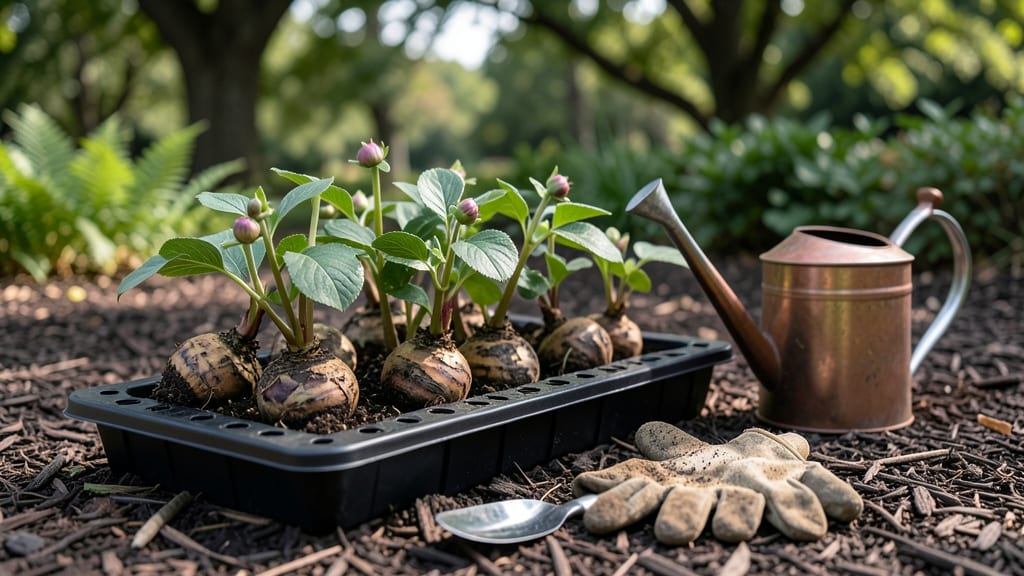
Timing your dahlia planting in Southern California could mean the difference between a garden bursting with 🌸 blooms and struggling tubers that never make it past the heat.
Unlike cooler climates, our 9b-10a zone demands precision—plant too early, and your dahlias will roast before they sprout; too late, and you miss peak bloom season.
Most gardeners here aim for late February to early March, but the real secret lies in soil temperature and microclimates. Coastal areas can handle slightly earlier plantings, while inland zones need to wait until the ground warms consistently above 60°F.
I’ll break down exactly when to start tubers indoors versus direct planting outdoors to maximize your chances of success.
What you’ll discover isn’t just about months—it’s about reading your local weather patterns. We’ll cover how to prep your soil, choose heat-resistant varieties, and avoid the 3 biggest mistakes that turn Southern California’s summer sun into a death sentence for dahlias.
Ready to grow a garden that thrives in the heat?
The key to stunning dahlias in our climate isn’t luck—it’s strategy. With the right timing and care, you’ll enjoy summer-to-fall blooms that outshine even the most challenging weather. Let’s get your dahlias off to the perfect start.
Best months to plant dahlias in Southern California’s climate zones
Southern California’s frost-free year-round climate means dahlias can thrive with the right timing—but don’t let the mild winters fool you. Planting too early exposes tubers to unpredictable coastal fog and soil moisture fluctuations, while waiting too long risks summer heat stress before roots establish.
The sweet spot? Mid-February to early April, adjusted for your microclimate.
Coastal areas like Santa Barbara and San Diego can start as early as late January when soil temps hit 60°F+, while inland desert regions (e.g., Palm Springs) should wait until March or April to avoid 100°F+ soil that cooks tubers.
Even a 2-week difference can mean the difference between lush blooms and wilted stems.
Here’s the non-negotiable rule: Dahlias need 60 days of warm soil before summer heat peaks. Inland areas hit 90°F+ soil temps by June—plant tubers 8-10 weeks before to give roots time to anchor. Coastal zones have 2-4 extra weeks of buffer thanks to ocean breezes.
Pro tip: Use a soil thermometer ($10 at garden centers) to confirm temps. Stick it 4 inches deep—that’s where your tubers will live. If it reads below 60°F, wait 1-2 weeks or use black plastic mulch to warm the soil faster.
I’ve seen tubers rot in 55°F soil even in March!
For container gardening, shift your window 2 weeks later. Pots heat up 10-15°F faster than ground soil, so aim for early April in inland areas. Use terracotta pots (they breathe better) and add perlite to potting mix to prevent compaction.
Don’t overlook moon planting phases—while not scientific, many Southern CA gardeners swear by planting during a waxing moon for faster root establishment. Check lunar calendars for March’s waxing gibbous (March 10–15) as an ideal window.
After planting, shade cloth (30-50%) for the first 2 weeks protects tender shoots from sudden heat spikes. Remove it gradually to harden off plants. I’ve lost entire batches of dahlias by skipping this step—don’t make my mistake!
Remember: Late May plantings can still work if you use heat-tolerant varieties (like ‘Thomas Edison’) and drip irrigation to keep roots cool. But expect smaller blooms and less vigor compared to early-season plantings.
🌱
Best months to plant dahlias in Southern California’s climate zones
Southern California’s microclimates create unique challenges for dahlias—coastal areas stay cooler longer, while inland zones hit 90°F+ by May. The key is planting when soil temps hit 60°F+ and tubers can establish roots before summer’s brutal heat peaks.
For most of USDA Zones 9b-10a, this means late February to early April.
Inland regions like the Inland Empire or San Fernando Valley should aim for February-March planting, while coastal areas (e.g., Malibu, San Diego) can wait until March-April thanks to milder nights. Even a 2-week delay can mean the difference between thriving blooms and wilted tubers.
| Zone | Ideal Planting Window | Soil Temp Threshold | Key Consideration |
|---|---|---|---|
| Coastal (Zone 10a) | March 15 – April 15 | 60–65°F | Humidity delays drying; watch for slugs. |
| Inland (Zone 9b) | February 15 – March 30 | 65–70°F | Dry heat; mulch heavily to retain moisture. |
| Desert (Zone 10a) | January 1 – February 15 | 55–60°F | Plant earlier to avoid 100°F+ summers. |
Pro tip: Use a soil thermometer to confirm readiness—tubers rot if planted in cold, wet soil. In clay-heavy soils (common in LA), amend with compost to improve drainage. For container gardening, plant 2 weeks earlier since pots heat up faster.
Missed the window? You can still plant heat-resistant varieties in May, but expect slower growth. Pair late plantings with shade cloth (30%) during peak afternoon sun to give roots time to catch up. Just avoid planting after June 1st—tubers won’t survive summer’s intensity.
Once planted, focus on consistent watering (deep soaks every 2–3 days) and staking tall varieties. Mulch with 3–4 inches of straw to lock in moisture and protect roots from temperature swings. With the right timing, your dahlias will reward you with blooms from July through October.
For a second flush of blooms, deadhead spent flowers and fertilize lightly in September. Just remember: Dahlias are not frost-tolerant, but in Southern California, you’ll rarely face that threat—unless you’re in the mountains near Big Bear, where temps can dip below 32°F in winter.