
Plants
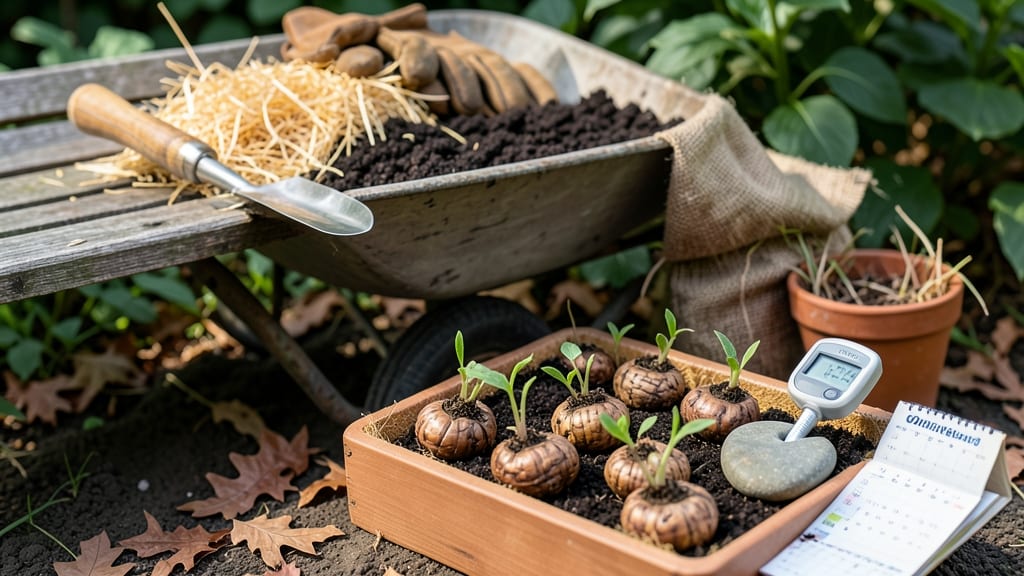
When to plant dahlias in Tennessee is the secret to zero-frost blooms that steal the show from July through October. Plant too early, and chilly nights can stunt those vibrant 🌸 tubers before they even sprout. But get it right—after that last frost in USDA zones 6a-7b—and you’ll be rewarded with lush, continuous color all season long.
Most Tennessee gardeners know the general rule: wait until the soil warms to at least 60°F and the danger of frost has passed.
That typically lands between April 15 and May 30, but your exact window depends on whether you’re in Nashville’s urban heat islands or the cooler highlands near the Smokies. Even a week too soon can leave your dahlias struggling, while waiting too long might cut your bloom time short.
Here’s what I’ve learned from years of testing in Tennessee’s varied microclimates: the key isn’t just the calendar date—it’s reading the soil and sky. A simple soil thermometer and checking local frost forecasts can save you from costly mistakes.
Let me walk you through the exact steps to time your planting for maximum impact, including how to prep your soil and choose the right varieties for your corner of the state.
Whether you’re a first-time dahlia grower or a seasoned pro looking to extend your blooms, these insights will help you avoid common pitfalls. By the end, you’ll know exactly when to dig those tubers in—so you can spend more time admiring your garden and less time troubleshooting.
Tennessee last frost dates & ideal soil temperature for dahlias
Tennessee’s varied climate means last frost dates can shift dramatically from Memphis (Zone 7b) to the Great Smoky Mountains (Zone 6a). For dahlias, this translates to a 2-3 week window between regions where you can safely plant tubers.
Understanding these microclimates is key to avoiding frost damage while maximizing bloom time.
Dahlias thrive when soil temperatures reach a consistent 60°F (15°C). In Tennessee, this typically aligns with late April to early May, but high-altitude areas like Clingmans Dome may need to wait until mid-May. Using a soil thermometer ensures you plant when roots can establish without stress.
Here’s how Tennessee’s major regions compare for dahlia planting:
| Region | Avg. Last Frost | Ideal Planting Window | Soil Temp Goal | Notes |
|---|---|---|---|---|
| West Tennessee (Memphis, Jackson) | April 15 | April 20–May 1 | 60°F+ | Warmest zone; earliest blooms |
| Middle Tennessee (Nashville, Chattanooga) | April 25 | May 1–10 | 60°F+ | Moderate risk of late frost |
| East Tennessee (Knoxville, Great Smoky Mtns) | May 5 | May 15–25 | 60°F+ | Highest altitude; latest planting |
*Adjust for 3-5°F colder microclimates in valleys or warmer urban heat islands.
If you’re in Zone 6a, like parts of East Tennessee, consider starting tubers indoors in late March to get a head start. Use biodegradable pots to transplant seedlings after the last frost, reducing shock.
For soil preparation, dahlias demand well-draining, nutrient-rich soil. Amend heavy clay soils with compost or sand to prevent rot. A pH of 6.0–7.0 is ideal, so test your soil before planting. In Memphis’ clay-heavy soils, raised beds can be a game-changer for tuber health.
Pro tip: Mulch heavily after planting to maintain soil warmth and moisture. Straw or shredded leaves work well, but avoid fresh grass clippings, which can mat and suffocate roots.
Monitor your local National Weather Service alerts for late frosts, especially in May. Even a 28°F (–2°C) dip can damage emerging shoots, so have frost cloth ready for overnight protection.
Once soil temps hit 60°F consistently, dahlias will reward you with vigorous growth. In West Tennessee, expect blooms by July 4th, while East Tennessee gardeners may see first flowers in early August. The wait is worth it for those showstopping blooms! 🌸
Tennessee last frost dates & ideal soil temperature for dahlias
Dahlias thrive in Tennessee’s warm springs, but planting them too early risks frost damage. The key to success lies in understanding your USDA zones (6a-7b) and waiting for soil temperatures to reach at least 60°F.
In most of Tennessee, this typically aligns with mid-April to early May, but mountain regions like the Great Smoky Mountains may need to wait until late May.
Your last frost date is the critical benchmark. Nashville usually sees its last frost around April 15, while Chattanooga averages April 20. Memphis, with its milder climate, often hits April 10.
Always check local weather forecasts or use the National Weather Service frost prediction tools for precise timing.
Soil temperature matters just as much as air temperature. Dahlias won’t sprout until the soil warms to 60°F (15.5°C). Use a soil thermometer to verify—planting in cooler soil can lead to rot or delayed growth. In cooler microclimates, consider using black plastic mulch to warm the soil faster.
🌱 Tennessee Dahlia Planting Guide by Region
| Region | Avg. Last Frost | Ideal Planting Window | Soil Temp Requirement |
|---|---|---|---|
| West Tennessee (Memphis) | April 10 | April 15 - May 1 | 60°F+ |
| Middle Tennessee (Nashville) | April 15 | April 20 - May 10 | 60°F+ |
| East Tennessee (Chattanooga) | April 20 | April 25 - May 15 | 60°F+ |
| High Altitude (Smokies) | May 5 | May 10 - May 25 | 60°F+ |
*Adjust dates 1-2 weeks earlier in sheltered microclimates or with row covers.
If you’re eager to start earlier, consider container gardening. Pots warm up faster and can be moved to protected locations if frost threatens. Just ensure your containers have drainage holes to prevent rot—dahlias hate soggy roots.
Pro tip: Test your soil’s readiness by placing a thermometer in the ground at a depth of 4-6 inches (where you’ll plant). If it reads below 60°F, wait a few more days. Patience now prevents problems later, like stunted growth or fungal issues.
For gardeners in Zone 6a (like the Smokies), extend your season by choosing cold-hardy varieties like ‘Café au Lait’ or ‘Bishop’. These tolerate cooler soils better than tropical types. Pair this with a thick mulch layer to insulate roots from late frosts.