
Plants
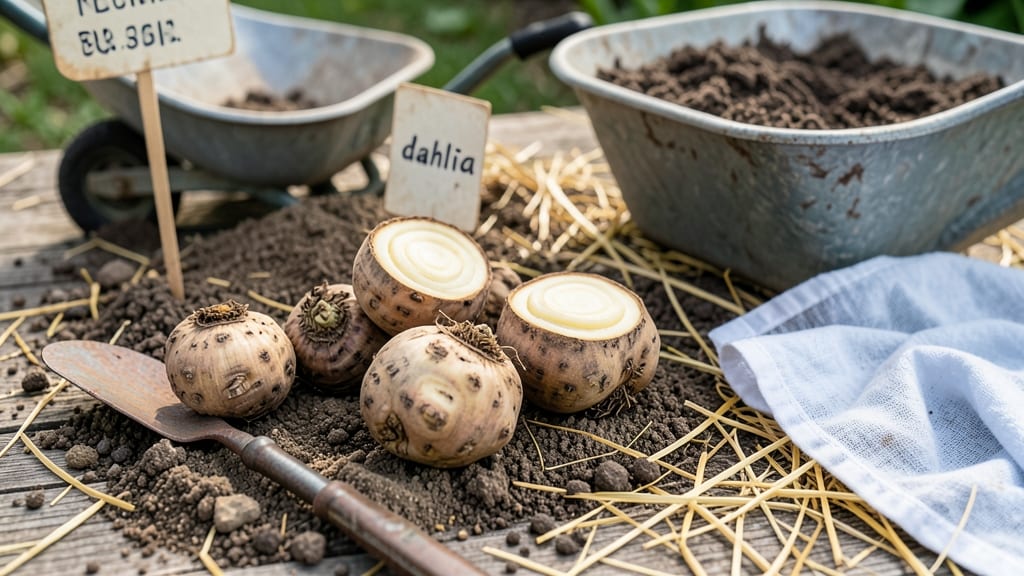
Planting dahlias in Vermont isn’t just about waiting for the calendar to say "go"—it’s about catching that sweet spot when the soil warms up enough to trigger those tubers into explosive growth. With USDA zones 5b-6a and unpredictable frost patterns, timing is everything to avoid stunted blooms or frost damage.
Most gardeners assume they should plant after Memorial Day, but that’s not always the case. The real secret is waiting until the soil reaches at least 60°F, which in Vermont typically lands between May 15 and June 1, depending on your microclimate.
Raised beds or black plastic mulch can shave off critical weeks, giving your dahlias a head start.
Why does this matter? Because dahlias planted too early in cold soil rot before they can establish roots, while those planted too late miss their prime blooming window. I’ll show you exactly how to read your soil’s cues—no guesswork—so your 🌼 dahlias thrive from the first day in the ground.
From pre-sprouting tubers indoors to protecting them with row covers, we’ll cover every trick to maximize your blooms in Vermont’s short growing season. Let’s get those tubers in the ground at the perfect moment!
Vermont’s ideal dahlias planting window: soil temperature over frost dates
Vermont’s USDA zones 5b-6a mean late spring frosts can linger until May 15, but dahlias need soil temperatures of 55°F+ to thrive. Rushing planting before the ground warms risks stunted growth or tuber rot—especially in Vermont’s clay-heavy soils that retain cold longer.
Most gardeners wait until 2–4 weeks after the last frost, but this varies by region.
Southern Vermont (like Bennington) may hit optimal planting windows by early May, while northern areas (e.g., Burlington) often wait until late May or early June. Black plastic mulch can shave off 1–2 weeks of waiting time by warming soil faster.
For raised beds, soil warms 2–3 weeks earlier than in-ground plots, making them ideal for early dahlias. If you’re using containers, pre-warm the soil with a heat mat or plant in well-composted potting mix to mimic ideal conditions.
Here’s the critical timeline for Vermont gardeners: April 15–May 15: Test soil readiness (see next section). May 15–June 1: Optimal planting window for most regions. After June 1: Risk of bolting or shorter bloom seasons.
| Region | Last Frost Avg. | Optimal Planting Window | Soil Temp Goal | Pro Tip |
|---|---|---|---|---|
| Southern VT (Bennington) | May 5 | Late April–early May | 55–60°F | Use black plastic mulch to warm soil faster. |
| Central VT (Montpelier) | May 12 | Early–mid May | 60°F+ | Wait for daffodils to bloom as a natural cue. |
| Northern VT (Burlington) | May 20 | Late May–early June | 60–65°F | Start tubers indoors in March for earlier blooms. |
| Raised Beds (Anywhere) | 2–3 weeks earlier | Early May (most regions) | 55°F+ | Faster warming = earlier dahlias! |
If you’re unsure about soil temps, use a soil thermometer—dahlias won’t grow well below 55°F. For early blooms, consider pre-sprouting tubers indoors in late April, then transplant after the last frost. Just be ready to protect them with frost cloth if nights dip below 40°F.
Remember: Dahlias are tender perennials—they won’t survive Vermont’s first frost (Oct 1). Plan to dig and store tubers before hard freezes hit. In Zone 5b, this usually means late September for most varieties.
For extended blooms, choose early-flowering varieties like ‘Happy Single’ or ‘Karma Choc’—they’ll give you 4–6 weeks more color before frost. Pair them with late-season varieties like ‘Café au Lait’ for a longer display.
Pro tip: Mark your calendar for June 15—this is your last safe planting date in most of Vermont. After this, dahlias may bolt or produce smaller blooms due to the shorter growing season.
🌼
Vermont’s ideal dahlias planting window: soil temperature over frost dates
Vermont’s last frost date typically lands around May 15, but don’t let that be your only guide. Dahlias need warm soil—at least 55°F (13°C)—to sprout successfully.
Planting too early in chilly Vermont soil can leave tubers vulnerable to rot, while waiting too long risks stunted growth before fall frosts. The ideal window spans from late May to early June, but this varies by microclimate.
In USDA Zones 5b-6a, most of Vermont falls into this range, but southern regions like Bennington may warm up 1-2 weeks earlier than northern areas like Burlington. Always check your local frost-free averages—some years, late May frosts can still sneak in, especially in valleys.
Raised beds or black plastic mulch can shave off 10-14 days of waiting time by warming soil faster.
Here’s the critical timeline for Vermont gardeners:
| Stage | Action | Vermont Timeline |
|---|---|---|
| Soil Prep | Amend with compost; test pH (6.0-7.0) | April 15–May 1 |
| Last Frost | Wait 2–3 weeks after last frost | Mid-May |
| Plant Tubers | 4–6" deep, 12–18" apart; soil 55°F+ | Late May–Early June |
| First Blooms | Expect in 8–12 weeks if conditions are ideal | July–August |
For raised beds, you can plant 2–3 weeks earlier than in-ground soil, thanks to faster warming. If you’re using black plastic mulch, lay it down 2 weeks before planting to raise soil temps by 5–10°F.
In northern Vermont, consider starting tubers indoors in late April to give them a head start before transplanting.
Pro tip: Use a soil thermometer to confirm readiness—55°F (13°C) at 4" depth is your green light. If temps dip below 50°F (10°C) at night, protect new plants with frost cloth until roots establish.
Dahlias are tender perennials, so getting them in the ground at the right time means the difference between a showstopping summer display and a disappointing flop.
Once planted, focus on consistent moisture and staking—Vermont’s summer warmth will reward you with bold blooms from July through October. Just don’t wait until July to plant; by then, your dahlias may never fully recover from the late start! 🌼