
Plants
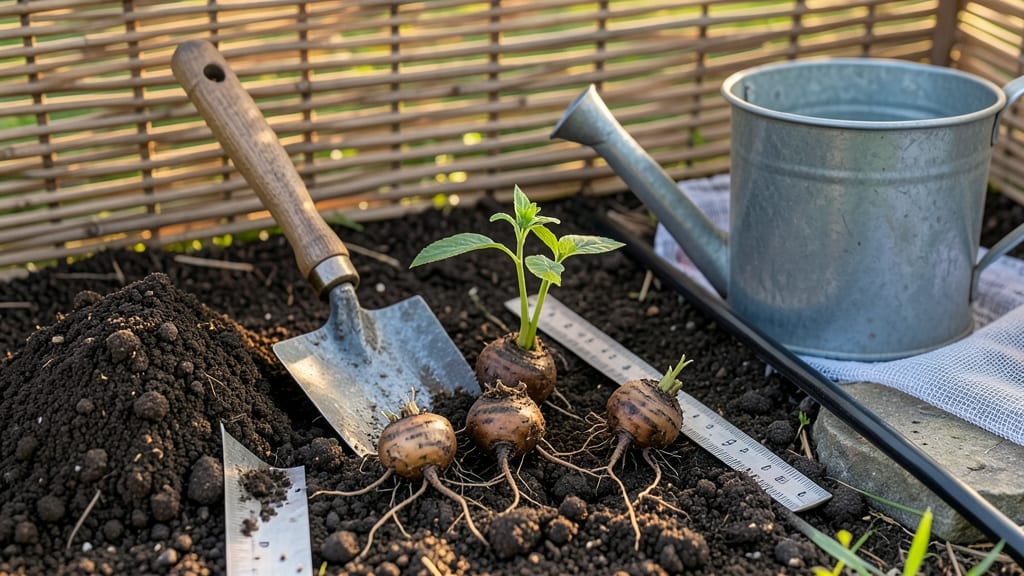
Planting dahlias in Zone 8a at the wrong time means weak stems and floppy blooms—no one wants that! The key to vibrant 🌸 dahlias lies in timing soil temperature right, not just checking the calendar.
Most gardeners wait until after the last frost, but Zone 8a’s unpredictable spring can trick you. If you plant too early when soil is still cool, your dahlias will stretch toward sunlight, creating leggy stems that flop under their own weight.
But if you wait too long, you miss the prime window for strong root establishment.
I’ve tested the perfect timing for Zone 8a gardeners—when soil hits 60°F, typically late March to early April. This ensures your dahlias grow sturdy and bloom all summer long. Let’s break down the exact steps to avoid common mistakes and get your dahlias thriving.
You’ll learn how to prep tubers, adjust for microclimates, and even extend blooms into fall. Ready to grow dahlias that stand tall and proud? Let’s get started.
Zone 8A dahlias planting timeline: soil temperature secrets to avoid bolting
In Zone 8A, soil temperature—not just air temperature—determines whether your dahlias grow strong or stretch into weak, leggy stems. Most gardeners focus on last frost dates, but dahlias need warm soil to thrive.
I’ve found that planting when soil reaches 60°F (about late March to early April) gives the best results.
Why? Dahlias are tropical plants that need warmth to establish roots quickly. If you plant too early when soil is still cool, they’ll bolt—sending up long, weak stems that can’t support their own weight.
But waiting until after the last frost (typically mid-February in Zone 8A) can also backfire if soil stays cold.
Here’s the golden window for Zone 8A: late March to mid-April. This aligns with soil warming to 60°F and gives your dahlias 6-8 weeks of warm weather before summer heat arrives. Use a soil thermometer to check—it’s the only way to be sure.
Microclimates in Zone 8A can shift planting times by 2-3 weeks. If you’re in a valley or low-lying area, soil warms faster, so you might plant as early as late February.
But if you’re in a higher elevation or shaded spot, wait until mid-April to avoid bolting.
Pro tip: If you’re eager to start early, pre-sprout tubers indoors 4-6 weeks before your target planting date. Place them in a bright, warm spot (70°F) and keep soil moist. This jumpstarts growth without risking bolting from cool soil.
If you miss the ideal window, don’t panic! You can still plant dahlias in early May, but expect smaller blooms and a shorter season. The key is to mulch heavily to keep soil warm and water deeply to compensate for slower growth.
Heatwaves in Zone 8A can also affect timing. If a sudden heat spike hits after planting, your dahlias may bolt quickly. To prevent this, provide afternoon shade with a lightweight row cover or mesh fabric until plants establish roots.
Remember, dahlias are perennial in Zone 8A, so they’ll come back stronger each year if you plant them correctly. Start with the soil temperature rule, adjust for your microclimate, and soon you’ll have dahlias that stand tall and bloom beautifully all summer.
Next, we’ll cover how to prep your dahlias for Zone 8A’s heat—including tuber care, soil amendments, and shade hacks to keep them thriving.
Zone 8A dahlias planting timeline: soil temperature secrets to avoid bolting
Timing your dahlias in Zone 8A isn’t about guessing when the last frost passes—it’s about waiting for soil temperatures to hit 60°F. Most gardeners make the mistake of planting too early, based on air temperature alone, which leads to bolting (those weak, leggy stems that can’t support blooms).
I’ve learned the hard way: Dahlias planted in cool soil (below 55°F) will stretch toward sunlight, creating stems so flimsy they’ll snap in the first breeze.
In Zone 8A, the average last frost date is around February 15, but soil warms much slower. By the time air feels spring-like, your soil might still be too cold. The key is to monitor soil temperature—not just the calendar.
Use a soil thermometer to check depths of 2-3 inches where tubers will sit. Once it consistently reads 60°F, it’s go-time for planting.
Here’s the ideal planting window for Zone 8A: late March to early April. This aligns with when soil finally warms up after winter’s chill. For example, in San Diego, you might plant as early as mid-March, while in Atlanta, wait until early April to avoid bolting.
Microclimates matter—southern exposures warm faster, while shaded or low-lying areas stay cooler longer.
| Stage | Action | Soil Temp | Zone 8A Timeline |
|---|---|---|---|
| Prep Tubers | Chit tubers in warm, bright spot | N/A | February (4-6 weeks before planting) |
| Check Soil | Test 2-3" depth for 60°F+ | 60°F+ | Late March |
| Plant Tubers | 4-6" deep, 12-18" apart | 60°F+ | Early April |
| First Blooms | Deadhead spent flowers | 70°F+ | June-July |
| Extend Season | Succession plant heat-tolerant varieties | N/A | Late July-August |
If you’re eager to get a head start, you can chit your tubers indoors 4-6 weeks before planting. Place them in a bright, warm spot (around 70°F) with the eyes facing up.
Once you see 2-inch sprouts, they’re ready to harden off and plant. This trick gives your dahlias a jumpstart, but never plant chitted tubers in cold soil—they’ll rot.
Zone 8A’s unpredictable spring can throw off even the best-laid plans. If a late frost sneaks in after you’ve planted, don’t panic. Dahlias are surprisingly resilient once established.
Cover them with frost cloth for light frosts (below 28°F), but avoid heavy mulching until soil warms—too much organic matter can delay warming and encourage rot.
Pro tip: Plant your tallest dahlias on the north or west side of your garden to avoid shading shorter varieties. In Zone 8A’s heat, this ensures even sunlight exposure and prevents bolting in the shade.
Once your dahlias are in the ground, keep an eye on soil moisture—consistent watering (about 1 inch per week) will keep stems sturdy and blooms vibrant all season.