
Plants
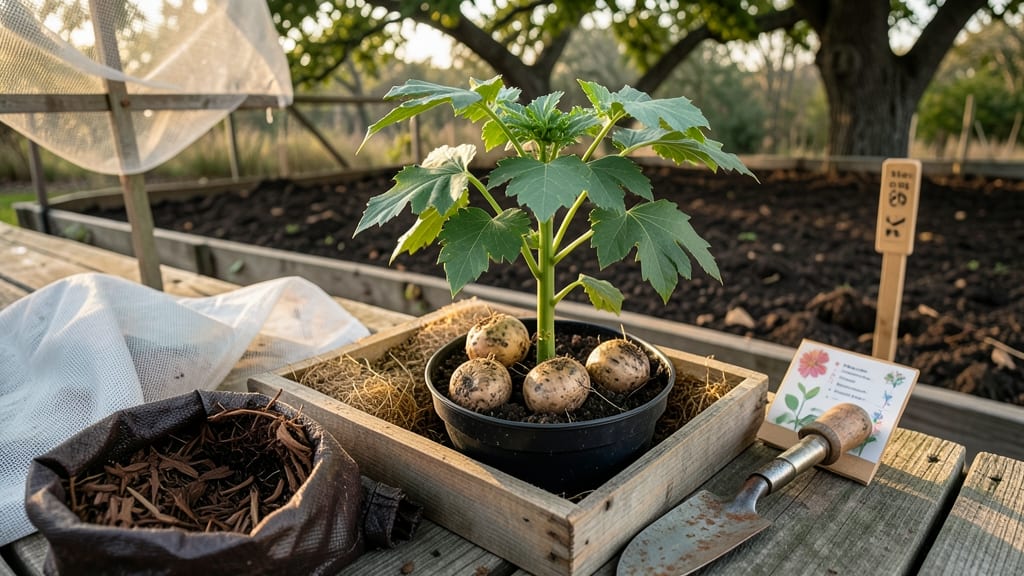
When to plant dahlias in Zone 9b could mean the difference between a garden full of vibrant blooms and one that wilts before it even begins. Unlike cooler climates, the desert heat of Phoenix or Southern California demands a strategic approach—plant too early, and your tubers will bake in the soil; too late, and you miss the sweet spot for fall establishment.
Most gardeners in Zone 9b wait until October or November to plant dahlias, once the scorching summer sun starts to mellow. This isn’t just about avoiding heat stress—it’s about giving your dahlias the 60-90 days they need to root before winter’s mild chill sets in.
But here’s the catch: not all dahlias are created equal, and choosing the right heat-resistant variety could save you from a summer of wilting stems.
I’ve tested the best varieties for this climate, and the results are game-changing. Whether you’re dealing with 100°F+ days or microclimates that stay warmer longer, the right timing and plant selection will keep your 🌸 dahlias thriving well into the growing season.
Let’s break down the exact window, the varieties that won’t flinch in the heat, and how to outsmart the desert’s quirks for a garden that pops.
Ready to skip the guesswork? By the end of this guide, you’ll know the precise dates to plant, which dahlias to pick, and how to keep them blooming until frost—if it ever even shows up. No more second-guessing, just confident, heat-beating dahlias that’ll make your neighbors green with envy.
Best planting timeline for dahlias in Zone 9B: heat tolerance and frost risks
Zone 9B’s warm winters and scorching summers create a unique challenge for growing dahlias. Unlike cooler climates, frost isn’t the main concern—instead, heat stress and soil temperature dictate your planting window.
The key is to plant when the ground cools enough to prevent tuber rot while avoiding summer’s peak heat.
In Zone 9B, October and November are the ideal months to plant dahlia tubers. This timing lets you bypass the worst summer heat while giving plants time to establish roots before winter’s mild chill. For transplants, aim for late September to early October to maximize bloom time.
Soil temperature is your best guide: Dahlias thrive when soil is between 60-65°F. Use a soil thermometer to check—planting too early in 85°F+ soil risks rotting tubers, while waiting too long may delay blooms until late spring.
Zone 9B’s minimal frost risk means you don’t need to rush, but don’t wait until December either. Tubers planted after November 15th may struggle to establish before winter’s cooler temps slow growth. For a second planting, try late winter (February) for summer blooms, though this requires extra care.
Here’s your month-by-month planting timeline for Zone 9B:
| Month | Action | Soil Temp | Notes |
|---|---|---|---|
| September | Prep soil, order tubers | 85°F+ (too hot) | Avoid planting; focus on soil prep |
| October | Plant tubers or transplants | 60-75°F | Ideal window for blooms by spring |
| November | Last chance for tubers | 55-65°F | Use mulch to protect roots |
| December-February | Dormant season | 50-60°F | No planting; focus on soil health |
| March-April | Transplant starts | 65°F+ | Late blooms possible with care |
For heat-resistant varieties, like ‘Café au Lait’ or ‘Mignon’, you can push the envelope slightly. These types tolerate up to 90°F once established, so you might plant tubers in late September if you’re using shade cloth or drip irrigation to cool roots.
Just monitor soil moisture closely—dahlias wilt faster in heat.
Pro tip: In desert microclimates (e.g., Phoenix), plant dahlias near paved areas or patios to benefit from radiant heat retention. The extra warmth can jumpstart growth in cooler winter months. Just ensure your soil drains well—poor drainage is the #1 killer of dahlias in Zone 9B.
If you’re transplanting potted dahlias (common in nurseries), harden them off for 7-10 days before planting. Zone 9B’s low humidity and intense sun can shock delicate roots, so gradual acclimation is key. Water deeply the day before transplanting to reduce stress.
Remember: Dahlias are tuber plants, not seeds. Planting tubers too early in warm soil causes them to sprout prematurely and rot. Wait until nighttime temps consistently drop below 75°F—usually by mid-October in most of Zone 9B.
🌸
Best planting timeline for dahlias in Zone 9B: heat tolerance and frost risks
Zone 9B’s warm winters and scorching summers create a unique challenge for dahlias—plant too early, and your tubers may rot in residual summer heat; plant too late, and you’ll miss the fall bloom window.
The sweet spot? October through mid-November, when soil temperatures drop below 85°F and daytime highs ease into the 70s°F range.
Unlike cooler zones, Zone 9B dahlias don’t need frost protection—but they do need heat escape. The key is timing tubers for 6-8 weeks before first frost (which is rare in 9B, but late-winter cold snaps can occur).
For transplanted starts, aim for mid-September to give roots time to establish before summer’s return.
Soil temperature is your best guide: Dahlias won’t sprout reliably until soil hits 60°F. Use a soil thermometer to confirm—planting in warm soil (above 75°F) stresses tubers and invites rot. In desert microclimates like Phoenix, wait until November for optimal success.
| Timeframe | Task | Notes |
|---|---|---|
| Late August | Prep soil | Amend with compost; avoid fresh manure |
| October 1-15 | Plant tubers | 6-8" deep; mulch heavily |
| Mid-November | Transplant starts | Hardy varieties only; protect from wind |
| December-February | Winter care | Reduce water; no fertilizer |
For heat-resistant varieties, extend your window slightly: Some tropical dahlias (like ‘Café au Lait’) tolerate 90°F+ soil, but even they struggle with midday heat. Plant these 1-2 weeks later than standard types and provide afternoon shade with shade cloth (30-50% coverage).
Missed the October window? Don’t despair—Zone 9B’s mild winters allow late plantings in December for spring blooms. Just use cold frames or row covers to protect young shoots from unexpected cold snaps (below 40°F).
These winter-planted dahlias will bloom 2-3 weeks later than fall plantings but still reward you with summer-long color.
Pro tip: Mark your calendar for January 15th—this is your absolute last chance for tuber planting in Zone 9B. After that, switch to container-grown starts or wait until spring (though spring plantings yield fewer blooms). Heat tolerance is key: Choose ‘Bishop’ or ‘Thomas Edison’ for 95°F+ survival.