
Plants
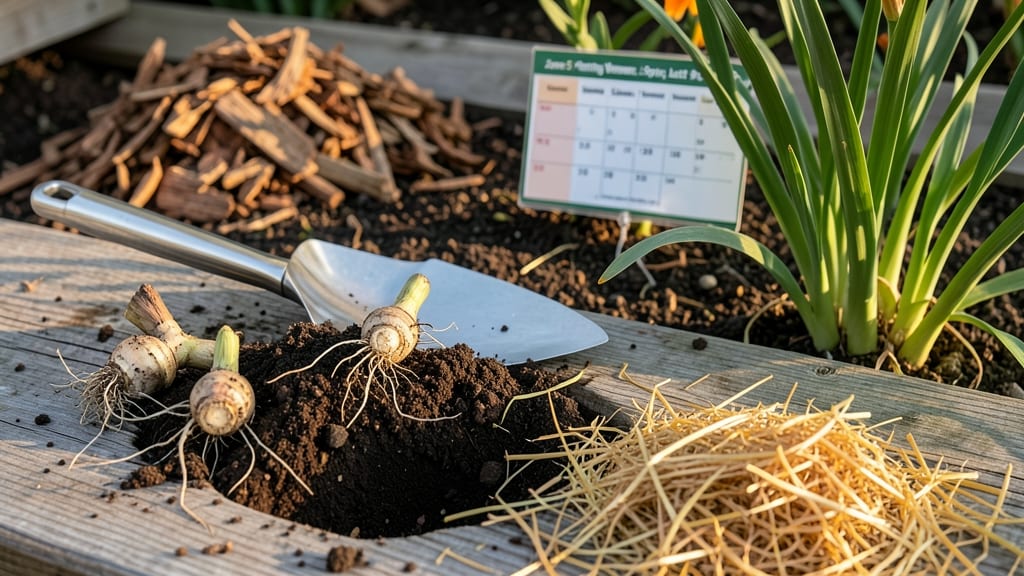
When to plant daylily bulbs in Zone 5 can make all the difference between vibrant summer blooms and frost-damaged roots. The key isn't just following calendar dates—it's understanding when soil temperatures hit that critical 50°F–60°F sweet spot for planting.
If you've ever wondered why some gardeners get lush daylilies while others struggle with weak growth, the answer likely lies in planting too early or too late.
I'll show you exactly how to read your soil's temperature cues and choose the perfect window—whether you're planting for spring blooms or fall hardiness.
Zone 5 gardeners face unique challenges with unpredictable frost dates, but there's a science to beating the odds. You'll discover the ideal 4-6 week planting window before ground freezes, plus how to adjust for your specific microclimate—whether you're in a rural area or urban heat island.
Let's dive into the soil secrets that will help your daylilies thrive year after year, with practical tips to avoid common mistakes and maximize your blooms. Your perfect planting schedule starts here.
Zone 5 daylily planting schedule by soil temperature (not calendar dates!)
Daylilies are actually grown from rhizomes, not bulbs—a common misconception! These hardy perennials thrive in Zone 5 when planted at the right soil temperature, not just calendar date. Unlike tender plants, daylilies tolerate light frost after root establishment, but timing still matters for vibrant blooms.
The critical window for planting daylilies in Zone 5 is when soil temperatures consistently reach 50°F–60°F. This typically aligns with late April to early May for spring planting or September to early October for fall. Calendar dates vary yearly, so always check soil warmth instead of relying on months.
Here’s why soil temperature matters: Daylily rhizomes need 4–6 weeks to establish roots before winter. Planting too early risks frost heave, while waiting too long delays root growth. A soil thermometer (or your elbow—more on that below!) ensures perfect timing every year.
| Planting Window | Soil Temp Range | Zone 5 Months | Key Considerations |
|---|---|---|---|
| Spring Planting | 50°F–60°F | Late April–Early May | Blooms same year; mulch after planting |
| Fall Planting | 50°F–60°F | September–Early October | Better root establishment; blooms next year |
| Avoid Planting | Below 40°F | November–March | Risk of frost heave or poor root growth |
For spring planting, aim to get rhizomes in the ground 4–6 weeks before your last frost date (typically mid-May in Zone 5). In my garden, I’ve found that planting in early May gives rhizomes enough time to root before summer heat arrives.
Use a soil thermometer to confirm temps are stable at 50°F+.
Fall planting offers better long-term success because cool soil encourages root growth without summer stress. In Zone 5, September is ideal—rhizomes establish roots before winter while avoiding early frost. Just be sure to plant 6 weeks before your first frost (usually mid-October) to prevent winter damage.
Pro tip: Test soil warmth without a thermometer by pressing your elbow into the soil. If it feels like a cool bath (not icy), it’s likely 50°F+.
This trick works for both spring and fall planting. Pair this with a mulch layer (2–3 inches of straw) to regulate soil temps and retain moisture.
Microclimates in Zone 5 can shift planting windows by 2–3 weeks. Urban areas often stay warmer, while rural spots cool faster. Observe your garden’s patterns: Does frost linger in low spots?
Does your south-facing bed warm up earlier? Adjust your schedule based on these local conditions rather than generic zone guidelines.
Once planted, daylilies need well-draining soil and full sun (6+ hours daily). Amend heavy clay with compost to prevent waterlogging, which can rot rhizomes. In my experience, sandy loam works best—it warms quickly in spring and drains well after rain.
Remember: Daylilies are perennials, not annuals. Proper timing now means decades of blooms with minimal care. Whether you choose spring or fall, focus on soil temperature, not just the calendar. Your daylilies will thank you with vibrant, frost-resistant blooms year after year!
Zone 5 daylily planting schedule by soil temperature (not calendar dates!)
Daylilies don’t follow the calendar—they follow soil temperature. In Zone 5, planting too early (when soil is still below 50°F) risks frost heave, while waiting too long (soil above 60°F) delays root growth.
The sweet spot? 50°F–60°F soil temps, which typically aligns with late April to early May for spring or September to early October for fall.
Most gardeners assume calendar months dictate planting, but Zone 5’s unpredictable frost dates (mid-May to mid-October) make soil temperature the real guide. A soil thermometer is your best tool—skip guessing and plant when roots can establish 4–6 weeks before frost.
| Season | Ideal Soil Temp | Zone 5 Months | Key Notes |
|---|---|---|---|
| Spring | 50°F–60°F | Late April–Early May | Plant after last frost; mulch to retain warmth. |
| Fall | 50°F–60°F | September–Early October | 4–6 weeks before first frost; roots harden before winter. |
Spring planting (April–May) gives daylilies a full growing season for robust blooms, but fall (September–October) is my top pick for Zone 5. Cooler temps reduce transplant shock, and established roots handle winter better. Pro tip: Test soil warmth at 4 inches deep—surface temps can mislead!
Urban areas often warm faster than rural spots, so adjust by 1–2 weeks. For example, Chicago’s last frost average is May 15, but soil may hit 50°F by mid-April. Always err on the later side—daylilies recover from delayed planting but rarely from early frost damage.
Daylilies grow from rhizomes, not bulbs—so think of them as low-maintenance perennials. Planting at the right soil temp ensures faster root spread and bigger blooms next season.
Skip the guesswork: Wait for 50°F+ soil, and you’ll avoid the two biggest Zone 5 mistakes—frost heave and stunted growth.
Once planted, mulch with 2–3 inches of straw to lock in moisture and regulate soil temps. This simple step can extend your planting window by 1–2 weeks in both spring and fall.