
Plants
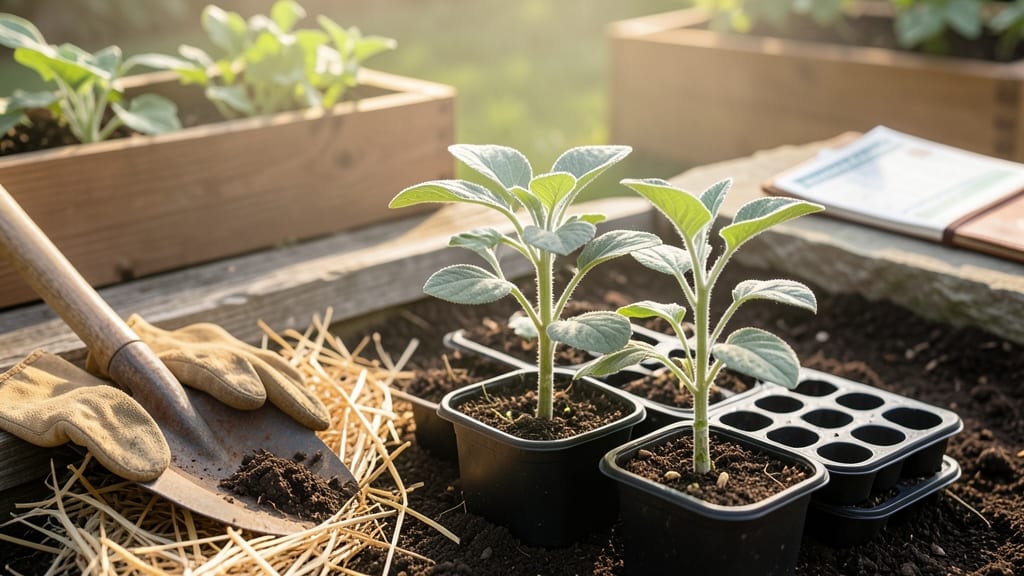
Timing your eggplant planting in North Carolina isn't just about waiting for spring—it's about catching that sweet spot between frost risk and scorching summer heat. 🍆 The wrong move, and you could end up with wilted seedlings or stunted growth.
I've grown eggplants here for years, and the key is knowing exactly when soil temps hit that magic 70°F threshold.
Most NC gardeners in zones 7a-8b can start planting after April 15, but coastal areas often need to wait until May. The real secret? Using black plastic mulch to warm the soil faster and give your plants a head start.
This isn't just theory—it's what actually works in my Piedmont garden.
What you'll discover here is how to time your plantings for maximum harvests from July through October. We'll cover transplanting vs. direct sowing, plus how to stretch your growing season with simple tricks. No more guessing—just proven methods that match NC's unique microclimates.
Ready to grow eggplants that thrive? Let's dive into the exact schedule that'll have you enjoying homegrown 🍆 from your garden all summer long. The best part? These tips work whether you're in the mountains or at the coast.
NC eggplant planting calendar: frost dates, soil temps & best months
North Carolina’s USDA Zones 7b-8a offer a long growing season for eggplants, but timing is everything. Eggplants are heat-lovers that won’t survive frost, so planting too early means lost crops.
The key is waiting until soil temps hit 75°F+ and the last frost has passed—typically mid-April to early May in most of NC.
For coastal areas (like Wilmington), you can start 2-3 weeks earlier (late March), while mountain regions (Asheville) should wait until mid-May. The frost-free window in NC spans 215 days, giving you plenty of time for multiple harvests if you plan carefully.
🚨 NON-NEGOTIABLE: Never plant eggplants before the last frost date in your area—even if soil feels warm. Cold snaps can kill young plants overnight.
| Stage | Action | NC Timeline |
|---|---|---|
| Soil Prep | Amend soil with compost; test pH (6.0-6.8). | February-March |
| Start Seeds Indoors | Sow seeds 8-10 weeks before last frost. | Mid-February to early April |
| Transplant Seedlings | Hardened-off seedlings after last frost. | Mid-April to early June |
| Direct Sow | Only in warm climates (Zone 8a+) after May 15. | Late May-June |
| Harvest Window | Pick when glossy and firm (75-100 days). | July-October |
If you’re transplanting seedlings, start them indoors 8-10 weeks before your last frost date. Use grow lights if natural light is limited, and harden them off for 7-10 days before moving outside.
For direct sowing, wait until soil temps stay above 75°F—usually late May to June in most of NC.
Pro tip: Use a soil thermometer to check temps. Eggplants won’t thrive until the ground hits 70°F+, and they’ll bolt (flower prematurely) if stressed by cold. In cooler zones (like the mountains), opt for fast-maturing varieties (60-70 days) to squeeze in a harvest before fall frosts.
For coastal NC gardeners, you can push the envelope and plant as early as late March if you use row covers or a cold frame. Just be ready to remove them once soil warms up to protect plants from overheating.
In the Piedmont region, aim for mid-April, while mountain zones should wait until mid-May.
🌱 Remember: Eggplants are sensitive to cold, but they also love heat. Planting too late in the season can stunt growth, so balance your timing with your local first frost date (usually mid-November in NC).
To maximize your harvest, consider staggered planting: Start with an early batch in April, then follow up with 3-4 week intervals through June. This ensures a continuous supply of eggplants all summer long.
Finally, always choose healthy transplants from a reputable nursery. Look for stocky seedlings with dark green leaves—avoid leggy or yellowing plants, as they’ll struggle to recover once transplanted.
How to extend eggplant season in NC: staggered planting & cold protection
North Carolina’s variable spring temperatures can wreck eggplant transplants if you’re not prepared. I’ve learned the hard way—late frosts in April can kill tender seedlings overnight. The key? Staggered planting and protective gear to extend your growing window by 4-6 weeks on either end.
Start with early transplants under row covers in late March (Zone 7b) or early April (Zone 8a). Remove covers once soil stays above 60°F consistently. For late-season harvests, plant a second batch in mid-June—these will thrive until first frost in November.
🌱
- 📅 Plant every 2 weeks from April to June for continuous harvests. Example: April 15, May 1, May 15, June 1.
- 🛡️ Use floating row covers (not plastic) for early transplants—allows sunlight while blocking 28°F+ chills.
- ☀️ Warm soil faster with black plastic mulch. Lay it 2 weeks before transplanting to raise temps 5-10°F.
- 🌿 Shade cloth (30-50%) in July-August protects from 95°F+ heat that stunts growth.
- 🍆 Choose heat-tolerant varieties like ‘Ichiban’ (75-day) or ‘Rosa Bianca’ (80-day) for late-season success.
For coastal NC gardeners (Zone 8a), you can push the envelope further. Plant transplants as late as July 1st—they’ll mature before frost if given consistent water and evening shade during heatwaves. Inland areas (Piedmont) should stick to June 15th as the cutoff.
Protective measures aren’t just for cold snaps—they also reduce disease pressure. Eggplants hate wet foliage, so avoid overhead watering when using row covers. Instead, drip irrigation keeps leaves dry while delivering moisture directly to roots.
🪴 Remember: The goal is 120-140 frost-free days for full-sized eggplants. With these strategies, I’ve harvested until Thanksgiving in my Zone 7b garden—double the usual yield!