
Plants
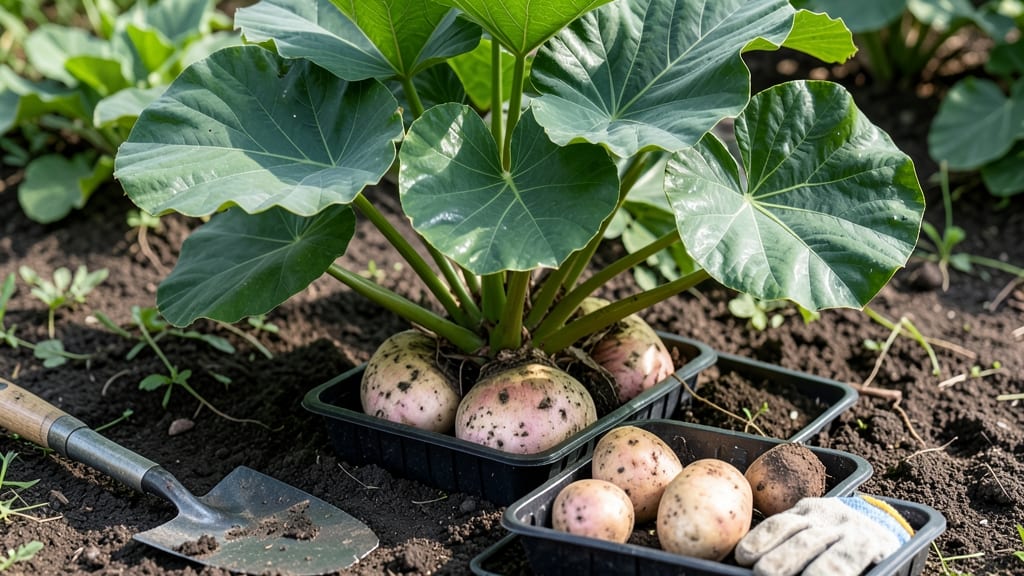
If you're dreaming of stunning tropical foliage in your Georgia garden, timing is the key to success with when to plant elephant ear bulbs in Georgia—these bold beauties thrive when planted just right.
Planting these at the wrong time can mean lost growth or even frost damage, but get it right, and you'll enjoy lush, vibrant leaves all season long.
Georgia's warm climate gives you a perfect window—typically between April and May—when soil temperatures are just right and frost risks fade away. Whether you're using tubers or pre-grown plants, knowing exactly when to plant makes all the difference in how quickly your elephant ears take off.
I've seen firsthand how proper timing can transform a struggling plant into a showstopper. In this guide, I'll break down the best months for your USDA 7b-8b zone, share soil prep secrets, and explain why planting too early or late can backfire in Georgia's unique climate.
Ready to turn your garden into a tropical paradise? Let's dive into the exact steps to ensure your elephant ears thrive from day one.
Best months to plant elephant ear bulbs in Georgia’s climate zones
Georgia’s USDA zones 7b-8b create perfect conditions for elephant ear bulbs (Colocasia), but timing is critical. Plant too early and risk frost damage—too late and miss peak foliage growth.
The ideal window is April through early May, after your region’s last frost date (typically mid-March to early April in most of Georgia).
Soil temperature is your best guide: wait until it consistently reaches 60-65°F at a 4-inch depth. In northern Georgia (Zone 7b), this usually means waiting until mid-April, while southern Georgia (Zone 8b) gardeners can plant as early as late March.
For tubers (the most common planting method), choose a spot with partial shade and rich, moist soil. In Georgia’s heat, afternoon shade is essential to prevent leaf scorch.
If you’re using pre-grown plants, transplant them after the last frost but before June 1st to allow roots to establish before summer heat arrives.
Here’s how Georgia’s climate zones break down for optimal planting:
| Zone | Last Frost Date | Ideal Planting Window | Soil Temp Threshold | Risk if Planted Early |
|---|---|---|---|---|
| 7b (North GA) | Mid-March | Mid-April to early May | 60-65°F | Frost damage to tubers |
| 8a (Central GA) | Late February | Late March to April | 60-65°F | Slow growth, stunted foliage |
| 8b (South GA) | Early February | Late March to early April | 55-60°F | Minimal risk (warmer winters) |
Pro tip: Use a soil thermometer to confirm soil warmth before planting. Cold soil can delay sprouting by 2-3 weeks, leaving your elephant ears playing catch-up during Georgia’s intense summers. For container gardening, plant tubers in well-draining pots and keep them near a shaded patio until soil warms.
If you’re in Zone 7b and experience late frosts, consider staggered planting: plant half your tubers in early April and the rest 2 weeks later.
This extends your display season by 4-6 weeks as the later batch catches up. Just ensure all tubers are planted before June 1st to avoid summer stress.
Georgia’s humidity levels (especially in summer) are perfect for elephant ears, but poor drainage is their biggest enemy. Amend your soil with compost or peat moss to improve moisture retention without waterlogging. In heavy clay soils (common in northern GA), mix in sand or perlite to prevent root rot.
Remember: elephant ears are tender perennials in Georgia. While they’ll regrow from tubers each spring, they won’t survive winter outdoors unless you dig and store tubers (more on this in our next section!).
For long-term growth, plant tubers in spring and dig them up before first frost (usually mid-November in most of Georgia).
For a head start, purchase pre-sprouted tubers from nurseries in late February. Keep them in a cool, dark place (like a garage) until soil warms, then plant them 2-3 inches deep with the eyes (growth points) facing up.
Space them 3-4 feet apart to allow for their bold foliage to thrive.
With the right timing, your elephant ears will reward you with stunning 2-6 foot leaves by early summer, creating a tropical paradise that’s the envy of your neighborhood. Just don’t wait too long—once Georgia’s heat kicks in, planting becomes a struggle, not a joy! 🌿
Best months to plant elephant ear bulbs in Georgia’s climate zones
Georgia’s USDA zones 7b-8b create perfect conditions for elephant ears (Colocasia), but timing your bulb planting is critical. The ideal window is April through early May, after the last frost date (typically mid-March in most regions).
Planting too early risks frost damage, while waiting too late may stunt early growth.
For tubers, aim for soil temperatures above 60°F—a key threshold for root development. Pre-grown plants can tolerate slightly cooler soils but still benefit from warmer temperatures. Georgia’s humidity levels (60-70%) also play a role, as these tropical plants thrive with consistent moisture in the air.
Here’s how planting windows vary by region within Georgia:
| Region | USDA Zone | Ideal Planting Window | Soil Temp Threshold | Key Consideration |
|---|---|---|---|---|
| North Georgia (Athens, Gainesville) | 7b | Late April - Early May | 65°F+ | Higher frost risk; use black plastic mulch |
| Central Georgia (Macon, Columbus) | 8a | Mid-April - Late May | 60°F+ | Moderate humidity; watch for late frosts |
| South Georgia (Savannah, Valdosta) | 8b | Early April - June | 58°F+ | Longer growing season; can plant later |
In North Georgia (Zone 7b), where frosts linger longer, I recommend using row covers or planting in containers for extra protection. For Central and South Georgia, you have more flexibility—even June planting can work if you’re using heat-tolerant varieties like 'Black Stem' or 'Pink Pearl'.
One pro tip: If you’re planting tubers, soak them in lukewarm water for 24 hours before planting to jumpstart growth. This is especially helpful in Georgia’s clay-heavy soils, which can dry out quickly. Always plant tubers 2-3 inches deep with the bud side facing up.
For container gardening, you can start tubers indoors 4-6 weeks before your target outdoor planting date. This gives you an early jump on the season, particularly useful if you’re in Zone 7b where springs can be unpredictable. Just ensure your containers have drainage holes to prevent root rot.
Remember, elephant ears are not frost-tolerant—even a light frost will damage foliage. Monitor your local frost forecast and have a plan to cover plants if temperatures dip below 32°F. With the right timing, your elephant ears will reward you with bold, tropical foliage all summer long! 🌿