
Plants
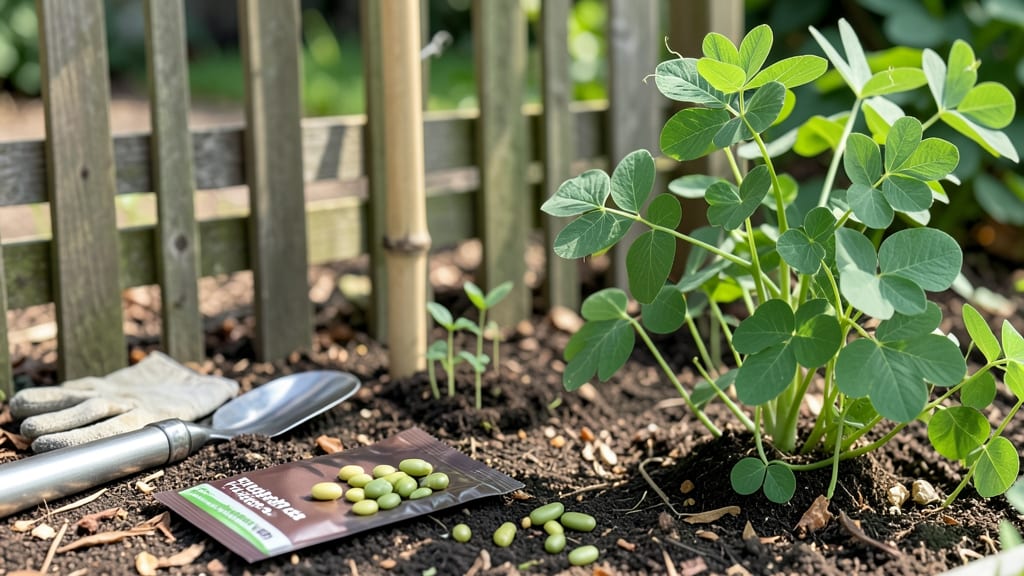
Knowing when to plant English peas in Alabama is the key to avoiding bitter, bolted failures and growing sweet, tender pods instead. Timing your peas just right isn’t just about throwing seeds in the dirt—it’s the difference between a bumper crop and a sad, bolted disappointment.
The perfect planting window (late February to early March or August to September) avoids Alabama’s notorious heat stress, ensuring sweet peas instead of early-flowering disappointments.
Here’s the secret: English peas hate heat and bolt when temperatures creep above 80°F. That’s why Alabama gardeners swear by two planting seasons—spring and fall—to stretch harvests from April to November.
But get it wrong, and you’ll end up with pea plants racing to flower before they’ve even grown leaves.
I’ve grown peas in Alabama’s 7a-8b zones for years, and I’ll show you exactly how to time it right—whether you’re planting for a spring feast or a fall harvest. No more guessing games, just science-backed months that’ll have your peas thriving when the rest of the garden wilts.
Ready to turn your Alabama garden into a pea powerhouse? Let’s dive into the exact months and pro tips that’ll keep your peas happy, healthy, and ready to harvest—without the stress.
Best planting months for English peas in Alabama’s climate zones
Alabama’s USDA Zones 7b-8a create a unique opportunity to grow English peas in both fall/winter and spring seasons. Unlike northern states, you can avoid the heat-induced bolting that ruins summer harvests by focusing on cooler months.
The key is planting when soil temperatures stay below 80°F and nighttime lows don’t dip below 30°F.
For most of Alabama, the ideal planting window spans from late February to early March for spring crops and August to early September for fall/winter harvests.
These timings align with average last frost dates (mid-March) and first frost dates (mid-November), giving you a 6-8 week growing season before extreme temperatures arrive.
Here’s how to match your location to the perfect planting schedule:
| Planting Season | Best Months | Soil Temp Threshold | Nighttime Low | Harvest Window |
|---|---|---|---|---|
| Spring | Late February - Early March | 50-70°F | 35-50°F | Late April - Early May |
| Fall | August - Early September | 65-75°F | 40-55°F | October - November |
| Late Fall (Riskier) | October (North AL) | 55-65°F | 30-40°F | December (limited) |
📅 Pro Tip: Use a soil thermometer to confirm temps before planting—peas won’t germinate above 80°F.
North Alabama gardeners (like those in Huntsville) can push spring planting slightly earlier—mid-February—while South Alabama (like Mobile) may need to wait until early March to avoid unpredictable warm spells.
For fall crops, August is ideal in most regions, but September plantings in North Alabama can still yield peas before frost.
One common mistake is planting too early in January, when soil temperatures are still too cold for germination. Wait until soil reaches 50°F—typically late February—for reliable sprouting. Similarly, July plantings risk heat stress, causing peas to bolt (flower prematurely) before producing pods.
If you’re in Zone 8a (like Birmingham), you can experiment with two fall plantings: one in late July and another in early September. The first batch matures before summer heat peaks, while the second aligns with cooler fall temperatures.
Just be prepared to provide shade cloth during 90°F+ days to protect young seedlings.
For container gardening, timing is even more critical since pots heat up faster than garden beds. Plant spring containers in March and fall containers in early September, using black fabric pots to regulate soil temperature. Move containers to shadier spots if afternoon sun exceeds 85°F.
Alabama’s microclimates mean your neighbor’s successful harvest doesn’t guarantee your own success. Use a local frost calendar (like the one from Alabama A&M Extension) and adjust planting dates based on your elevation—higher areas (like Gadsden) frost earlier than coastal regions.
Remember: Peas are cool-season crops, and their sweetness peaks when grown in temperatures below 75°F. Planting outside these windows risks bitter, fibrous pods or no harvest at all. With the right timing, you’ll enjoy tender, sugar-snap peas twice a year—once in spring and again in fall.
How to time your pea planting for zero-bolt success
Timing your English pea planting is everything in Alabama’s 7b-8a climate zones. Peas bolt (flower prematurely) when exposed to consistent temperatures above 80°F or frost-free conditions for too long.
The key is planting when soil temps are 45-75°F and nighttime lows stay above 30°F—this keeps your peas producing sweet pods instead of flowers.
Alabama gardeners have two prime windows to plant: late winter/early spring (February-March) and late summer/early fall (August-September). Spring plantings avoid summer heat, while fall plantings escape early frost. Both strategies rely on precise timing to avoid bolting and maximize yield.
Here’s how to calculate your perfect planting window using Alabama’s average last frost date (March 15-April 1) and first frost date (November 15-December 1). Start by counting backward: plant 4-6 weeks before last frost for spring harvests or 8-10 weeks before first frost for fall harvests.
| Planting Window | Soil Temp | Nighttime Low | Harvest Window |
|---|---|---|---|
| Late February - Early March | 45-65°F | 30-40°F | Late April - Early May |
| August - Early September | 60-75°F | 50-60°F | October - November |
For extended harvests, use succession planting every 2 weeks during your chosen window. This ensures a steady supply of fresh peas without overwhelming your garden at once.
For example, if you plant your first batch in late February, follow up with batches in mid-March and early April to stagger maturity.
Monitor soil temperatures with a soil thermometer—peas won’t germinate well if soil is below 45°F. In Alabama’s warmer southern regions (Zone 8a), you can push spring planting into early April, but northern Alabama (Zone 7b) gardeners should stick to February-March to avoid heat stress.
Pro tip: Use black plastic mulch in early spring to warm the soil faster, or shade cloth in late summer to protect fall plantings from 90°F+ heat waves. These tricks help you fine-tune your planting schedule for zero-bolt success every time. 🌱