
Plants
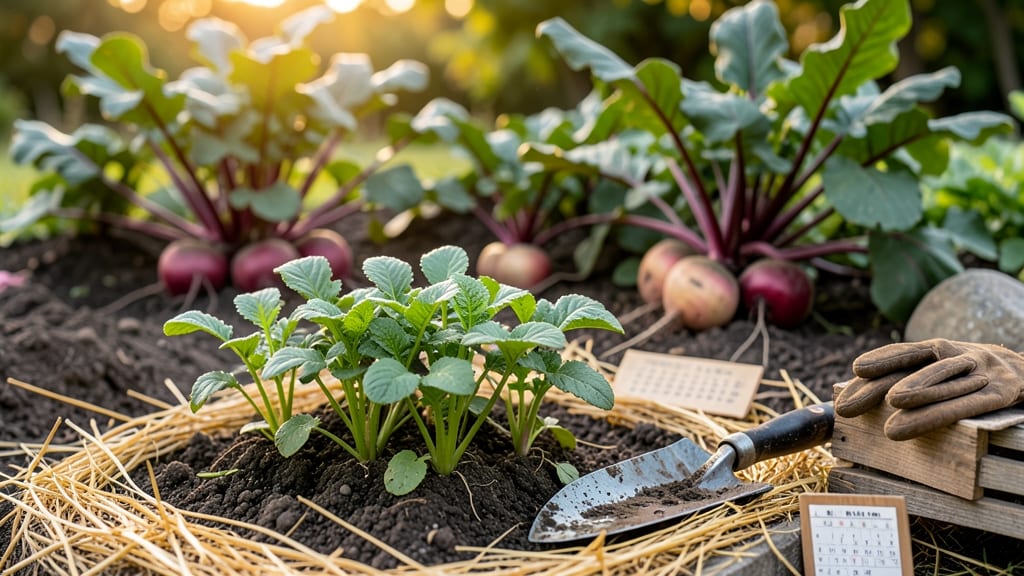
Knowing the exact timing to plant fall beets in Zone 7 can transform your garden from a gamble to a guaranteed harvest of tender, sweet 🍠 roots.
The difference between a thriving crop and a bitter disappointment often comes down to those 4-6 weeks before your first frost—a window that feels narrow but is packed with opportunity.
In Zone 7, where frost typically arrives in mid-October, planting too early risks bolting or tough roots, while waiting too long cuts your harvest short. The key is understanding how your local microclimate and soil conditions interact with these timing rules.
I’ll break down the science behind frost dates and how to adjust for your specific corner of Zone 7—whether you’re in the Piedmont or the Appalachian foothills.
You’ll also discover which beet varieties thrive in fall’s cooler temperatures and how to extend your harvest through late autumn. From spacing seedlings correctly to protecting young plants with row covers, these strategies ensure your beets stay sweet and your garden stays productive.
Let’s dive into the exact steps to make your fall beet planting a success.
Whether you’re a seasoned gardener or just starting, mastering this timing will give you a head start on next year’s planning. By the end, you’ll know not just when to plant, but why it matters—and how to troubleshoot if things don’t go as expected.
Ready to grow your best beets yet?
Best weeks before frost to plant fall beets in Zone 7 for peak sweetness
In Zone 7, where the first frost typically arrives between mid-October and mid-November, timing your fall beet planting is all about balance. Plant too early, and you risk bolting or tough roots before cold weather sweetens them.
Plant too late, and your beets won’t mature before the ground freezes. The sweet spot? Aim for 4 to 6 weeks before your first frost date—usually late August to early September for most of Zone 7.
For example, if your average first frost is October 15th, your last planting window should be around September 15th. This gives beets 80 to 100 days to mature—just enough time for roots to reach 1 to 3 inches in diameter before winter sets in.
Smaller varieties like 'Babybeat' can mature in as few as 50 days, while larger types like 'Detroit Dark Red' need the full 100 days.
Here’s the science behind it: Beets develop natural sugars as temperatures drop, but they need warmth to grow. Planting too late means they’ll bolt (flower) prematurely, turning bitter. Too early, and they’ll grow leggy or develop wooden cores before the cold arrives.
The key is cool nights and warm days—a perfect recipe for sweet, tender roots.
🌱
| Planting Window | First Frost Date | Days to Maturity | Ideal Variety | Root Size at Harvest |
|---|---|---|---|---|
| Late August | October 15 | 80-100 days | Detroit Dark Red | 2-3 inches |
| Early September | November 1 | 60-80 days | Babybeat or Chioggia | 1-2 inches |
| Mid-September | November 15 | 50-60 days | Golden | 1 inch |
Pro tip: Use a frost calendar for your specific area—tools like the Old Farmer’s Almanac or your local Cooperative Extension Service provide hyper-local frost dates. For instance, Charlottesville, VA (Zone 7a), tends to frost earlier than Atlanta, GA (Zone 7b), so adjust accordingly.
If you’re unsure, err on the side of earlier planting—you can always harvest baby beets sooner if needed.
Another trick is to plant a succession crop every 2 weeks in late summer. This staggered approach ensures a steady supply of beets, with some maturing before the first frost and others ready after a light freeze.
For example, plant one batch on August 20th, another on September 5th, and a final one on September 20th. This way, you’ll have beets to harvest from late September through November.
Don’t forget about beet greens—they’re edible too! If you’re growing varieties like 'Fordhook Giant', you can harvest the greens 30 days after planting, leaving the roots to mature for another 50 days.
This dual harvest maximizes your garden’s productivity and gives you fresh greens earlier in the season.
For storage beets, aim to harvest just before the ground freezes. Beets store well in cool, dark conditions (like a root cellar) for up to 6 months1 inch or larger and the skin is firm, it’s harvest time. Smaller beets are sweeter but won’t store as long.
Finally, pay attention to your soil temperature. Beet seeds need soil that’s at least 45°F to germinate. In Zone 7, this usually means waiting until late August—earlier plantings may sit in the soil too long, leading to rot or poor germination.
Use a soil thermometer to check if you’re unsure.
☀️
How to adjust planting dates for Zone 7 microclimates and soil conditions
Zone 7’s 165 frost-free days create a unique challenge for fall beets—your exact planting window depends on whether you’re in the Piedmont’s warmer valleys or the Appalachian foothills’ cooler elevations. Even within 50 miles, soil temperatures can vary by 5-7°F, throwing off your 4-6 week frost countdown.
Start by checking your local frost date average (most Zone 7 areas see first frost between October 15-25). For example, if your area’s frost arrives on October 20, aim to plant September 10-15 for a late fall harvest.
Use a soil thermometer to confirm when temps hit 55-60°F—this is your true planting trigger.
- 🏞️ Piedmont Valleys (warmer): Plant 2-3 days earlier (soil warms faster)
- 🏔️ Appalachian Foothills (cooler): Plant 3-5 days later (soil stays cold longer)
- 🏙️ Urban Heat Islands: Plant 1 week later (soil stays warm longer)
- 🌊 Near Water Bodies: Plant 1 week earlier (soil cools faster)
For soil conditions, amend your beds with compost or aged manure 2-3 weeks before planting to improve drainage—beets hate soggy roots. Test your soil’s pH (aim for 6.0-7.0); acidic soil (pH <5.5) causes yellowing leaves and stunted growth.
If needed, mix in lime or wood ash before planting.
Extend your harvest by 3-4 weeks using floating row covers or low tunnels. These create a 5-10°F warmer microclimate, delaying frost damage. Install covers when night temps drop to 35°F—just remove them during the day to prevent overheating.
For a late fall harvest, plant a second batch 2 weeks after your initial sowing.
Watch for bolting (premature flowering) if temps rise above 75°F after planting. Choose bolting-resistant varieties like ‘Fordhook’ or ‘Detroit Dark Red’ for fall, and always plant in partial shade if summer lingers. Mulch with straw or leaves to maintain even soil temps and reduce moisture stress.
Remember: Soil temperature matters more than air temperature—cool nights won’t stop growth if the soil stays warm. Use a moisture meter to ensure the top 2 inches of soil stay between 60-70°F for optimal root development.
With these adjustments, you’ll harvest sweet beets well into November—or even December with protection!