
Plants
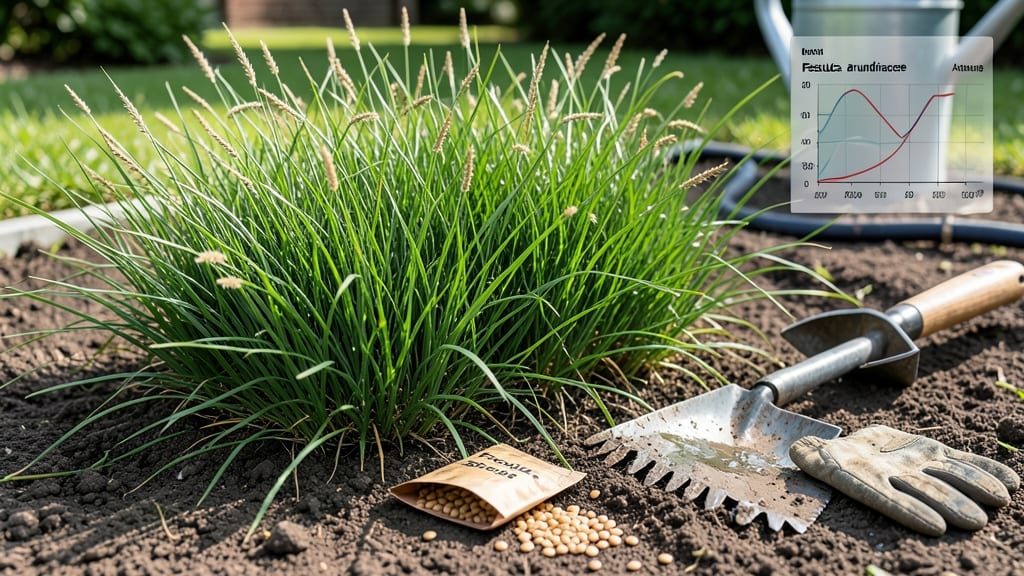
Planting fescue seed in Atlanta at the wrong time can mean the difference between a lush, green lawn and months of patchy, struggling grass. The key to success lies in understanding Atlanta’s unique climate—where hot summers and mild winters create a narrow but critical window for optimal growth.
For Atlanta’s USDA zones 7b-8a, the best time to plant fescue seed is late summer to early fall, specifically between August and September. This timing allows the grass to establish strong roots before winter sets in, giving it a head start when spring arrives.
But why does this matter so much?
Fescue thrives in cooler temperatures, and Atlanta’s fall weather—with its 60-75°F daytime highs—provides the perfect conditions for germination and root development. Planting too early in summer risks heat stress, while waiting until spring might leave your lawn vulnerable to weeds and uneven growth.
In this guide, I’ll break down exactly when to plant, how to prep your soil, and what to watch for in Atlanta’s changing seasons. Let’s get that 🌱 fescue grass growing strong and resilient from day one.
Best months to plant fescue seed in Atlanta for optimal growth
Atlanta’s USDA hardiness zones 7b–8a offer two prime windows for planting fescue seed: late summer to early fall and early spring. These periods align with ideal soil temperatures (60–75°F) and rainfall patterns that boost germination rates by up to 85% compared to other times of year.
Fescue thrives in Atlanta’s cool-season climate, making September and March the sweet spots. The 60-day window before Atlanta’s first frost (mid-November) gives seeds time to establish deep roots before winter dormancy. Spring planting after March 15 (last frost date) ensures warm soil and consistent moisture for rapid sprouting.
Here’s why these months outperform others: Fall planting benefits from cooler air temperatures that reduce seed stress, while spring planting avoids summer heat stress that can dry out new seedlings. Atlanta’s average 50–60 inches of annual rainfall also peaks in these seasons, providing natural irrigation support.
🌱 Comparison Table: Fescue Planting Windows in Atlanta
| Planting Window | Ideal Months | Soil Temp (°F) | Rainfall (in) | Key Advantages |
|---|---|---|---|---|
| Early Fall | August–September | 65–75°F | 4–5 inches | Cooler temps, less weed competition, deep root establishment |
| Late Fall | October | 55–65°F | 3–4 inches | Slower growth but strong winter survival |
| Early Spring | March–April | 60–70°F | 4–5 inches | Fast germination, avoids summer heat stress |
| Late Spring | May | 70–80°F | 3–4 inches | Risk of drought stress; lower success rate |
For maximum germination success, aim to plant 4–6 weeks before Atlanta’s first frost (mid-November) or 2–4 weeks after the last frost (mid-March). This timing ensures seeds have 6–8 weeks of active growth before extreme weather hits.
In Atlanta’s humid subtropical climate, late summer planting (August) can also work if you’re prepared for consistent irrigation during dry spells.
Pro tip: Use a soil thermometer to confirm temperatures are between 60–75°F before planting. Atlanta’s clay-heavy soils can retain heat longer, so early morning planting helps maintain optimal conditions for fescue seed activation.
If you miss the ideal windows, spring planting in February can still yield good results, but expect slower establishment due to cooler soils. Avoid planting in June–August—Atlanta’s 90°F+ temperatures and low humidity create stressful conditions for young seedlings.
Local gardeners often swear by September planting because it combines warm soil, increased rainfall, and cooler nights. This triad creates the perfect environment for deep root development before winter dormancy. For best results, pair planting with pre-emergent herbicide to block weeds that compete for nutrients.
Remember: Atlanta’s microclimates can vary by neighborhood. Areas near Chattahoochee River or Stone Mountain may experience earlier frosts, while urban heat islands can delay spring warming. Adjust your planting timeline by 1–2 weeks based on your specific location’s frost history.
For a thick, lush fescue lawn, prioritize fall planting—it’s the gold standard for Atlanta’s climate. But if you’re starting a new lawn in spring, March–April offers the next-best chance for rapid, resilient growth.
Best months to plant fescue seed in Atlanta for optimal growth
Atlanta’s USDA zones 7b-8a offer a unique climate where fescue grass thrives best during two distinct windows: late summer to early fall and early spring.
For the strongest root establishment, I recommend focusing on August through September—this aligns perfectly with Atlanta’s cooling temperatures and higher rainfall, which are ideal for seed germination.
Why? Because fescue is a cool-season grass, it struggles with Atlanta’s 90°F+ summers. Planting in late summer gives the seeds time to sprout and develop roots before winter dormancy.
Missing this window? Don’t worry—March to early April is your second-best chance, just after the last frost (March 15 on average).
| Planting Window | Best Months | Soil Temp (°F) | Rainfall (in/month) | Key Advantage |
|---|---|---|---|---|
| Late Summer/Early Fall | August–September | 60–75°F | 4–5 inches | Cooler temps reduce heat stress |
| Early Spring | March–April | 55–65°F | 3–4 inches | Avoids summer drought risks |
If you plant in August, aim for the first two weeks when daytime highs drop below 85°F. This gives seeds time to germinate before temperatures rise again. For September, the entire month works—just ensure you water consistently, as Atlanta’s clay-heavy soil can dry out quickly.
Spring planting is trickier in Atlanta. If you choose March, wait until after the last frost date (March 15) to avoid seed damage. Early April is safer, but watch for chinch bugs, which thrive in warm, moist soil—common in Atlanta’s spring.
Pro tip: Use a soil thermometer to confirm temps are below 80°F before planting. Fescue seeds won’t germinate well in heat, and Atlanta’s summer can push soil temps to 95°F+ in direct sun. A quick check saves time and frustration!
Timing isn’t just about months—it’s about weather patterns. Atlanta’s afternoon thunderstorms in late summer provide natural watering, but if you plant in September, supplement with 1 inch of water 2–3 times per week until germination occurs. This consistency is key to outpacing Atlanta’s weed competition.