
Flowers
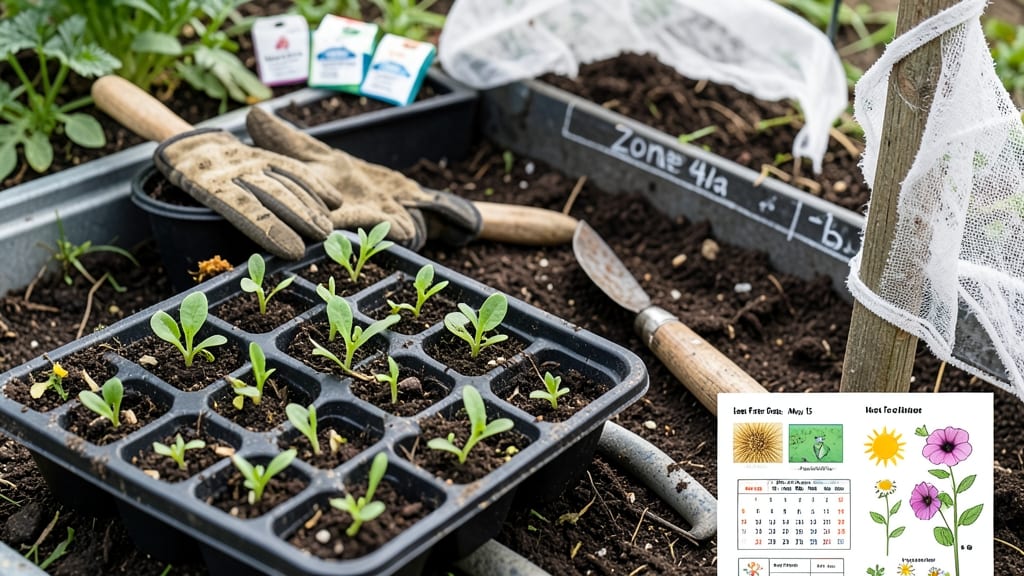
Timing when to plant flower seeds in Minnesota isn’t just about following a calendar—it’s about outsmarting frost dates that can turn your dreams of a vibrant garden into a sad pile of frozen dirt.
Whether you’re dreaming of sunny marigolds or delicate pansies, planting too early or too late can mean the difference between a thriving garden and a wasted seed packet.
I’ve spent years testing the best windows for Minnesota’s USDA Zones 3-5, and the secret isn’t just waiting for the last frost—it’s about knowing the exact weeks before that date when your seeds should hit the soil.
For cool-season blooms, you might start as early as March indoors, while warm-season favorites need to wait until the ground is reliably thawed.
What if you’re unsure whether your zone leans toward early or late frosts? Don’t worry—I’ll break down the month-by-month schedule that works for Minnesota’s unpredictable weather, including which flowers thrive in your specific corner of the state.
From hardy annuals to perennials that bounce back year after year, you’ll learn how to adjust your planting for success.
Ready to transform your garden into a blooming masterpiece? Let’s dive into the precise timing, pro tips, and Minnesota-specific tricks that’ll have your 🌱 flowers thriving from spring to fall—no guesswork required.
Minnesota’s last frost dates by Zone: exact weeks to plant flower seeds for success
Minnesota’s USDA zones 3-7 create a tricky balance for flower seed planting. The last frost date varies dramatically—from May 15 in Zone 3 (northern MN) to June 1 in Zone 7 (southern MN).
These dates determine whether you’ll start seeds indoors 6-8 weeks before or direct-sow outdoors 2-4 weeks before the last frost.
Cool-season flowers like pansies, sweet peas, and calendula thrive when planted 4-6 weeks before last frost, while warm-season beauties such as marigolds, zinnias, and sunflowers need 2-3 weeks after the danger of frost has passed. Missing these windows can mean stunted growth or lost blooms entirely.
Minnesota Flower Seed Planting by Zone
| Zone | Avg. Last Frost | Cool-Season Seeds (Indoor Start) | Warm-Season Seeds (Outdoor Start) | Direct-Sow Window |
|---|---|---|---|---|
| 3 (North) | May 15 | March 15-April 1 | May 15-June 1 | April 15-May 1 |
| 4 (Central) | May 1 | March 1-April 15 | May 1-June 15 | April 1-May 15 |
| 5 (South) | April 25 | February 15-March 15 | April 25-May 30 | March 15-April 15 |
| 6-7 (Southeast) | June 1 | February 1-March 1 | May 15-June 15 | March 1-April 1 |
*Adjust dates 1-2 weeks earlier for microclimates (e.g., urban heat islands) or later for high-elevation areas.
For northern Minnesota (Zones 3-4), I recommend starting cool-season seeds indoors by March 15 to ensure they’re ready for transplanting by May 1. In southern Minnesota (Zones 5-7), you can push indoor starts to February 1 for early blooms, but be cautious—late frosts can still sneak in.
Soil temperature matters just as much as air temperature. Use a soil thermometer to confirm 45°F+ for cool-season seeds and 60°F+ for warm-season varieties. Cold soil delays germination, so don’t rush outdoor planting if the ground is still chilly.
Pro tip: Check the MN State Climatology Office or your local University of Minnesota Extension for real-time frost alerts. Their 30-year averages are a great starting point, but Mother Nature often has other plans.
I’ve learned the hard way that waiting until after May 10 in Zone 4 is safer than trusting the calendar!
If you’re in a transition zone (e.g., Zone 4B), consider staggered planting. Sow a portion of seeds 2 weeks before and another 2 weeks after your target date to extend your blooming season.
This works especially well for cosmos, sunflowers, and black-eyed Susans, which are forgiving if transplanted.
For perennials like coneflowers or daylilies, direct-sow seeds 2-3 weeks before last frost in well-drained soil. These hardy plants establish roots slowly but reward patience with years of blooms. Just remember: perennials hate being transplanted once they sprout, so get the timing right the first time.
Don’t forget about fall planting for biennials like foxgloves or hollyhocks. These need 6-8 weeks of cool weather to germinate, so aim for August 15-September 15 in most of Minnesota. It’s a great way to beat the summer heat and enjoy early spring blooms!
Best flower seeds to plant by month in Minnesota (with frost-resistant picks)
Minnesota’s short growing season means choosing the right flowers for each month is key to a long-lasting bloom. Start with cool-season flowers like pansies and snapdragons in early spring, then transition to heat-loving varieties like zinnias and marigolds as temperatures rise.
The trick? Balance frost tolerance with heat endurance for a garden that thrives all season.
For indoor starts, begin sowing 6-8 weeks before your last frost date—typically mid-March for southern MN and early April for northern regions. Direct sowing can begin as early as late April for hardy annuals, but wait until mid-May for tender varieties.
Always check soil temperatures: aim for 40°F+ for cool-season flowers and 60°F+ for warm-season blooms.
Here’s your month-by-month guide, featuring Minnesota-friendly picks and pro tips for each:
Pro tip: Use succession planting to keep your garden blooming nonstop. For example, sow cosmos every 2 weeks in June for continuous summer color. And don’t forget perennials like coneflowers—they’ll return year after year with minimal effort.
For late bloomers, try Russian sage or sedum, which thrive in Minnesota’s short summers and often last until first frost. Pair them with annuals like snapdragons, which handle light frosts and extend your season.
Always check the seed packet for days to maturity—this tells you exactly when to plant for peak blooms. In Minnesota, aim for flowers to mature 60-90 days before your first frost (typically mid-September in southern MN and early September in the north).