
Flowers
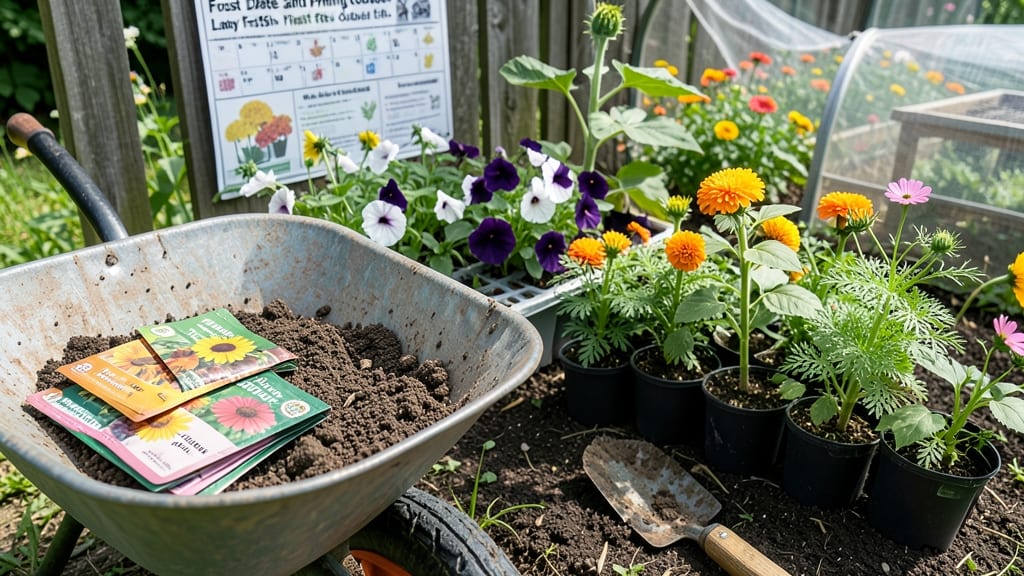
Knowing when to plant flower seeds in Wisconsin can mean the difference between a vibrant garden and a sad, frost-killed disappointment. Wisconsin’s 4b-6a zones bring unique challenges, with last frost dates that vary wildly from Milwaukee’s April 15 to northern areas’ late May.
Get it wrong, and your 🌸 dreams could wilt before they even bloom.
Timing isn’t just about the calendar—it’s about matching each flower’s hardiness to your specific zone. Some varieties, like cold-hardy pansies, can handle Wisconsin’s early springs, while tender marigolds need to wait until soil temperatures rise.
I’ll break down the exact weeks before last frost to plant everything from coneflowers to sunflowers, so you can avoid common mistakes that leave gardeners pulling their hair out.
What if you want to push your garden’s limits? We’ll cover pro tips like using row covers to extend your planting window or starting seeds indoors 4-6 weeks before the last frost.
Whether you’re a seasoned gardener or a first-timer, these strategies will help you maximize your Wisconsin growing season without risking a frost bite.
Ready to transform your yard into a blooming paradise? Let’s dive into the precise planting schedule tailored for your Wisconsin zone, so you can enjoy flowers from spring to fall—without the guesswork. Your garden’s best days start with the right timing.
Wisconsin last frost dates by region: exact weeks before planting flower seeds
Wisconsin’s last frost dates vary dramatically across its USDA zones 3a-5a, meaning your planting timeline depends heavily on where you live. Northern areas like Zone 3a (e.g., Superior) face frost risks until May 15, while southern Zone 5a (e.g., Madison) typically warms up by April 20.
These differences can shift your flower seed planting window by 3-4 weeks, so check your local frost-free date before grabbing those seed packets.
For accurate timing, I recommend using the National Weather Service or your local cooperative extension office. They provide historical frost data tailored to your microclimate—critical for tender annuals like petunias or cold-hardy perennials like coneflowers.
Even within cities, urban heat islands can push last frost dates 1-2 weeks earlier than rural areas.
🌱 Key Rule: Most flower seeds should be planted 2-4 weeks after your average last frost date. Cool-season flowers (e.g., pansies, snapdragons) can handle soil temps as low as 40°F, while warm-season favorites (e.g., marigolds, zinnias) need soil temps above 60°F to germinate reliably.
Wisconsin Planting Timeline by Zone & Flower Type
| Zone & Region | Avg. Last Frost | Cool-Season Flowers (Plant 4-6 wks before last frost) | Warm-Season Flowers (Plant 2 wks after last frost) |
|---|---|---|---|
| Zone 3a (Superior, Hayward) | May 15 | Pansies (Mar 15), Snapdragons (Apr 1) | Marigolds (May 25), Zinnias (Jun 5) |
| Zone 4a (Green Bay, Wausau) | May 1 | Sweet Peas (Mar 1), Lettuce (Apr 15) | Cosmos (May 15), Sunflowers (May 25) |
| Zone 4b (Milwaukee, Appleton) | April 20 | Calendula (Mar 15), Stock (Apr 1) | Petunias (May 10), Nasturtiums (May 15) |
| Zone 5a (Madison, Janesville) | April 10 | Violas (Feb 28), Arugula (Mar 20) | Geraniums (Apr 25), Dahlias (May 10) |
*Adjust dates 1-2 weeks earlier for microclimates (e.g., south-facing slopes, urban areas).
If you’re starting seeds indoors, begin 6-8 weeks before your last frost date. Cold-hardy annuals like lobelia or sweet alyssum can even handle light frost, while tender perennials (e.g., black-eyed Susans) need warmer soil to establish roots quickly.
I’ve found that Zone 4b gardeners often get 3-4 weeks of blooms earlier by starting petunia seeds indoors in February.
For fall planting, aim to sow 6-8 weeks before your first frost date (typically October 15). Cosmos and sunflowers are excellent choices—they self-seed easily and often rebloom next spring if left undisturbed.
Just avoid planting tender annuals like impatiens after August 15, as they won’t survive Wisconsin’s early autumn chills.
Pro tip: Use a soil thermometer to confirm germination-ready temps. Cool-season flowers thrive in 40-60°F soil, while warm-season varieties need 60-70°F. In Zone 3a, I’ve seen marigold seeds rot when planted too early—always wait until soil temps stabilize above 60°F.
Don’t forget about microclimates! A south-facing wall can add 1-2 weeks to your growing season, while low-lying areas may experience late frosts into June. I once lost a $50 batch of zinnia seeds in Zone 4b because I planted them too early near a pond—the radiation
Best flower seed varieties for Wisconsin: planting schedule by bloom time
Wisconsin’s short growing season demands strategic timing—plant cold-hardy annuals like pansies 4-6 weeks before your last frost, while heat-loving petunias need to wait until 2 weeks after the danger has passed. I’ve grouped flowers by bloom season to simplify your planning.
For early spring blooms, prioritize sweet peas and lupines, which thrive in cool soil temperatures (40–50°F). These hardy annuals can handle light frosts and even improve soil nitrogen—a win-win for Wisconsin gardens.
🌱
My go-to cold-hardy annuals include snapdragons (tolerate 28°F) and stock flowers, which add height and fragrance to early-season beds. For Zone 3 gardens (northern WI), avoid tender petunias until mid-May—their roots won’t survive late frosts.
For perennial flowers like coneflowers or black-eyed Susans, direct-sow seeds in early spring (March–April) or late summer (August) for stronger root establishment. These low-maintenance plants reward patience with years of blooms.
🌿
Don’t forget succession planting! Sow fast-growing zinnias every 2–3 weeks from May to July to ensure continuous color until frost. In southern WI (Zone 5a), you can even push cosmos seeds in late June for late-summer blooms.