
Flowers
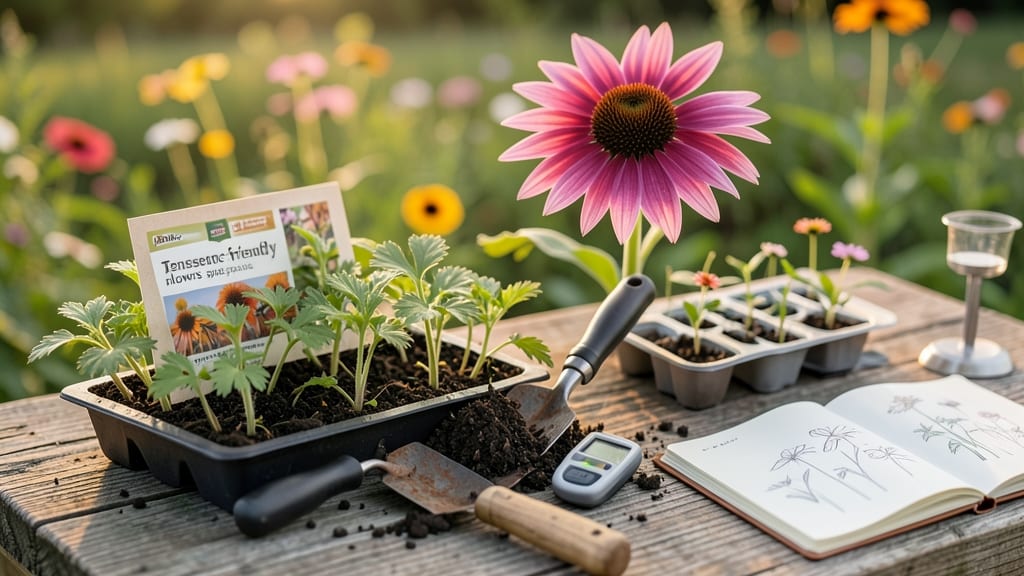
Timing your flower seeds planting in Tennessee isn't just about picking a month—it's about avoiding frost, embracing regional microclimates, and unlocking vibrant blooms from spring to fall.
The 6a-7b zones here mean Nashville's plains and Chattanooga's valleys behave differently, and getting it wrong could leave you with leggy seedlings or stunted growth.
I've spent years watching gardens thrive (and sometimes fail) in Tennessee's shifting seasons, and the key is planting when soil temperatures hit 60°F and frost risk fades.
Whether you're sowing zinnias for summer color or marigolds to deter pests, knowing when to start seeds indoors versus direct-sowing outdoors makes all the difference.
What if you could guarantee zero frost damage while maximizing your blooms? That's exactly what this guide does—breaking down zone-specific timelines so you can plant with confidence. From East Tennessee's cooler highlands to Middle Tennessee's heat, we'll cover everything you need to know for a flourishing garden.
Let's dive into the exact planting windows, regional variations, and pro tips that'll have your 🌸 flower seeds transforming into a showstopping display. Ready to turn your garden dreams into reality?
Tennessee’s flower seed planting zones: when to start indoors vs outdoors
Tennessee spans USDA zones 6b-7b, creating unique planting windows across its three regions. The key to success? Knowing when to start seeds indoors versus direct-sowing outdoors to avoid frost damage.
In Zone 6b (e.g., Knoxville, Chattanooga), last frost typically arrives April 15-30, while Zone 7a (Nashville, Memphis) sees frost-free conditions by March 20-April 10.
For annual flowers like zinnias and marigolds, I start seeds 6-8 weeks before last frost indoors under grow lights. This means February 15-March 1 for most of Tennessee. Perennials, like coneflowers, can handle cooler soils, so I sow them 2-4 weeks before last frost directly outdoors.
Always check soil temperatures—they should hit 60°F+ for reliable germination.
Here’s how timing differs by region: East Tennessee’s higher elevations (Zone 6b) have later frost dates, while West Tennessee’s warmer valleys (Zone 7a) allow earlier plantings. Microclimates matter too—urban Nashville heats up faster than rural areas, creating 5-10 day differences in frost-free windows.
| Region | USDA Zone | Last Frost Date | Indoor Start (Annuals) | Direct Sow Outdoors |
|---|---|---|---|---|
| East TN (Knoxville, Chattanooga) | 6b | April 15-30 | Feb 15 - Mar 1 | April 15 - May 1 (after frost) |
| Middle TN (Nashville, Murfreesboro) | 7a | March 20 - April 10 | Feb 1 - Feb 25 | March 20 - April 1 |
| West TN (Memphis, Jackson) | 7b | March 10 - March 25 | Jan 25 - Feb 15 | March 1 - March 15 |
*Adjust dates 1-2 weeks earlier for urban heat islands (e.g., Nashville downtown).
Pro tip: Use biodegradable seed starters for annuals like petunias—they reduce transplant shock. For heat-loving flowers (e.g., sunflowers, cosmos), wait until May 15+ to direct-sow, as early plantings often bolt in Tennessee’s summer heat. Always harden off seedlings for 7-10 days before moving them outdoors to prevent shock.
For fall-blooming flowers, like asters or chrysanthemums, I start seeds indoors July 1-August 1 for transplanting in September. This ensures blooms before the first frost (October 15-November 1). Use row covers in late summer to extend the season for tender varieties like zinnias.
Remember: Soil temperature trumps calendar dates. Use a soil thermometer—most flower seeds need 60-70°F to germinate. In Zone 6b, I wait until soil hits 65°F before sowing heat-sensitive seeds like snapdragons. For cool-season flowers (e.g., pansies, violas), I plant in September-October for winter color.
Microclimates create localized exceptions. For example, Chattanooga’s valleys warm up 2 weeks earlier than nearby ridges. Observe your yard’s frost patterns for 3+ years to refine your schedule. Start a frost journal to track when frost hits your specific microclimate—this is your best guide for customized planting dates.
If you’re unsure about your zone, check the Tennessee State University Extension’s interactive map. Their data shows Zone 6b-7b covers 95% of the state, but pockets of Zone 5b exist in the highest Appalachian areas. For these zones, delay outdoor sowing by 2-3 weeks to avoid frost damage.
Finally, succession planting extends your bloom time. Sow fast-growing annuals like marigolds every 2 weeks from April to July. This ensures continuous color until frost. Pair this with perennial flowers (e.g., black-eyed Susans) that self-seed—nature’s way of
Best flower seed planting calendar by Tennessee region (with frost-free guarantees)
Tennessee’s three distinct regions—East, Middle, and West—each have unique frost dates and microclimates that dictate the perfect planting windows. For example, Nashville (Zone 7a) typically enjoys its last frost by April 15, while Knoxville (Zone 6b) often waits until April 25.
Planning around these dates ensures your zinnias, marigolds, and petunias thrive without frost damage.
Below is a region-specific planting calendar that aligns with Tennessee’s frost-free windows. Whether you’re sowing directly outdoors or transplanting seedlings, these timelines guarantee vibrant blooms from spring to fall. Always check your local Almanac for year-to-year variations, especially in Zone 6b areas where late frosts are common.
🌸 Tennessee Flower Seed Planting Calendar by Region
| Region | Last Frost Date | Best Time to Start Indoors | Direct Sow Outdoors | Transplant Seedlings |
|---|---|---|---|---|
| East Tennessee (e.g., Knoxville, Chattanooga) | April 15–25 | February–March | April 25–May 10 | April 15–May 5 |
| Middle Tennessee (e.g., Nashville, Murfreesboro) | April 1–15 | February–March | April 15–May 5 | April 1–April 15 |
| West Tennessee (e.g., Memphis, Jackson) | March 20–April 5 | January–February | March 25–April 10 | March 10–March 25 |
*Adjust dates 1–2 weeks earlier for high-altitude areas (e.g., Great Smoky Mountains).
For fall-blooming flowers, like cosmos and black-eyed Susans, aim to sow seeds 8–10 weeks before your first frost. In West Tennessee, this means August 1–15, while East Tennessee gardeners should plant by August 15–30.
These late-season bloomers add color to your garden well into October before winter sets in.
Pro tip: Use row covers or cold frames to extend your planting season in Zone 6b areas. This simple trick can push your last transplant date by 2–3 weeks, giving you more time to enjoy summer annuals like geraniums and impatiens.
Just remove covers when daytime temps reach 70°F to avoid overheating.
Always monitor soil temperatures with a soil thermometer—most flower seeds need 60–70°F to germinate. In Middle Tennessee, soil often hits this threshold by mid-April, while East Tennessee’s cooler soils may lag until late April. Patience here pays off with stronger, healthier plants.
Finally, don’t overlook microclimates in your area. A south-facing slope in Chattanooga might warm up 2 weeks earlier than a north-facing valley. Use these local advantages to your benefit by planting heat-loving flowers like sunflowers and portulaca in warmer microclimates first.