
Flowers
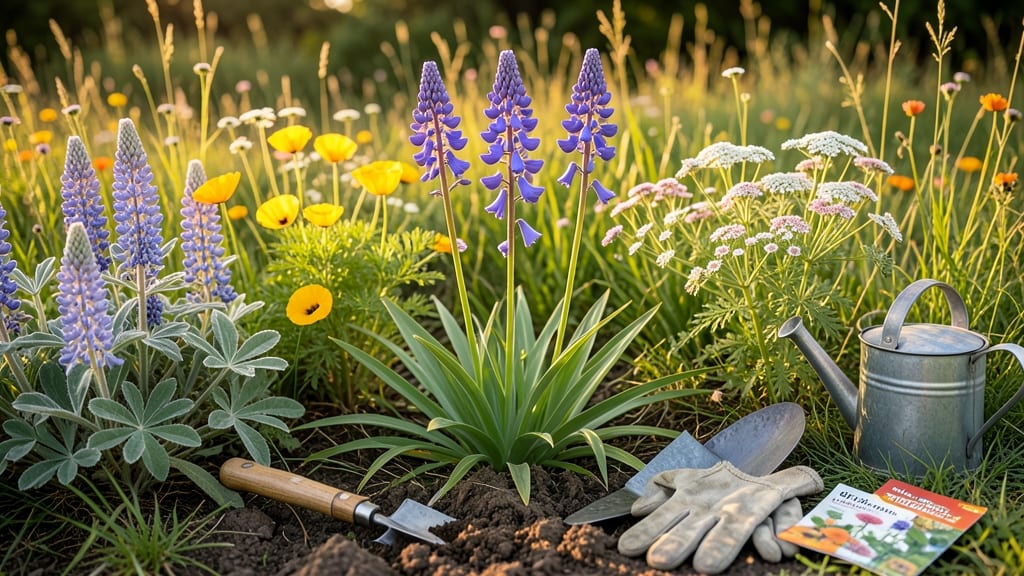
Timing your flowers planting in Portland, Oregon, isn’t just about following a calendar—it’s about reading the city’s unpredictable weather patterns like a pro.
With USDA Zone 8a conditions that swing from chilly coastal breezes to unexpected heatwaves, getting those 🌸 in the ground at the right moment means the difference between a vibrant garden and a sad, wilted disappointment.
Most gardeners here know the late March to early May window is prime for spring planting, but did you know Portland’s microclimates can shift those dates by weeks?
Whether you’re tucked into the city’s urban heat islands or living near the cooler Willamette River, understanding these local nuances is the key to success—especially when you’re dealing with frost-sensitive annuals like petunias or hardy perennials like lavender.
What if I told you the secret to year-round blooms isn’t just about when you plant, but how you adapt?
From soil prep tricks for our famously rainy springs to succession planting hacks for fall color, this guide will help you avoid common mistakes and make the most of Portland’s 165 frost-free days. Let’s dive into the exact timing—and smart strategies—that’ll keep your garden thriving all season.
Whether you’re a first-time gardener or a seasoned pro, mastering these timing tips will transform your flowers into showstoppers. Ready to turn your Portland plot into a blooming paradise? Let’s get started.
Portland’s frost-free planting zones: exact dates for annual flowers by microclimate
Portland’s USDA Zone 8a/8b climate means we enjoy mild winters and long growing seasons, but timing is everything. The average last frost date is April 15, while the first frost typically arrives around October 15.
However, coastal areas like Sauvie Island can experience frost 1-2 weeks later than inland neighborhoods like Hillsboro.
For annual flowers, the sweet spot is late March through early May for spring planting, with a second window in September through early October for fall blooms. Perennials, on the other hand, can handle early spring or fall planting, giving you flexibility to adjust for soil conditions or weather delays.
Here’s how to align your planting with Portland’s microclimates and flower types for maximum success:
| Plant Type | Best Planting Window | Microclimate Notes | Examples |
|---|---|---|---|
| Annuals (Spring) | Late March - Early May | Coastal areas: wait until May 1 for heat-loving varieties. | Petunias, Marigolds, Zinnias |
| Annuals (Fall) | September - Early October | Inland areas: plant by September 15 to avoid early frost. | Pansies, Snapdragons, Cosmos |
| Perennials (Spring) | Early March - Mid-April | Amend soil with compost to improve drainage after winter rains. | Lavender, Coneflowers, Black-Eyed Susans |
| Perennials (Fall) | Late August - Early October | Mulch heavily to protect roots from temperature swings. | Daylilies, Salvias, Russian Sage |
| Bulbs (Spring) | September - October (for spring blooms) | Plant tulips and daffodils 6-8 weeks before ground freezes. | Tulips, Daffodils, Hyacinths |
If you’re planting heat-loving annuals like petunias or geraniums, wait until after May 1 in coastal areas to avoid heat stress. For cool-season flowers such as pansies or snapdragons, start seeds indoors in late July for fall planting.
Portland’s unpredictable heatwaves can also shift planting windows. Monitor your local microclimate—urban areas like downtown Portland can be 5-10°F warmer than rural areas, affecting when you should harden off seedlings.
For container gardening, you can push planting dates slightly earlier or later, as pots warm up faster in spring and retain heat longer in fall. Just ensure your containers have drainage holes to prevent root rot from Portland’s wet winters.
Pro tip: Use frost cloth or row covers to extend your planting season by 2-3 weeks in spring or fall. This is especially useful for tender perennials like lavender or rosemary.
Always check the 7-day forecast before planting—Portland’s sudden cold snaps in May or unseasonable warmth in October can throw off even the best-laid plans. When in doubt, opt for native plants like Oregon grape or yarrow, which thrive in our variable conditions.
How Portland’s rainy season affects flower planting: soil prep and drainage hacks
Portland’s rainy springs can turn your flower beds into soggy messes if you’re not prepared. Unlike drier climates, our wet winters and mild springs mean soil stays damp longer, which can suffocate roots or wash away nutrients.
The key is preparing your soil before planting—not after—so your flowers establish strong roots instead of struggling in waterlogged conditions.
I’ve learned the hard way that amending soil before the first rains (typically in late February to early March) is critical. Adding compost or aged manure improves drainage while retaining moisture, creating the perfect balance for Portland’s USDA Zone 8a conditions.
For container gardens, which drain faster, mix in perlite or coconut coir to prevent compaction.
🌱 Native flowers like yarrow or sword ferns handle our wet springs better than non-natives, but even they need well-draining soil. If your garden sits in a low spot where water pools, consider raised beds or swales to redirect excess moisture.
My urban plot near the Willamette River floods every spring, so I built a French drain to keep roots happy.
🌿 Native vs. Non-Native Flowers for Portland’s Wet Soil
Native Flowers
- Pros: Thrives in wet soil, drought-tolerant once established
- Cons: Slower growth, limited color options
- Examples: Oregon grape, blanket flower
Non-Native Flowers
- Pros: Faster blooms, wider variety
- Cons: Needs better drainage, may rot in winter
- Examples: Petunias, impatiens (avoid in winter)
Mulching is another game-changer for Portland gardens. A 3-inch layer of cedar chips or straw insulates roots from temperature swings and slows evaporation during our dry summer months.
Just avoid piling mulch against stems—it can trap moisture and cause rot. I use shredded bark around my lavender bushes, which hate soggy feet but love the insulation.
For container gardening, which is perfect for Portland’s urban spaces, ensure pots have drainage holes and use a lightweight potting mix. Terracotta pots dry out faster than plastic, but they’re heavier—so if you’re on a balcony, opt for fabric grow bags.
My balcony petunias thrive in these because they breathe better than plastic and prevent root rot during our damp springs.
Finally, don’t forget to test your soil’s pH—Portland’s acidic soil (often pH 5.5–6.5) can stunt growth if too low. Amend with lime for acid-loving plants like azaleas or sulfur for alkaline-loving flowers like snapdragons. A simple $10 soil kit from your local nursery will save you from guesswork.
With these soil prep hacks, your flowers will take root faster and bloom longer, even in Portland’s wettest months. The secret? Work with the weather, not against it. 🌧️