
Flowers
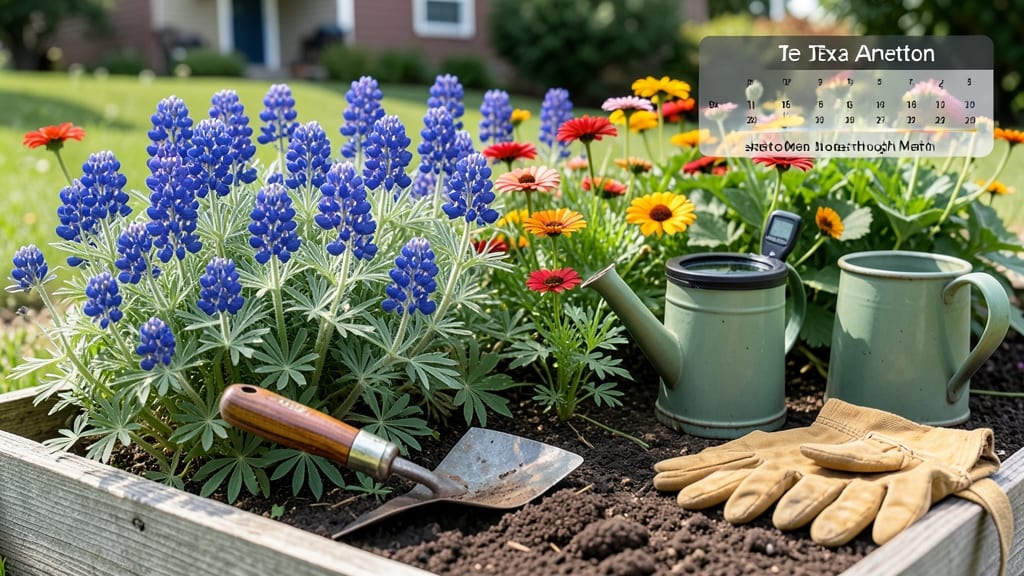
Timing when to plant flowers in San Antonio just right can mean the difference between a lush, blooming garden and a sad, wilted mess—especially when summer heat arrives faster than you expect.
The key is planting during the cooler months when soil temperatures drop below 85°F, giving your flowers the best chance to establish strong roots before the brutal Texas sun hits.
Most gardeners in USDA Zone 8b know the ideal window runs from September through March, but even that can feel risky if you’re not prepared.
Whether you’re planting heat-loving annuals like Lantana or delicate perennials like Blackfoot Daisy, getting the timing wrong can lead to bolting—or worse, flowers that never even make it past seedling stage.
I’ve spent years testing what works in San Antonio’s unpredictable climate, and the secret isn’t just picking the right flowers—it’s knowing exactly when to put them in the ground.
From avoiding early heatwaves to adjusting for late freezes, this guide will help you skip the guesswork and create a garden that thrives all season long.
Ready to transform your yard into a zero-bolt paradise? Let’s break down the best planting months for every type of flower, plus pro tips to keep them blooming even when temperatures soar. Your future self—and your garden—will thank you.
San Antonio heat-zone planting calendar: best months by flower type
San Antonio’s USDA Zone 8b/9a climate means your flower planting window is short but sweet—focus on fall and winter months to avoid the brutal 100°F+ summers that trigger bolting.
The key is planting when soil temps drop below 85°F, typically after mid-September, and finishing before the first frost (Dec 15) for tender varieties.
Native bluebonnets and Mexican petunias love San Antonio’s mild winters, while zinnias and lantana can handle summer heat if planted early. Perennials like black-eyed Susans establish roots in fall for spring blooms, while annuals thrive when sown in September-October for winter/spring color.
Here’s your heat-zone planting timeline broken down by flower type, with bolt-risk warnings for summer-sensitive varieties:
| Flower Type | Best Planting Window | Heat Tolerance | Bolt Risk | Notes |
|---|---|---|---|---|
| Annuals (Zinnias, Marigolds, Petunias) | Sep-Oct (spring blooms) or Feb (summer blooms) | Moderate-High | High in summer | Plant in partial shade for summer; mulch heavily. |
| Perennials (Black-Eyed Susans, Coneflowers) | Sep-Oct (establish roots) | High | Low | Drought-tolerant; no summer watering needed. |
| Bulbs (Daffodils, Tulips) | Oct-Nov (before first frost) | Low | None | Plant in well-draining soil; spring blooms. |
| Native Wildflowers (Bluebonnets, Mexican Petunias) | Sep-Oct (rainy season) | Very High | None | Zero maintenance; drought-proof once established. |
| Summer Heat-Tolerants (Lantana, Portulaca) | Feb-Mar (after last frost) | Extreme | None | Full sun required; water deeply 2x/week. |
Pro tip: Use a soil thermometer to confirm temps below 85°F before planting—this prevents seedling shock. For summer-sensitive annuals, start seeds indoors in January and transplant after March 15 when nights cool.
San Antonio’s fall rains (Sept-Oct) are perfect for seeding—just avoid waterlogged soil, which causes rot. For container gardens, extend your season by planting heat-lovers like portulaca in March for summer color without bolting risks.
Remember: Perennials planted in fall (like salvias) establish deeper roots and bloom 2x bigger the next spring. Skip summer planting unless you’re committed to shade cloth and daily watering—most flowers will bolt or wilt.
🌱 Key takeaway: Fall = best time for most flowers in San Antonio. Winter = safe zone for cold-hardy varieties. Summer = only for heat-proof picks like lantana.
How to adjust planting times for San Antonio’s unpredictable weather patterns
San Antonio’s weather can be as unpredictable as a Texas politician’s promises—one minute it’s a 95°F heatwave, the next a 30°F freeze. To avoid bolting or frost damage, I’ve learned to read the microclimates and adjust planting times like a pro.
Start by checking soil temperatures with a thermometer; aim for 60-65°F for cool-season flowers and 70-80°F for heat-lovers like Lantana.
If you’re planting in August or early September, monitor early morning temps. A sudden heatwave above 90°F can shock seedlings, so use shade cloth or delay until evening.
For spring plantings in March or April, watch for late frosts—cover tender flowers with frost blankets if temps dip below 32°F.
⚠️ Warning: Late Freezes & Heatwaves
San Antonio’s last frost often hits February 15, but March freezes can still occur. For summer heatwaves, soil temps can exceed 100°F—plant heat-tolerant varieties like Portulaca or Zinnias to avoid bolting. Use mulch to regulate soil temps and drip irrigation to keep roots cool.
Pro Tip: Container gardens give you flexibility to move plants to shadier spots during heatwaves or warmer microclimates (like near south-facing walls) for early spring starts.
For container gardening, I swear by self-watering pots to handle unpredictable rainfall. San Antonio’s summer droughts can dry soil in hours, so group containers together to create a humidity microclimate.
If you’re planting bulbs in fall, choose varieties like Mexican Poppies that tolerate dry spells—they’ll pop up even after light frosts.
Another trick? Stagger your plantings every 2-3 weeks from September to November to ensure continuous blooms. This way, if one batch bolts from early heat, another will take its place.
For spring plantings, start heat-tolerant annuals indoors in March and harden them off before mid-April to beat the rush.
Don’t forget to test your soil’s pH—San Antonio’s calcareous soil (pH 7.5-8.5) can stunt acid-loving plants like Hydrangeas. Amend with peat moss or sulfur if needed, and always water deeply after planting to encourage root growth before summer’s brutal heat sets in.
With these adjustments, you’ll outsmart San Antonio’s weather and enjoy blooms from spring to fall—no sad, wilted memories here! 🌿