
Flowers
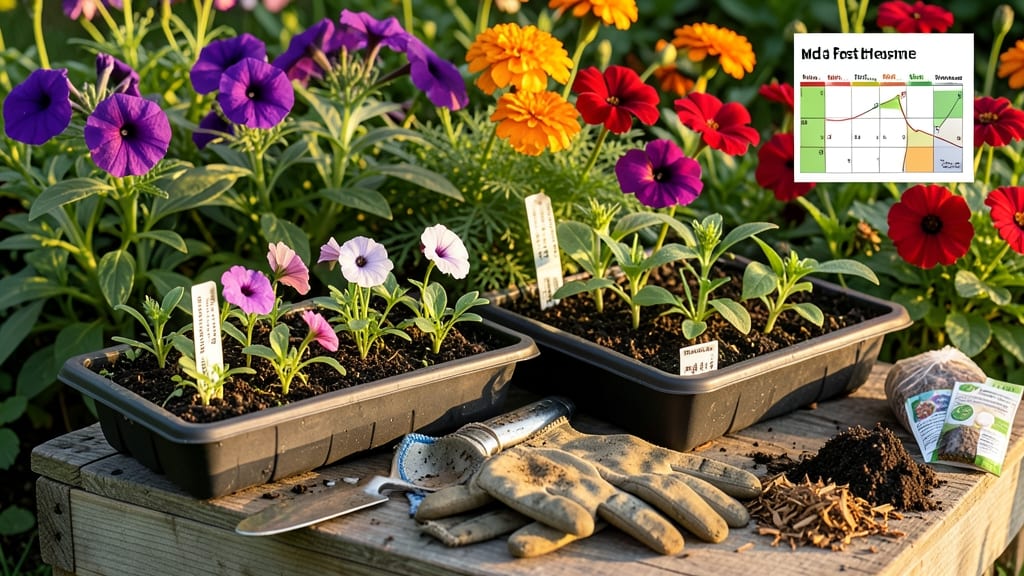
Timing when to plant flowers in New Hampshire can feel like a high-stakes game of chance—one wrong move, and Mother Nature’s unpredictable frost will steal your blooms before they even open.
But here’s the good news: with the right schedule, you can beat the odds and enjoy vibrant gardens from spring through fall.
New Hampshire’s diverse microclimates—from coastal areas to mountain valleys—mean frost dates vary by hundreds of days. Whether you’re planting hardy perennials or delicate annuals, knowing your zone (USDA 3b-5a) is the key to success.
I’ll break down the exact months to plant, so you can avoid common pitfalls and extend your blooming season.
From cold-resistant bulbs in early spring to late-season containers that brave fall frosts, this guide covers it all. You’ll discover which flowers thrive in NH’s short growing season and how to protect them when temperatures drop unexpectedly.
Ready to transform your garden into a year-round paradise? Let’s dive into the month-by-month planting plan that actually works for New Hampshire’s climate.
New Hampshire’s frost dates by region: critical planting windows for flowers
New Hampshire’s diverse geography creates microclimates with frost dates that can vary by 2-3 weeks between regions. Coastal areas like Portsmouth typically see last spring frosts around May 10-15, while mountainous zones like the White Mountains may experience frost until June 1-10.
Understanding these variations is key to avoiding frost damage on tender seedlings.
For annual flowers, timing matters most—plant too early and a late frost will kill them, too late and you’ll miss peak blooms. Perennials, however, are more forgiving since they establish roots before winter.
The USDA Hardiness Zones 3b-5a in NH mean some flowers thrive where others fail, so choosing the right varieties for your zone is just as critical as planting dates.
Here’s how to use frost dates to plan your flower garden calendar with confidence:
Use your region’s last frost date as your guide for planting warm-season annuals like marigolds or zinnias.
For cool-season flowers such as pansies or snapdragons, you can start seeds indoors 6-8 weeks before your last frost date. Perennials like coneflowers or black-eyed Susans can handle being planted as early as April in most zones, giving them time to establish before summer heat arrives.
Pro tip: Check the NH Agricultural Experiment Station’s frost data (updated annually) for real-time adjustments. Their records show that late spring frosts occur about once every 5 years in Zone 5a, so planning for a 2-week buffer after your average last frost date adds safety for heat-loving flowers like petunias.
For container gardening, you can push planting dates by 1-2 weeks since pots warm up faster and can be moved to sheltered spots during cold snaps. Just be prepared to cover plants with frost cloth if temperatures dip below 32°F after planting.
Remember that first fall frosts also dictate when to plant bulbs like tulips or daffodils. In NH, aim to get them in the ground 6 weeks before your first frost—typically by September 15 in most regions. This gives roots time to establish before winter dormancy.
If you’re unsure about your exact frost dates, use local garden centers as a resource. They often track frost data for their supply areas and can recommend NH-tested varieties that thrive in your microclimate.
For example, bearded iris performs exceptionally well in Zone 4b, while daylilies handle Zone 3b’s harsher winters.
Start with one or two test beds of frost-sensitive flowers like geraniums or impatiens, and monitor their progress. This hands-on approach helps you fine-tune your planting schedule year after year.
With practice, you’ll develop an instinct for when your garden is truly frost-free—and your flower beds will thank you with longer, more vibrant blooms.
Best flowers to plant each month in New Hampshire for year-round color
New Hampshire’s short growing season doesn’t mean you have to settle for a few weeks of blooms. By strategically planting flowers each month, you can create a garden that bursts with color from early spring through late fall.
The key is choosing cold-hardy varieties for early plantings and heat-tolerant flowers for summer.
For March and April, focus on cold-resistant bulbs like daffodils and crocuses, which can handle NH’s chilly soils. These early bloomers signal the end of winter and thrive in USDA zones 3-5. Pair them with hardy perennials like heuchera and lamium, which tolerate light frosts.
Here’s my month-by-month breakdown of the best flowers to plant for continuous color, along with pro tips to maximize blooms:
For continuous blooms, use the succession planting trick: sow small batches of cosmos or zinnias every 2-3 weeks in summer. This ensures fresh flowers when others fade. In containers, mix pansies with calendula for a low-maintenance, long-lasting display.
Don’t overlook perennial workhorses like daylilies and bee balm, which return year after year with minimal care. These thrive in NH’s climate and fill gaps between seasonal plantings. For mountain regions (USDA zone 3b), choose extra-hardy varieties like Russian sage or catmint.
Pro tip: Mark your calendar for late May—this is the safest time to plant tender annuals like petunias after the last frost. If you’re unsure about frost dates, opt for biennials like foxgloves, which self-seed reliably in NH’s climate.