
Trees
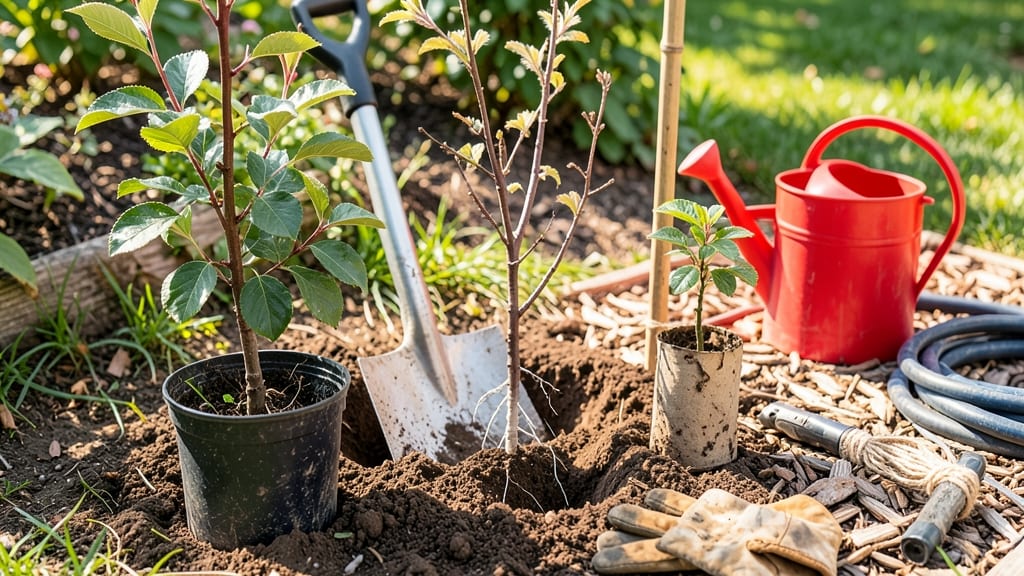
Timing your fruit tree planting in British Columbia can make or break your harvest—get it wrong, and you risk frost damage or stunted growth, but nail it, and you're setting up years of juicy 🍎🍐🍑 rewards.
BC's climate zones (from Vancouver's mild coastal air to the Interior's chilly winters) mean there's no one-size-fits-all answer. The key is understanding your local frost dates and choosing the perfect window—whether that's late winter's dormancy or fall's cooler soil.
I'll walk you through the ideal months for each zone, plus variety-specific tips (apples love early spring, while peaches thrive with fall planting). Let's make sure your fruit trees get off to the perfect start.
Whether you're in Vancouver's 7-8 zone or the Interior's cooler 4-6, knowing when to plant could mean the difference between a thriving orchard and a sad, struggling sapling.
Best planting months for fruit trees in BC by climate Zone
British Columbia’s diverse climate—from coastal mildness to interior cold snaps—means fruit trees thrive at different times depending on where you live. Coastal regions like Vancouver and Victoria have longer frost-free seasons, while the Interior (Kelowna, Kamloops) faces earlier freezes.
Timing your planting right ensures strong root establishment before winter dormancy.
For coastal BC (Zones 7-9), the best window is September through October for container-grown trees or March to early April for bare-root varieties. In the Interior (Zones 4-6), plant late April to May to avoid late frosts, or early September for fall planting.
Northern regions like Prince George (Zone 5b) should wait until May to plant, as earlier attempts risk frost damage.
Last frost dates are critical—coastal areas typically see their final frost around mid-March (Victoria) to mid-April (Vancouver), while the Interior averages late May (Kelowna). Planting 4-6 weeks before your region’s last frost gives roots time to establish before summer heat.
Here’s how BC’s three main climate zones break down for fruit tree planting:
| Climate Zone | Best Planting Months | Last Frost Date | Key Considerations |
|---|---|---|---|
| Coastal (Vancouver, Victoria) | September–October (fall) or March–April (spring) | Mid-March to mid-April | Mild winters; avoid wet soils in fall |
| Interior (Kelowna, Kamloops) | Late April–May (spring) or early September (fall) | Late May | Short growing season; use cold-hardy varieties |
| Northern (Prince George) | May (spring only) | Early June | Long winters; prioritize dwarf varieties |
In coastal areas, fall planting (September–October) is ideal because cooler temperatures reduce transplant shock, and roots establish before winter.
For Interior regions, spring planting (late April–May) aligns with soil warming, while fall planting risks early frosts. Northern BC gardeners should focus solely on spring planting to avoid the harsh winter conditions.
Choose bare-root trees for spring planting—they’re dormant and easier to establish. For fall planting, opt for container-grown trees, which handle transplanting better in cooler weather. Always check the root flare (where roots meet trunk) to ensure it’s 2-3 inches above soil level after planting.
Soil preparation is just as critical as timing. Amend heavy clay soils with compost or sand to improve drainage, and test pH—most fruit trees prefer 6.0–7.0. Mulch with wood chips or straw to retain moisture and regulate soil temperature, especially in the first growing season.
Pro tip: If planting in frost pockets (low-lying areas where cold air settles), avoid varieties like peaches or nectarines, which are frost-sensitive. Instead, choose apples or pears, which handle cooler microclimates better. Always monitor your local frost-free date and adjust planting accordingly.
🌱
Fruit tree varieties and their ideal planting times in BC
British Columbia’s diverse climate means your choice of fruit tree variety directly impacts the best planting time. For example, apples and pears thrive when planted in early spring (March-April), while peaches and plums prefer fall planting (September-October) to establish roots before winter.
Let’s break down the ideal timing for each popular variety in BC.
In milder coastal zones like Vancouver (Zone 7-8), you can plant bare-root trees as early as February, but wait until April in cooler Interior regions (Zone 4-6). For container-grown trees, fall planting works well across all zones, giving roots time to settle before frost.
🌱 Apples and Pears (e.g., Honeycrisp, Bartlett): Plant in March-April—these trees need time to establish before summer heat. In Vancouver Island, you can extend planting to May due to later frost dates.
🍎🌳 Variety-Specific Planting Guide for BC
Best Months
March-April
Best Months
September-October
Best Months
September-October
Best Months
March-April
Best Months
September-October
Best Months
March-April
Note: Stone fruits (peaches, plums, cherries) need fall planting to avoid late spring frosts. Pome fruits (apples, pears) handle spring planting better.
For stone fruits like cherries and peaches, fall planting is critical—their roots establish before winter, giving them a head start in spring. In Kelowna’s Zone 5, aim for September planting to avoid early frost risks.
Meanwhile, apples planted in March in Vancouver benefit from warmer soil and fewer frost threats.
🌿 If you’re unsure about your local frost dates, check Environment Canada’s frost maps or ask your local nursery. They’ll know whether your area leans toward early spring or late fall planting.
For example, Victoria’s Zone 8 allows for November plantings, while Prince George’s Zone 4 demands April timing.
Pro tip: Container-grown trees give you more flexibility—they can be planted in fall or spring, but avoid planting when the ground is frozen. If you’re in doubt, spring planting is the safest bet for most BC varieties.