
Planting
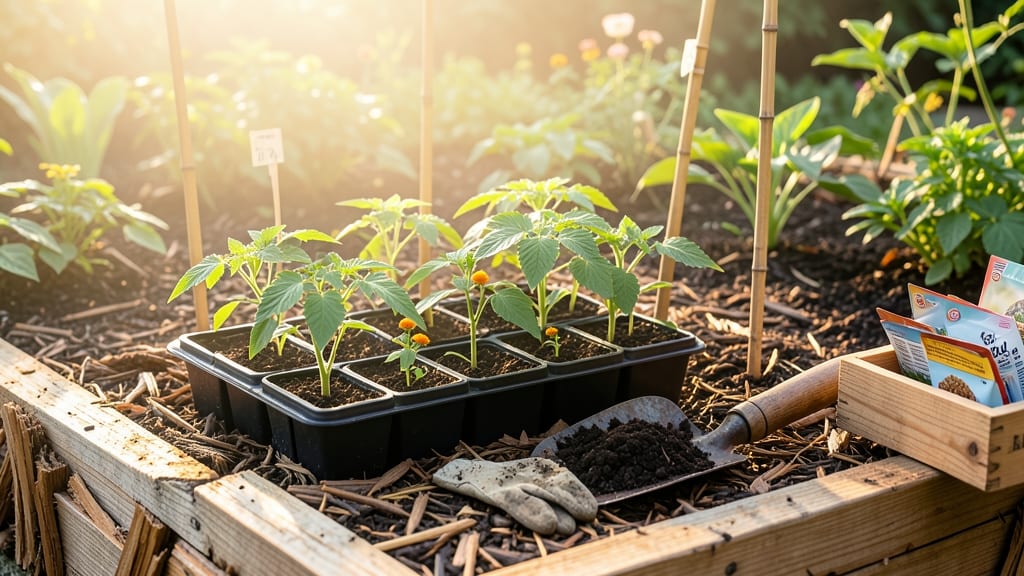
Timing your garden planting in Tennessee isn’t just about following a calendar—it’s about beating frost, embracing regional microclimates, and unlocking peak harvests for your 🌱 favorites.
Whether you’re in the mountains of East Tennessee or the warmer valleys of West Tennessee, planting too early can mean wilted seedlings, while waiting too long might shrink your yields. The key?
Knowing your last frost date—typically around March 15 but shifting by weeks depending on your zone—and adjusting for crops like tomatoes that crave warmth or spinach that thrives in cooler soil.
I’ll break down the exact planting windows for your region, from cool-season staples to heat-loving veggies, so you can start strong in March–May and again in August–September for a fall bounty.
Ready to turn your Tennessee garden into a high-yield powerhouse? Let’s dive into the science—and the secrets—behind planting on time, every time.
Tennessee’s last frost dates by region: key planting windows for vegetables & flowers
Tennessee’s three distinct regions—East, Middle, and West—each have unique last frost dates that dictate when to plant your garden. In the Appalachian Mountains (East TN), expect frost until April 15, while West Tennessee (Memphis area) typically sees its last frost by March 15.
Middle Tennessee (Nashville) falls somewhere in between, with March 30 as the average last frost date.
These variations mean your cool-season crops like spinach and broccoli should go in the ground 4-6 weeks before your region’s last frost date. Meanwhile, warm-season plants such as tomatoes and peppers need to wait until two weeks after the last frost to avoid cold damage.
Understanding these timelines is key to avoiding frost damage and maximizing your harvest.
Here’s a quick reference for last frost dates across Tennessee’s regions, along with ideal planting windows for both cool-season and warm-season crops:
| Region | Last Frost Date | Cool-Season Planting Window | Warm-Season Planting Window |
|---|---|---|---|
| East Tennessee (e.g., Knoxville, Chattanooga) | April 15 | March 1 – April 15 | May 1 – May 15 |
| Middle Tennessee (e.g., Nashville, Murfreesboro) | March 30 | February 15 – March 30 | April 15 – April 30 |
| West Tennessee (e.g., Memphis, Jackson) | March 15 | January 15 – March 15 | March 30 – April 15 |
For East Tennessee gardeners, this means you can start planting cool-season crops like lettuce and peas as early as March 1, while West Tennessee gardeners can begin even earlier, around January 15.
However, always double-check with your local Cooperative Extension Service for microclimate adjustments, as valleys and higher elevations can experience frost 2-3 weeks later than surrounding areas.
If you’re growing warm-season vegetables such as tomatoes, peppers, or squash, wait until the soil temperature reaches at least 60°F before transplanting seedlings. In East Tennessee, this typically aligns with May 1, while West Tennessee can start as early as March 30.
Use a soil thermometer to confirm readiness—cool soil can stunt growth and delay harvests.
For flowers like marigolds or zinnias, you can often plant after the last frost date, but some varieties, like petunias, thrive when started indoors 6-8 weeks before the last frost. This gives you a head start on the growing season and ensures vibrant blooms all summer long.
Pro tip: Use row covers or cold frames to extend your planting window for cool-season crops in regions with later last frosts. This can push your harvest timeline by 2-3 weeks, giving you an earlier taste of fresh produce like spinach or radishes.
Remember, Tennessee’s first frost typically arrives between November 1 and November 15, depending on the region. This means you can still plant fall crops like kale, carrots, or broccoli in August or early September for a late-season harvest. Just be sure to choose frost-tolerant varieties to avoid damage.
By aligning your planting schedule with these regional frost dates, you’ll set your garden up for success—whether you’re growing vegetables, flowers, or herbs. Next, we’ll explore how to adjust planting times for Tennessee’s unpredictable weather patterns to further protect your plants.
How to adjust planting times for Tennessee’s unpredictable weather patterns
Tennessee’s weather can throw curveballs—one week might feel like spring, while the next brings a surprise frost. To protect your tomatoes, peppers, and greens, I’ve learned to adjust planting times using simple but effective strategies.
The key? Extending seasons with tools like row covers and choosing heat-tolerant varieties that thrive in Tennessee’s fluctuations.
Start by calculating your safe transplant dates by adding 2 weeks to your last frost date. For example, if frost typically ends around March 15 in your area, wait until March 30 to plant warm-season crops like squash or beans.
This buffer accounts for late frosts that can still sneak in, especially in the Appalachian foothills.
- 🌡️ Use a 3-step risk assessment for high-value crops: Check 7-day forecasts before transplanting peppers or eggplants. If nighttime temps dip below 50°F, delay planting or use row covers.
- ☀️ Opt for heat-tolerant varieties like 'Solar Fire' tomatoes or 'Arkansas Traveler' okra, which handle Tennessee’s 90°F+ summers better than traditional types.
- 🌱 Start cool-season crops indoors 4-6 weeks before your last frost date. This gives lettuce and spinach a head start, so they’re ready to harvest before summer heat sets in.
For late-summer heatwaves, focus on shade-loving crops like bush beans or malabar spinach, which tolerate Tennessee’s humid afternoons. If you’re growing tomatoes, stake them early and prune aggressively to improve airflow—this reduces blossom-end rot, a common issue in our clay-heavy soils.
Another trick? Plant a succession crop every 2 weeks. For instance, sow radishes in early April, then again in mid-May. This ensures a steady harvest even if the first planting gets hit by unexpected heat or drought.
Just keep an eye on your soil moisture—Tennessee’s summer droughts can turn a thriving garden into a crispy one overnight.
Don’t forget about fall planting. In West Tennessee, you can often squeeze in a second crop of kale or carrots by mid-August. Use a cold frame to buy extra time, especially in USDA Zone 7b areas.
And if you’re in the mountains, aim for September 1 as your cutoff—any later, and frost will catch you off guard.
With these adjustments, you’ll turn Tennessee’s unpredictable weather into an advantage. Your garden will stay productive, your plants will thrive, and you’ll avoid the heartbreak of frost-nipped seedlings or wilting tomatoes in August’s heat. Happy planting! 🌱