
Planting
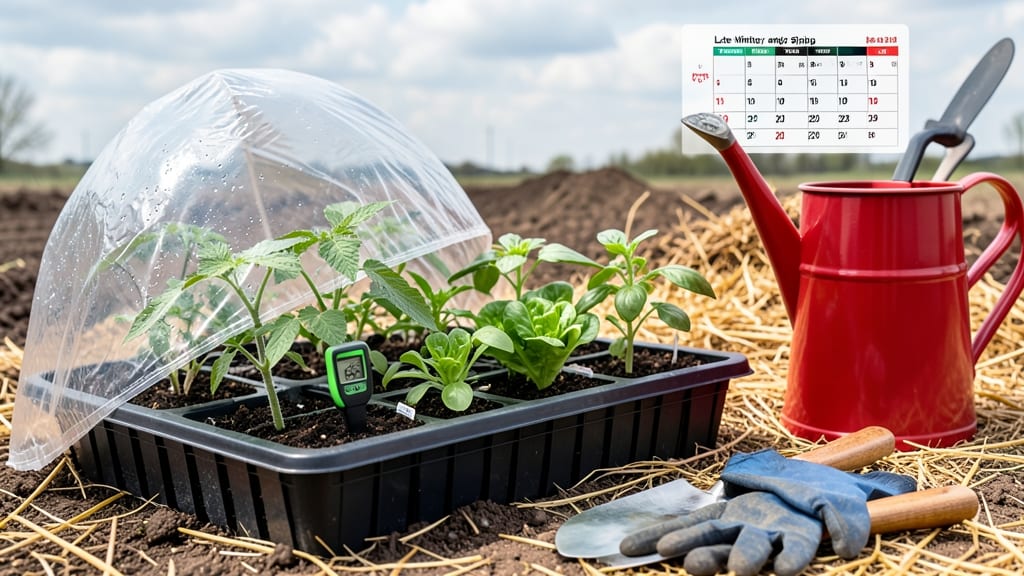
Timing your Zone 7 garden right can mean the difference between a bountiful harvest and wasted effort—because planting too early risks frost damage, while waiting too long might miss peak growing seasons. The key isn’t just knowing the average last frost date (around March 15), but understanding how microclimates and plant types play into your schedule.
Whether you're growing 🌱 General Garden Plants like tomatoes, herbs, or flowers, getting the timing down to the week matters. In Zone 7, warm-season crops like peppers and cucumbers need to wait until after the last frost, while cool-season greens can handle early spring plantings.
But here’s the catch: unpredictable weather can throw off even the best-laid plans.
I’ll break down the exact planting windows you need—from cool-season staples in March to warm-season favorites in May—so you can avoid common mistakes and maximize your garden’s potential. No more guessing whether your seedlings are ready or if that late frost will ruin your hard work.
Ready to transform your garden from "hopeful experiment" to "proven success"? Let’s dive into the precise timing and strategies that work for Zone 7’s unique climate.
Zone 7 frost dates by plant type: exact last-frost timing for vegetables, flowers, and herbs
Understanding Zone 7 frost dates is the foundation of successful gardening in this region. The average last frost date hovers around April 15, but this can vary by 1-2 weeks depending on your specific location within Zone 7.
For example, urban areas like Atlanta or Charlotte tend to warm up faster than rural spots in West Virginia or Kentucky. Always check your local microclimate—valleys and low-lying areas stay colder longer, while south-facing slopes warm up earlier.
Your planting strategy should revolve around these critical dates:
- Last frost date: April 15 (but confirm locally)
- Safe planting window for warm crops: May 1–15
- First frost date: November 15 (plan fall crops accordingly)
For cool-season crops like spinach, peas, and lettuce, start seeds 4-6 weeks before your last frost date. This means mid-February to early March for most Zone 7 gardeners. These plants thrive in cooler temperatures (40–70°F) and can even handle light frosts.
In contrast, warm-season crops such as tomatoes, peppers, and cucumbers need to wait until the soil reaches at least 60°F, typically 2-3 weeks after your last frost date.
| Plant Type | Planting Window | Soil Temp Requirement | Notes |
|---|---|---|---|
| Cool-Season Veggies (Spinach, Peas, Lettuce) | Feb 15–Mar 15 | 40–60°F | Tolerates light frost; harvest before bolting. |
| Warm-Season Veggies (Tomatoes, Peppers, Cucumbers) | May 1–15 | 60°F+ | Use row covers for early starts; avoid frost. |
| Herbs (Basil, Cilantro, Dill) | Mar 1–Apr 15 (cool) / May 15–Jun 1 (warm) | 50–75°F | Basil hates frost; cilantro bolts in heat. |
| Flowers (Marigolds, Petunias, Zinnias) | Apr 15–May 15 (transplants) / May 1–Jun 1 (seeds) | 55–70°F | Petunias need warm soil; marigolds deter pests. |
| Perennials (Daylilies, Coneflowers, Lavender) | Mar 15–Apr 30 | 50–65°F | Plant early for root establishment; mulch after planting. |
For flowers, timing varies widely. Marigolds and zinnias are hardy and can handle light frosts, making them ideal for early spring plantings (late March to early April).
However, petunias and geraniums need warmer soil, so wait until mid-May to transplant them. Perennials like daylilies and coneflowers should be planted in early spring (March–April) to give their roots time to establish before summer heat arrives.
Pro tip: Use a soil thermometer to confirm soil temperatures before planting warm-season crops. If your soil is still below 60°F in early May, delay planting or use black plastic mulch to warm it faster. This simple tool can save your tomato seedlings from stunted growth or even death.
Don’t forget about fall planting, which is just as critical in Zone 7. Many cool-season crops like kale, broccoli, and radishes can be sown as late as August 15–September 1 for a
How to adjust planting times for Zone 7’s unpredictable spring weather
Zone 7’s spring weather is famously unpredictable—one day it’s 60°F and sunny, the next it drops back to 32°F with frost. This variability forces gardeners to adapt or risk losing seedlings to late frosts.
The key is flexible timing and protective strategies that let you plant early without gambling on Mother Nature’s whims.
Start by monitoring your local frost dates (not just averages). While the average last frost in Zone 7 is around April 15, microclimates—like urban heat islands or low-lying areas—can shift this by 1–2 weeks.
Use a soil thermometer to confirm when the ground reaches 50°F, the ideal temperature for warm-season crops like tomatoes and peppers to thrive.
Here’s how I adjust my planting schedule to account for Zone 7’s temperature swings. First, I group plants by their cold tolerance. Cool-season crops (spinach, peas, lettuce) can handle light frosts, so I plant them 4–6 weeks before the last frost.
For warm-season crops (tomatoes, cucumbers, basil), I wait until 2–3 weeks after the last frost—or use protective measures to extend the window.
-
Step 1: Harden Off Seedlings
Acclimate seedlings to outdoor conditions over 7–10 days by gradually exposing them to wind and cooler temps. Start with 2 hours/day and increase to full sun. -
Step 2: Use Row Covers or Cold Frames
Protect tender plants with floating row covers or mini greenhouses. These raise soil temps by 5–10°F and shield against light frosts (28–32°F). -
Step 3: Plant Frost-Tolerant Varieties
Choose cold-hardy hybrids like ‘Early Girl’ tomatoes or ‘Cold-Set’ cucumbers. These can survive brief dips to 30°F once established.
Another trick I swear by is succession planting. Instead of planting all your bush beans or carrots at once, stagger them every 2 weeks until June 1. This ensures a continuous harvest and reduces the risk of losing an entire crop to a late frost.
For example, I plant half my lettuce seeds in March and the rest in late April—this way, I get two harvests instead of one.
Don’t overlook soil preparation as a way to speed up planting. Amend your soil with compost or aged manure in early spring to improve drainage and warmth retention. Warmer soil = faster germination for seeds like peppers, which struggle in cold, wet conditions.
I also avoid working wet soil, as compaction slows root growth and makes plants more vulnerable to frost damage.
Finally, keep an eye on the 10-day forecast before committing to outdoor planting. If a hard freeze (28°F or below) is predicted, move potted plants under a porch light or into an unheated garage.
For in-ground plants, cover them with blankets or cardboard to insulate the soil. With these adjustments, you can safely plant 2–3 weeks earlier than the average last frost date.