
Companion Plants
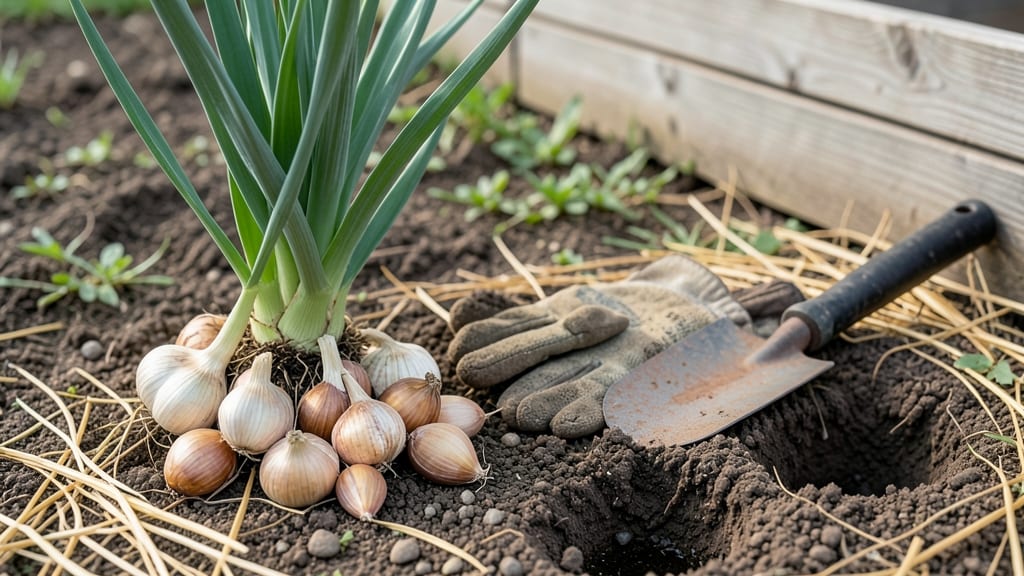
If you’ve ever planted garlic in Northeast PA only to end up with puny bulbs or weak growth, you’re not alone—timing is everything with this hardy crop.
The key to harvesting plump, flavorful 🧄 lies in getting those cloves in the ground during the ideal fall window, before the first hard frost locks the soil.
In zones 5b-6a, where winters are cold and summers are short, missing the October-November planting window means your garlic may bolt too early or struggle to develop properly. But don’t worry—with the right approach, even late plantings can still yield great results.
I’ll show you exactly when to plant for maximum success, plus how to adjust for Northeast PA’s unpredictable weather.
You’ll learn the critical deadlines for fall planting, how to prepare your soil for winter growth, and what to watch for if you’ve already missed the boat.
Whether you’re a first-time gardener or a seasoned grower, these insights will help you grow garlic that rivals anything from the store—or even a specialty market.
Let’s dive into the perfect timing for planting garlic in Northeast PA, so you can enjoy homegrown bulbs that are bigger, stronger, and packed with flavor by next summer.
Northeast PA fall planting deadlines for garlic success
Garlic thrives in Northeast PA’s cold winters, but planting too early or late can ruin your harvest. The ideal window is 4-6 weeks before the ground freezes, typically between mid-October and early November for zones 5b-6a. Missing this window means weaker bulbs or no harvest at all.
In Northeast PA, the last frost date usually hits around mid-November, so aim to plant by October 15th for most areas.
If you’re in a warmer microclimate (like near Scranton), you might extend planting until late October, but don’t wait too long—soil temps below 40°F slow root growth.
Hardneck varieties (like Music or German Red) need cold vernalization to form bulbs, so fall planting is non-negotiable. Softneck types (like Silverskin) are more flexible but still benefit from an early start.
If you’re unsure about your zone, check the USDA map or ask your local cooperative extension office.
Here’s the critical timeline for Northeast PA gardeners:
- Early October: Soil temps still warm—plant if you’re in a hurry.
- Mid-October to November 1st: Sweet spot for most areas.
- After November 10th: Risky—roots may not establish before freeze.
| Zone | Ideal Planting Window | Soil Temp Threshold | Last Chance Date |
|---|---|---|---|
| 5b (e.g., Wilkes-Barre) | October 10–25 | 45–50°F | November 5 |
| 6a (e.g., Allentown) | October 15–November 1 | 40–45°F | November 10 |
| Microclimates (urban/sheltered) | October 20–November 5 | 38–42°F | November 15 |
⚠️ Note: Adjust for early frosts—check your local almanac or weather service.
If you’re planting in containers, extend your window slightly—pots warm up faster, so you can plant until late November in sheltered spots. Just ensure the container has drainage holes to prevent rot during winter thaws.
Pro tip: Use a soil thermometer to confirm temps. Garlic roots need consistent temps between 40–50°F to establish before winter. If your soil is warmer than 50°F, wait a few weeks—hot soil stresses cloves and delays growth.
For gardeners in higher elevations (like the Poconos), plant by October 1st—cold arrives earlier.
If you miss the fall window, spring planting is possible but risky: bulbs will be smaller and less flavorful, and you’ll need to harvest the same year (not ideal for Northeast PA’s short season).
Mark your calendar now: October 15th is the magic deadline for most of Northeast PA. After that, your garlic’s bulb development suffers, and you’ll end up with tiny, weak cloves—hardly worth the effort. Plan ahead, and you’ll reap plump, flavorful garlic next July or August!
How to prepare garlic cloves for fall planting in PA
Preparing your garlic cloves correctly is the first step to growing plump bulbs in Northeast PA. Start by selecting the right garlic varieties—hardneck types like ‘Music’ or ‘German White’ thrive in our cold winters. Avoid supermarket garlic, which is often treated to prevent sprouting and won’t produce bulbs.
Break apart a healthy bulb into individual cloves 1-2 days before planting. Look for cloves with a firm base and no signs of mold or soft spots. The larger the clove, the bigger your harvest, but even medium-sized ones will grow well if healthy.
Soaking cloves in a 1% hydrogen peroxide solution (1 part peroxide to 9 parts water) for 10 minutes helps prevent fungal diseases like white rot, a common issue in PA’s damp soils. This step is especially important if your soil is heavy or poorly draining.
Separate cloves from the bulb, ensuring each has its papery skin intact. Avoid damaging the root end—this is where roots will emerge.
Mix 1 tbsp hydrogen peroxide per gallon of water. Soak cloves for 10 minutes, then drain and let dry for 24 hours before planting.
Place cloves in a moist paper towel in a cool, dark spot for 2-3 weeks to encourage root growth before frost. This jumpstarts your garlic’s development.
Plant hardneck varieties 2 inches deep and softneck varieties 1 inch deep. In heavy PA soils, add compost or sand to improve drainage.
Use wooden stakes or flags to mark garlic rows. This prevents accidental tilling in spring, which can damage emerging shoots.
For Northeast PA’s short growing season, consider chitting your cloves—placing them in a cool, dark spot with the root end down until roots sprout. This gives your garlic a head start before winter sets in. Once roots are ½-inch long, they’re ready to plant.
Finally, test your soil’s pH level—garlic prefers 6.0 to 7.0. If your soil is too acidic, amend it with lime before planting. In PA’s zone 5-6, aim to plant by mid-October to give roots time to establish before the ground freezes.
With these steps, your garlic will emerge strong in spring, ready to grow into flavorful bulbs by next summer. Happy planting! 🌱