Plants
When to plant gladiolus bulbs in California for show-stopping summer blooms is the secret to weeks of vibrant flowers that turn heads. With coastal fog, desert heat, and everything in between, getting the timing wrong can leave you with wilted spikes instead of dramatic 4-5-foot beauties. I’ve grown these stunning gladioli across California’s USDA zones 9-10, and the difference between a thriving garden and a struggle comes down to one thing: planting at the perfect moment. Whether you’re in frost-prone inland valleys or coastal areas where winter barely chills the soil, knowing when to dig in makes all the difference. This isn’t just about avoiding frost—though that’s a concern in some regions—it’s about syncing your planting with California’s unpredictable weather shifts. Too early, and your bulbs might rot in soggy soil; too late, and you’ll miss the prime growing window before summer heat sets in. Let me show you exactly when to plant in your specific corner of California, plus how to prep your soil and care for these heat-loving bulbs so they reward you with bold blooms from June through September. Ready to transform your garden?
California heat zones: best planting months for gladiolus bulbs by region
California’s varied climate means gladiolus bulbs thrive best when planted at the right time—coastal areas can start earlier than inland deserts. The key is avoiding late frosts (rare but possible in Zone 9) and summer heat stress that can scorch emerging shoots.
For USDA Zones 7–11, timing shifts from January–March along the coast to March–May in inland valleys.
Gladiolus bulbs need 60–70°F soil temperatures to sprout reliably. In Zone 10 (coastal), soil warms faster in January–February, while Zone 9 (inland) often waits until March–April to avoid heat stress. Check your local frost-free date—even a light frost can damage tender shoots.
Here’s how to match your region to the perfect planting window:
| California Region | USDA Zone | Best Planting Months | Soil Temp Goal | Key Consideration |
|---|---|---|---|---|
| Coastal (San Francisco, LA) | 10 | January–March | 60–65°F | Fog delays warming; plant early to avoid summer drought. |
| Central Valley (Sacramento, Fresno) | 9 | March–April | 65–70°F | Hot summers; plant early to finish blooming before heat peaks. |
| Desert (Palm Springs, Joshua Tree) | 11 | February–March | 60–68°F | Extreme heat; use shade cloth and mulch to retain moisture. |
| Sierra Foothills (Chico, Redding) | 7–8 | April–May | 55–65°F | Cooler nights; plant after last frost (usually late April). |
For coastal gardeners, aim to plant by late February to ensure blooms before summer droughts hit. Inland areas should wait until March 15–April 1 to avoid heat stress on young shoots. Use a soil thermometer to confirm temps are above 60°F before planting.
Pro tip: Succession planting works well in California. Plant a second batch in May for late-summer blooms, especially in Zone 9–10 where summers are long. Just ensure soil stays moist during the first 4 weeks after planting.
If you’re in a transition zone (e.g., Zone 8–9 like Santa Barbara), err on the earlier side—February–March—since late frosts are rare but possible. Monitor 10-day forecasts for cold snaps and cover bulbs with row fabric if needed.
Gladiolus bulbs planted at the right time reward you with bold, sword-like spikes that bloom for 2–3 weeks. In Zone 10, you might even get two bloom cycles per year with careful timing!
Just remember: depth matters. Plant bulbs 4–6 inches deep to protect them from temperature swings.
🌸
Signs your gladiolus bulbs are ready to plant (and how to prepare the soil)
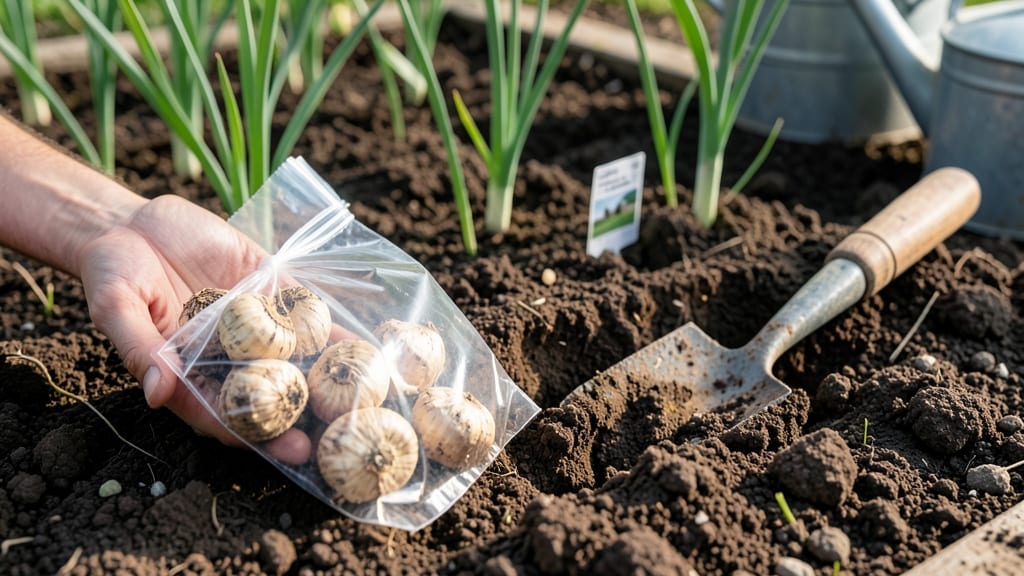
Gladiolus bulbs thrive when planted at the right time, but knowing when they’re ready takes more than just checking a calendar. The soil temperature and bulb condition are your best indicators. Aim for 60°F soil—warmer than that, and roots may scorch; cooler, and growth stalls.
In most of California, this aligns with late February to April, but coastal areas can start as early as January.
Before digging, test your bulb firmness. Healthy gladiolus corms should feel dense and firm—like a small potato—with no soft spots or mold. If they’re shriveled or sprouting prematurely, they might be too old or stored poorly. Discard any damaged bulbs to avoid infecting your garden.
A quick sniff test also helps: bulbs should smell earthy, not musty or rotten.
- 🌡️ Soil temp reaches 60°F+ (use a soil thermometer for accuracy).
- 🌱 Bulbs are firm, dry, and free of soft spots or mold.
- 🌤️ Frost risk has passed (coastal CA: January; inland: March).
- 🌱 Sprouts are 1–2 inches tall (if pre-sprouted, plant deeper).
- 💧 Weather forecast shows consistent warmth for 2+ weeks.
Once you’ve confirmed readiness, prep your soil like a pro. Gladiolus roots need well-draining soil to prevent rot—amend heavy clay with compost or sand until it crumbles easily.
A pH of 6.0–7.0 is ideal, so test your soil and adjust with lime (to raise pH) or sulfur (to lower it) if needed. Work in 2–3 inches of compost or aged manure to feed those hungry bulbs.
For drainage tests, dig a hole, fill it with water, and time how long it takes to drain. If water lingers beyond 30 minutes, your soil is too dense.
In containers, use a mix of 50% potting soil, 30% perlite, and 20% compost to mimic ideal conditions. Elevate pots to prevent waterlogging—a common killer of gladiolus roots.
Timing isn’t just about the calendar; it’s about reading your garden’s cues. Plant too early, and bulbs may rot in cold soil. Too late, and you’ll miss the summer bloom window entirely.
In Southern California (Zone 10), you can even squeeze in a fall planting for winter blooms, but most gardeners focus on spring for reliable results.
Pro tip: Mark your planting date on a garden journal or calendar to track how your gladiolus perform. Over time, you’ll notice patterns—like how April plantings in the Central Valley yield taller spikes than March ones. Adjust next year based on what you learn! 🌸