
Plants
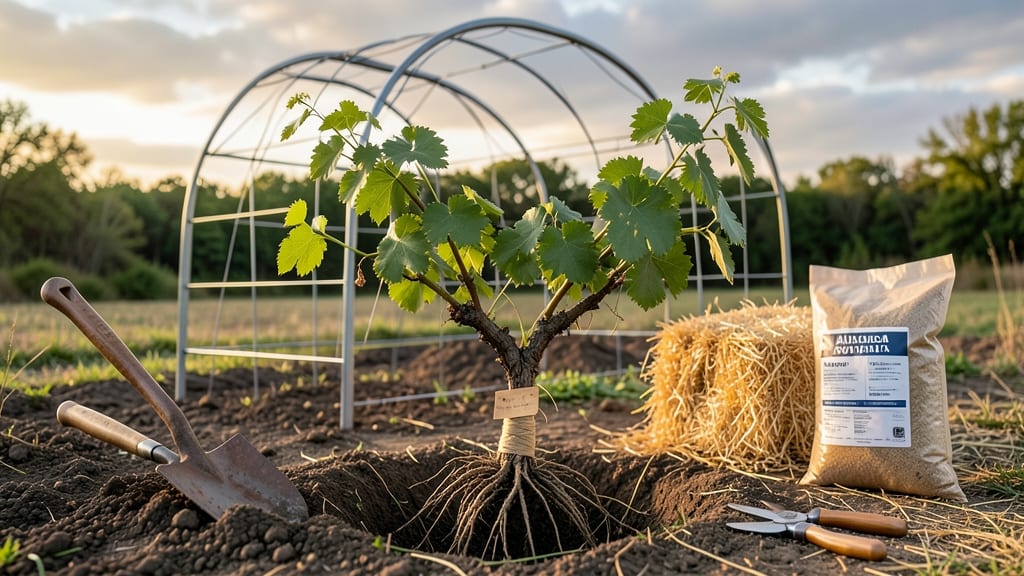
Planting grapes in Alabama might seem tricky with its hot summers and unpredictable winters, but timing is everything for thriving 🍇 vines. The perfect window—late winter to early spring or fall—lets you take advantage of Alabama’s 7a-8b climate while avoiding frost damage.
Whether you’re growing Muscadines or wine grapes, getting the timing right means stronger roots and bigger harvests. I’ll break down exactly when to plant, how to prep your soil, and which varieties handle Alabama’s heat best.
You’ll also discover how to beat the heat with smart planting tricks that keep your vines healthy through summer’s peak. Let’s get your grapevine off to the right start!
From bare-root stock to well-drained soil, I’ll cover every step to ensure your grapes grow strong and sweet. Ready to turn your backyard into a vineyard?
Best planting months for Alabama grapes by variety and heat zone
Alabama’s USDA hardiness zones 7a-8b offer ideal conditions for growing grapes, but the best planting window depends on your grape variety and local microclimate. Most gardeners in Alabama plant grapes in late winter to early spring (February–March) or fall (September–October), aligning with dormancy cycles and frost-free periods.
For Muscadine grapes, Alabama’s native variety, early spring planting is critical to avoid heat stress during summer.
Wine grapes like Cabernet Franc and Chardonnay prefer cooler temperatures, so they thrive when planted in late winter (February) to establish roots before Alabama’s brutal summer heat.
Meanwhile, table grapes like Thompson Seedless can handle slightly warmer spring soil, making March planting a safer bet for Southern Alabama’s warmer zones (8a-8b).
Fall planting (September–October) is ideal for bare-root vines in Northern Alabama (7a-7b), where winters are slightly cooler. This gives roots time to establish before the first frost, typically around mid-November.
However, avoid planting too late in fall—soil temperatures below 50°F can stunt root growth, leaving vines vulnerable to winter dieback.
Here’s how Alabama’s heat zones influence planting timing:
For bare-root vines, Alabama’s nurseries typically ship in winter (December–February), so plan to plant within 2–4 weeks of receipt.
If you’re planting potted vines, you can extend your window slightly into April, but avoid planting after May 1—Alabama’s summer heat will stress young vines before they establish roots.
In Northern Alabama (7a), where frost lingers until mid-March, opt for February planting to give vines a head start. Southern Alabama (8a–8b) gardeners can push planting into March or even early April, as frost risk is minimal.
Always check your local Alabama Cooperative Extension Service frost date maps for precision.
Pro tip: If you’re planting in fall (September–October), choose a cool, overcast day to reduce transplant shock. Water deeply before and after planting to encourage root growth. For spring planting, wait until soil temperatures reach 55°F—use a soil thermometer to monitor.
Alabama’s humidity and heat demand extra care during planting. After planting, apply a 2–3 inch layer of mulch (pine bark or straw) to retain moisture and regulate soil temperature. This is especially critical for Muscadine grapes, which are prone to root rot in waterlogged soil.
Remember: The key to success in Alabama’s climate is timing + soil prep. Planting at the right time ensures your vines establish strong roots before facing Alabama’s 90°F+ summers or occasional late frosts.
With the right variety and schedule, your grapevines will reward you with abundant harvests for years to come. 🍇
How Alabama’s microclimates affect grape planting success
Alabama’s diverse geography—from the cool Appalachian foothills to the humid Coastal Plain—means grape planting times vary dramatically. Even within USDA zones 7a-8b, your location’s microclimate dictates whether you should plant in late winter or early fall.
Northern Alabama’s shorter growing season demands earlier planting, while Southern regions can stretch planting into October.
For example, Muscadine grapes in zone 8a (Mobile area) tolerate late fall planting, but wine grapes in zone 7b (Huntsville) need to be in the ground by March 15 to avoid frost damage. The key is knowing your last frost date and adjusting 4-6 weeks before.
Soil type also plays a role. Sandy soils in the Black Belt region dry out faster, requiring earlier planting to establish roots before summer heat. Meanwhile, clay-heavy soils in the Piedmont hold moisture longer, giving you flexibility for late-season plantings.
⚠️ Microclimate Warning
Planting too late in Northern Alabama risks frost damage to young vines, while Southern regions may face heat stress if planted after September 15. Always check your local frost maps and adjust timing accordingly.
🌡️ Pro Tip: Use row covers for late plantings in cooler zones.
Coastal areas like Baldwin County benefit from moderate humidity, making fall planting ideal. However, high heat zones (like zone 8b) require shade cloth during summer to protect young vines. I recommend testing your microclimate by monitoring soil temps—ideal planting soil should be 50-60°F.
Another critical factor is elevation. Mountainous regions (like DeKalb County) experience earlier frosts than valleys. Plant hardy varieties like Norton grapes in these areas, and time your planting for late February to give vines time to establish before summer.
To adapt, I suggest planting bare-root vines in early spring for Northern Alabama and fall for Southern areas. Always amend soil with compost to improve drainage, and mulch heavily to regulate soil temperature. These adjustments ensure your grapes thrive regardless of Alabama’s diverse climate zones.