Plants
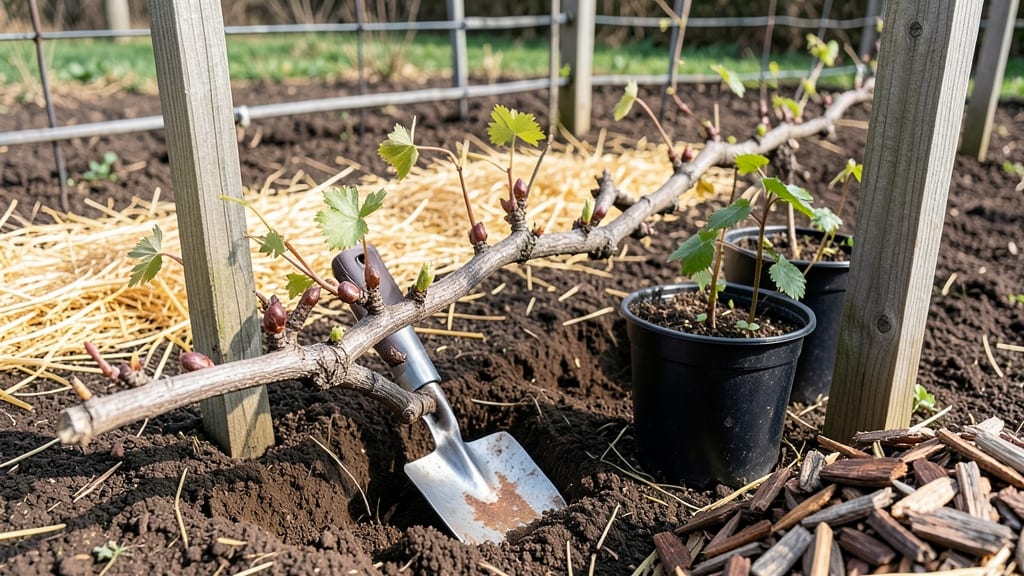
Timing your 🍇 grape planting in Indiana isn’t just about the calendar—it’s about catching that sweet spot when soil temperatures hit 45°F-55°F, the magic window that sets your vines up for explosive root growth and a harvest-worthy crop.
Indiana’s famously fickle spring weather—with late frosts lingering into mid-April—can turn a well-meaning gardener’s plans into a guessing game.
But here’s the game-changer: knowing your USDA Zone 5b-6b triggers and microclimates (northern Indiana’s chill vs. southern Indiana’s warmer pockets) lets you plant with confidence, whether you’re working with bare-root vines or container-grown plants.
In this guide, I’ll break down the exact planting windows tailored to Indiana’s climate, from early April for hardy varieties like Concord to late May for tender types.
You’ll also learn how to test soil readiness, adjust for frost risks, and pick the best grape varieties for your region—so you’re not left scrambling when the first heatwave hits.
Ready to skip the trial-and-error? Let’s dive into the soil science and planting strategies that’ll have your 🍇 grapes thriving from vine to table.
Optimal Indiana grape planting windows based on soil temperature
Indiana’s USDA zones 5b-6b mean grape growers must time planting carefully to avoid late spring frosts that can damage tender new shoots. The ideal soil temperature for planting grapes is between 45°F and 55°F, which typically aligns with mid-April to early May in most of the state.
Northern Indiana (like Gary or South Bend) often waits until late April or early May, while southern regions (Evansville or Bloomington) can start as early as late March.
Bare-root grapes should be planted before buds break—usually 4-6 weeks before your last frost date (April 15 for most of Indiana).
Container-grown grapes offer more flexibility and can be planted through early June, but they’ll need extra care to establish roots before summer heat arrives. Fall planting is risky in Indiana due to unpredictable winters, but late September can work if soil temps stay above 50°F.
| Planting Window | Soil Temp Threshold | Indiana Region | Grape Type |
|---|---|---|---|
| Late March - Early April | 45°F - 50°F | Southern Indiana (Evansville, Bloomington) | Bare-root (hardy varieties) |
| Mid-April - Early May | 50°F - 55°F | Central Indiana (Indianapolis, Lafayette) | Bare-root or container-grown |
| Late April - Early June | 55°F+ (container-grown only) | Northern Indiana (Gary, South Bend) | Container-grown (tender varieties) |
| Late September | 50°F+ (risky, for experienced growers) | All regions (if soil stays warm) | Bare-root (hardy varieties only) |
To check if your soil is ready, use a soil thermometer at 4-inch depth—this is where grape roots will establish.
If temps are below 45°F, delay planting or use black plastic mulch to warm the soil faster. Northern Indiana growers should monitor weekly temperature trends and plant only after 3 consecutive days above 50°F.
For container-grown grapes, the window extends later because pots warm up faster. Plant these after May 15 to avoid transplant shock from summer heat. Always acclimate container grapes for 3-5 days before planting by placing them outdoors during the day and bringing them in at night.
This hardens off the vines and reduces shock.
Pro tip: Plant on a cloudy day to reduce stress on the vines. If you’re in Zone 5b (northern Indiana), consider using row covers for the first few weeks to protect young plants from late frosts.
These covers can raise temperatures by 5-10°F, giving your grapes a head start.
If you miss the spring window, don’t despair—container planting in early summer can still yield fruit, though you’ll need to water deeply and mulch heavily to help roots establish before winter. Just avoid planting after July 1, as vines won’t have enough time to harden off before frost.
Remember, Indiana’s microclimates vary dramatically. A south-facing slope in southern Indiana might be 5°F warmer than a north-facing valley in northern Indiana. Use these local conditions to fine-tune your planting schedule. For example, Evansville’s warmer climate allows for earlier planting, while South Bend’s cooler temps demand patience.
Once planted, mulch heavily with straw or wood chips to maintain soil warmth and moisture. This is especially critical in dry springs, which Indiana experiences about 30% of the time.
A 3-inch mulch layer can keep soil temps 5°F warmer than bare ground, extending your effective planting window by 1-2 weeks.
For first-time grape growers, I recommend starting with hardy varieties like Concord or Niagara, which tolerate Indiana’s cold winters and late frosts better than tender types. These varieties also have wider planting windows, reducing the risk of timing mistakes.
Plant them in well-draining soil with a pH of 6.0-7.0 and watch for soil temp consistency before committing.
Signs your Indiana soil is ready for grapes (and what to do if it isn’t)
Testing your soil’s readiness isn’t just about guessing—it’s about catching the 45°F-55°F window where roots can establish without frost damage. Start by checking soil moisture: stick your finger 2-3 inches deep.
If it feels like a damp sponge (not soggy, not dry), your soil’s holding the right balance for grape roots to spread quickly.
Next, grab a soil thermometer—this isn’t optional. Indiana’s early springs can fool you with warm air while soil stays chilly. Aim for consistent readings between 50°F-55°F at 4-inch depth for 3+ days. Morning is the best time to check, as afternoon sun can skew readings by 5-10°F.
🌱 Pro Tip: If your soil is still below 45°F, don’t rush planting. Delaying a week or two can mean the difference between a struggling vine and one that takes off like a rocket. Patience here pays off in harvest time.
⚠️ Callout Warning: Late Spring Risks in Indiana
If your soil hits 55°F+ but air temps still dip below 32°F, you’re playing Russian roulette with frost. Here’s what to do:
- ✅ Use row covers or frost blankets for new plantings (remove during day to avoid overheating).
- ✅ Plant in containers and move them to a sheltered spot if frost is forecasted.
- ✅ Choose late-May planting for container-grown grapes—they adapt faster to warmer soil.
Never plant bare-root grapes after May 15th—they won’t establish roots in time for winter survival.
What if your soil is too cold or too wet? Don’t panic. Amend clay-heavy soil with compost or sand to improve drainage, and if it’s waterlogged, plant on a mounded bed to prevent root rot. For sandy soil, mix in peat moss to retain moisture during Indiana’s dry spells.
One last check: look for earthworms in your soil. A healthy population (5-10 per square foot) means your soil’s teeming with life and ready for grape roots. If you see none, add worm castings or well-rotted manure to jumpstart microbial activity.
With these signs mastered, you’ll never second-guess whether your soil is ready—or how to fix it if it isn’t. Next up: the top 5 Indiana grape varieties that thrive with minimal fuss, ranked by cold hardiness and planting flexibility.