
Plants
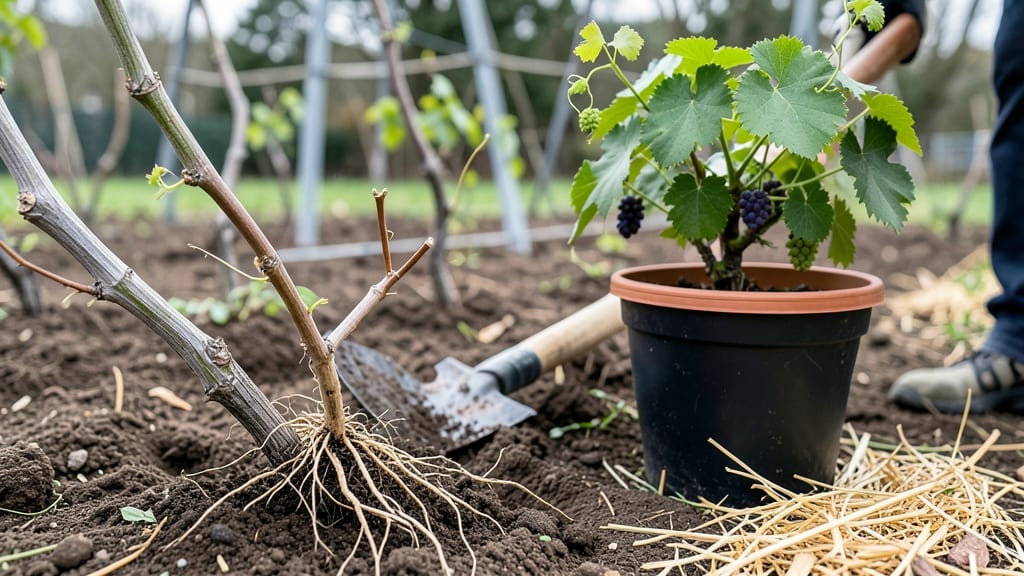
If you're dreaming of a backyard bursting with juicy 🍇 grapes, Georgia's climate is your secret weapon—but timing your planting wrong could mean wasted effort and stunted vines.
The best window for planting grapes in Georgia's 7b-8b zones is late winter to early spring, when the soil warms just enough to encourage strong root growth before summer heat sets in.
Why does timing matter so much? Because planting too early risks frost damage, while waiting too long can leave your vines struggling to establish before the brutal Georgia heat arrives.
I've seen firsthand how Muscadines and vinifera varieties thrive when planted in March, giving them the perfect head start for that late summer harvest you're craving.
Let me show you exactly how to sync your planting schedule with Georgia's unique climate—from soil prep tips to variety-specific recommendations that'll have your vines reaching for the sky.
Whether you're growing for fresh eating, jams, or wine, these insights will help you avoid common pitfalls and set your grapes up for success.
We'll also cover how to adjust for your specific region (Coastal Plain vs. Piedmont) and when to turn to local experts like UGA Extension for tailored advice. Ready to turn your grape-growing goals into reality? Let's get started.
Best planting months for Georgia grapes by variety (muscadine vs. wine vs. table)
Georgia’s diverse climate—from the humid Coastal Plain to the Piedmont’s milder winters—means planting grapes depends heavily on variety and microclimate. Muscadines, Georgia’s native grapes, thrive in late winter to early spring, while wine grapes like Chardonnay or Cabernet Franc need slightly different timing.
Let’s break down the ideal planting windows for each type, plus soil prep tips to set your vines up for success.
For bare-root vines, the best time to plant grapes in Georgia is February through early March, just before buds swell but before last frost dates. Potted grapes can go in until April, but avoid late spring planting—summer heat stresses young roots.
In Zone 7b-8b, this translates to mid-February to mid-April, with adjustments for your specific county.
Muscadines (like Scuppernong or Carlos) are Georgia’s workhorses—they’re heat-tolerant and adaptable. Plant them late February to early March for maximum root establishment before summer’s intensity. Wine grapes (e.g., Norton or Blaufränkisch) prefer slightly cooler soil, so aim for February to early April. Table grapes (like Thompson Seedless) follow wine grape timing but need well-draining soil to avoid rot.
🍇 Georgia Grape Planting Guide by Variety
| Variety Type | Best Planting Window | Soil Prep Tip | Key Consideration |
|---|---|---|---|
| Muscadine (e.g., Scuppernong, Carlos) | Late February–Early March | Amend clay soil with compost | Heat-tolerant; avoid waterlogged roots |
| Wine Grapes (e.g., Norton, Chardonnay) | February–Early April | Test pH (6.0–7.0); add lime if acidic | Cooler soil needed for root growth |
| Table Grapes (e.g., Thompson Seedless) | February–March | Raise beds for drainage | Susceptible to fungal diseases |
Before planting, prepare your soil 4–6 weeks ahead. Georgia’s clay-heavy soils (common in Piedmont) need organic matter—mix in 3–4 inches of compost or aged manure.
For sandy soils (Coastal Plain), add peat moss to retain moisture. Test your soil’s pH too: Muscadines prefer 5.5–6.5, while wine grapes thrive at 6.0–7.0. Adjust with sulfur (to lower pH) or lime (to raise pH) as needed.
Choose a sunny, sheltered spot with 6+ hours of sunlight daily. Grapes need protection from strong winds (use a trellis or fence) and drainage—avoid low spots where water pools.
If planting in containers, use 5-gallon pots for dwarf varieties and 15-gallon pots for standard vines. Container grapes can go in until May, but they’ll need consistent watering in Georgia’s heat.
After planting, mulch heavily (3–4 inches of straw or pine needles) to retain moisture and suppress weeds.
Water deeply 2–3 times per week for the first month, then taper to once weekly once established. Avoid overhead watering—it spreads fungal diseases like powdery mildew, a common issue in Georgia’s humidity.
Pro tip: If you miss the spring window, you can plant bare-root grapes in late fall (November), but they’ll need extra winter protection (mulch + frost cloth). Potted grapes can also go in until early May, but they’ll struggle in summer heat if not established.
For best results, stick to February–March and let your vines grow strong before Georgia’s 100°F+ summers hit.
Georgia’s University of Georgia Extension offers free soil tests and localized planting guides—check their website for county-specific frost dates and pest alerts.
With the right timing and prep, your grapes will thrive year after year, yielding juicy Muscadines, bold wine grapes, or sweet table varieties.
Critical climate factors that determine planting success in Georgia
Georgia’s USDA zones 7b-8b create a perfect grape-growing climate, but frost dates and heat tolerance dictate when to plant. In the Coastal Plain, last frosts average mid-March, while Piedmont regions may see frosts until April 1st. Planting too early risks frost damage to young vines.
Humidity is another key factor—Georgia’s hot-humid summers can stress vines if planted too late. Muscadines thrive in this climate, but vinifera grapes need extra care to avoid fungal diseases like powdery mildew. Always check your local frost maps (UGA Extension is a great resource) before planting.
🌱
Late Spring Planting Risks
Planting after April 15th in Piedmont or May 1st in Coastal regions delays vine establishment, reducing yield potential by up to 30%. Heat stress can also cause sunburn on young leaves.
For bare-root vines, aim for late February to March—this gives roots time to establish before bud break. Potted grapes can handle May planting but require extra watering during Georgia’s drought-prone summers. Always choose a south-facing site with well-draining soil to prevent root rot.
🌡️
If you’re in Zone 8a (common in South Georgia), you have a longer frost-free season (210+ days), allowing for earlier planting.
However, heat waves after June 1st can stress young vines, so prioritize shade cloth or drip irrigation during summer months. Muscadines handle heat better than vinifera, making them ideal for Georgia’s climate.
💧
Pro tip: Use a soil thermometer to confirm 60°F soil temps before planting—this ensures roots won’t freeze. For container grapes, extend your planting window to late May but move pots to a protected location during unseasonal frosts. Always monitor local weather forecasts for cold snaps in spring.