
Plants
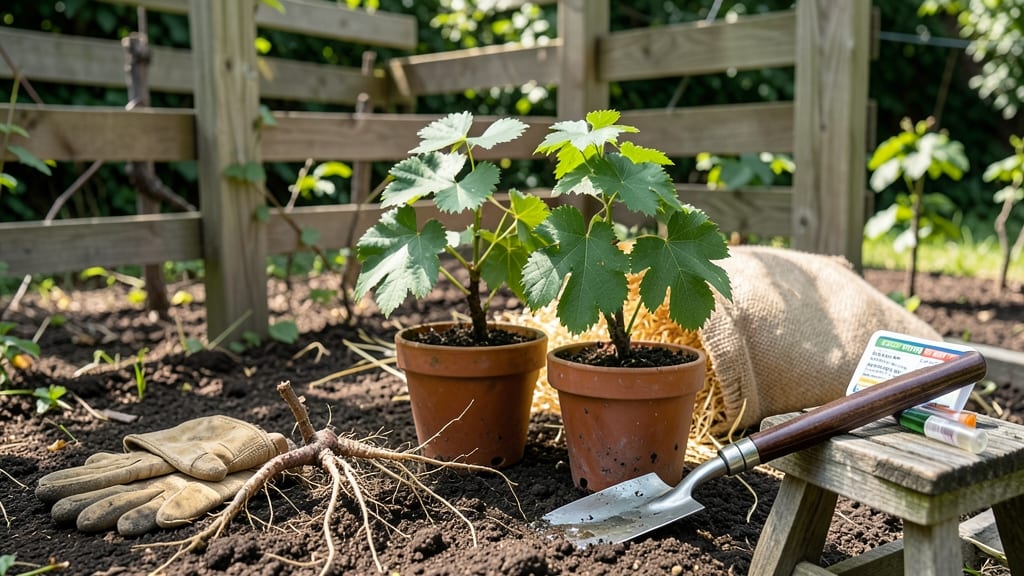
If you're dreaming of lush 🍇 vines heavy with Kentucky-grown grapes, timing your planting is the most important factor for success. Kentucky's unique climate—with its 6a-7a zones and unpredictable frost dates—means planting too early or late can spell disaster for your grapevines.
Most gardeners assume fall is the only option, but Kentucky's late winter to early spring window (February-April) actually gives your grapes a head start. The key is waiting until the soil warms to at least 45-50°F, which typically happens after the last frost in April.
Whether you're planting bare-root vines in fall or potted grapes in spring, understanding your specific region's frost patterns—especially in areas like Louisville or Lexington—makes all the difference. Let me walk you through exactly when to plant for maximum growth and that coveted harvest.
You'll also discover how to adjust for Kentucky's heavy clay soils and which grape varieties thrive best in your zone, ensuring your vines grow strong and productive from day one.
Kentucky’s last frost dates & ideal grapes planting windows
Kentucky’s USDA zones 6b-7a create unique challenges for grape growers. The last spring frost typically arrives between mid-April and early May, while fall frost hits around mid-October. These dates define your 4-6 week planting window for optimal vine establishment.
For bare-root grapes, aim to plant 4-6 weeks before your last frost date. In Louisville, this means late February to early April, while Lexington’s slightly later frost allows planting until early May. Bowling Green’s warmer microclimate extends your window to mid-May.
Potted grapevines offer more flexibility—they can be planted 2-3 weeks after your last frost when soil reaches 50°F. This typically aligns with April to early May across most of Kentucky.
Fall planting is ideal for dormant bare-root vines, giving roots time to establish before winter. Kentucky’s September to early October window works perfectly, as vines enter dormancy naturally before frost.
Your local microclimate matters—mountain regions like Eastern Kentucky may experience 2-3 weeks earlier frosts than the Bluegrass region. Always check local frost records from your county extension office for precise timing.
🌱Pro Tip: Use the 50°F soil temperature rule as your planting trigger. For Kentucky’s clay-heavy soils, this often means waiting until late April in cooler zones.
| Region | Last Frost Date | Bare-Root Planting Window | Potted Vine Window |
|---|---|---|---|
| Northern KY (e.g., Paducah) | Mid-April | Late Feb - Early April | Early April - Mid-May |
| Central KY (e.g., Louisville) | Early May | Late Feb - Early May | Mid-April - Early June |
| Western KY (e.g., Bowling Green) | Late April | Late Feb - Late April | Early April - Late May |
| Eastern KY (Mountains) | Mid-May | Late March - Early May | Late April - Early June |
Spring planting gives vines 6-8 weeks of root growth before summer heat arrives. Fall planting allows root establishment before winter dormancy, reducing transplant shock. Both methods work well in Kentucky’s climate.
For container-grown grapes, extend your planting window by 2-3 weeks later than bare-root varieties. Containers warm up faster in spring, making them ideal for late April to May plantings in cooler Kentucky regions.
Always monitor weekly frost forecasts and adjust your planting date if late frosts are predicted. Kentucky’s humid climate means frost can linger longer than average, so flexibility is key.
🌿Remember: The earlier you plant, the more time vines have to establish before Kentucky’s hot, humid summers. Balance early planting with frost risk for best results.
Soil temperature requirements for grapes in Kentucky’s climate
Kentucky’s clay-heavy soils and variable spring temperatures can delay grape planting if you’re not prepared. Grapes need soil temperatures between 45-50°F for roots to establish properly—any cooler, and growth stalls. Since Kentucky’s springs often linger in the 40s°F even into April, testing your soil warmth is non-negotiable.
I’ve learned the hard way that planting too early in cool, wet springs leads to root rot or stunted vines. The key is waiting until the soil consistently stays above 50°F for 5+ days.
In northern Kentucky (USDA Zone 6b), this might mean waiting until late April, while southern regions (Zone 7a) can plant as early as mid-March.
Here’s how I test soil warmth: Use a soil thermometer buried 4-6 inches deep (where roots will grow). Check temperatures morning and evening for 3 days in a row.
If evenings dip below 50°F, delay planting. Pro tip: Black plastic mulch can warm soil by 5-10°F if laid down 1-2 weeks before planting.
⚠️ Warning: Cool Soil = Failed Grapes
Planting in cold soil causes:
- Stunted roots (grapes can’t absorb nutrients)
- Fungal diseases (like Phytophthora) from wet, cool conditions
- Delayed fruiting (harvest pushed to late fall or lost to frost)
Solution: Use row covers or straw mulch to insulate soil if you must plant early in Zone 6b.
Kentucky’s heavy clay soils also slow warming. To speed things up, I amend beds with compost or aged manure (2-3 inches mixed into the top 12 inches of soil).
This improves drainage and helps soil warm faster. For container grapes, use well-draining potting mix with perlite or sand—these warm up 2-3 weeks faster than in-ground beds.
If your spring is unusually cold (like 2020’s late frost), consider fall planting instead. Bare-root vines planted in September or October establish roots before winter, giving them a 30% head start in spring. Just ensure soil temps are above 55°F at planting time.
Remember: Patience pays off. Rushing into planting when soil is too cool is the #1 mistake I see in Kentucky gardens. Use these tips to time your planting perfectly and watch your grapes thrive—no more wasted seasons or disappointing harvests! 🌱