
Plants
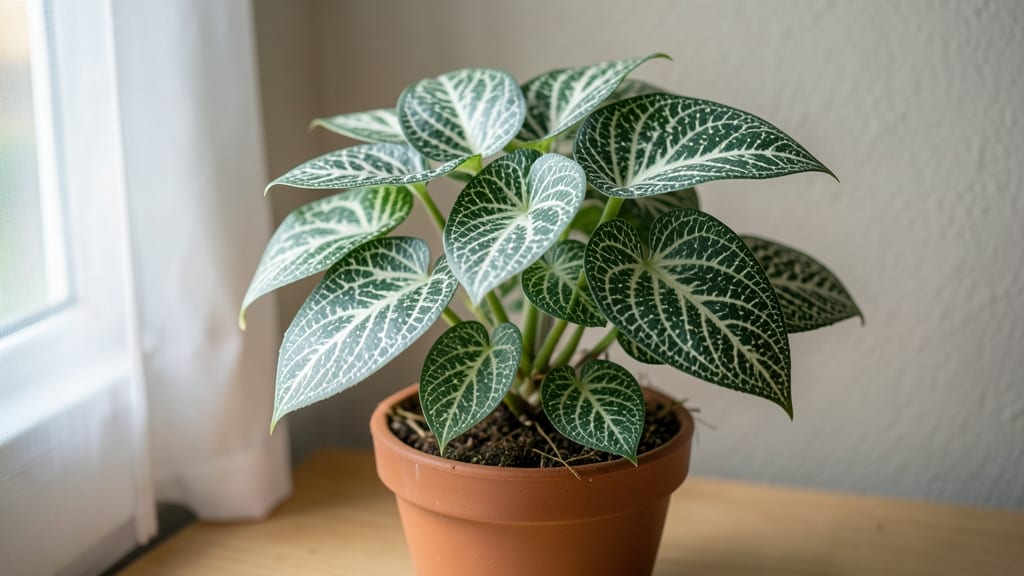
If your nerve plant 🌿 looks tired—dull leaves or stretched stems—it’s probably begging for how much light does a nerve plant need. The truth is, this stunning foliage plant thrives in conditions most homes can easily provide, but getting it wrong means losing those vibrant patterns.
I’ve seen too many plant lovers overcomplicate this—whether it’s blasting it with harsh sunlight or hiding it in a dark corner. The key is bright indirect light, mimicking its natural understory habitat.
Too little, and your plant fades; too much, and it burns. Let’s fix that with simple, actionable steps.
You don’t need fancy equipment or guesswork. I’ll show you exactly where to place your nerve plant—whether you’ve got an east-facing window or just a cozy corner—and how to spot when it’s happy (or not). Ready to bring back those striking veins and keep your plant thriving all year?
From identifying the perfect spot to troubleshooting common mistakes, this guide cuts through the confusion. By the end, you’ll know exactly how much light your nerve plant needs—and how to give it just the right amount for lush, healthy growth.

Ideal light requirements for nerve plant growth: bright indirect sun explained
Your nerve plant (Fittonia) thrives on bright indirect sunlight, making it perfect for homes with filtered light. Unlike sun-loving plants, direct rays can scorch its delicate veined foliage, while too little light dulls its signature patterns.
The key is mimicking dappled forest light—think morning sun or afternoon shade.
Indoor growers often struggle because artificial lighting can’t fully replicate natural spectra. Fluorescent bulbs (6,500K) work best, but LED grow lights with blue spectrum (for foliage) and red spectrum (for growth) are ideal. Place lights 12-18 inches above your plant for 12-14 hours daily.
Seasonal adjustments matter too. In summer months, move your nerve plant 3-4 feet from south-facing windows to avoid leaf burn. During winter’s shorter days, supplement with a timer-controlled grow light to maintain 4-6 hours of light daily.
Here’s how to spot the perfect spot: Hold a piece of white paper near potential locations. If the light creates a soft shadow (not crisp edges), it’s ideal. Avoid areas where leaves feel hot to touch—that’s direct sun damage.
| Light Condition | Ideal Duration | Signs of Success |
|---|---|---|
| Bright Indirect | 4-6 hours daily | Vibrant veins, compact growth |
| Low Light | 2-3 hours daily | Pale leaves, leggy stems |
| Direct Sun | 0 hours (avoid) | Brown patches, crisp edges |
Pro tip: Rotate your plant quarter-turn weekly to ensure even light exposure. This prevents one side from stretching toward the window while the other fades. Use a clear acrylic sheet over west-facing windows to diffuse harsh afternoon rays without blocking light.
Humidity plays a supporting role too. Nerve plants love 60-70% humidity, which is easier to maintain in bright, indirect light. Place your plant on a pebble tray with water or group it with other foliage plants to create a microclimate.
If your home lacks natural light, consider a south-facing room with sheer curtains. These filter UV rays while allowing bright ambient light—perfect for nerve plants. Just avoid plastic blinds, which can trap heat and scorch leaves.
Remember: Consistency is key. Nerve plants adapt slowly to light changes. If you move it to a brighter spot, do so gradually over 1-2 weeks to prevent shock. Watch for new growth—this is your plant’s way of saying, “This light works!”
For office spaces, fluorescent lights with cool white bulbs (4100K) are your best bet. Position the plant within 3 feet of the light source to mimic natural brightness. If leaves start yellowing, it’s time to upgrade to full-spectrum LED bulbs.
🌿
Ideal light requirements for nerve plant growth: bright indirect sun explained
Your nerve plant (Fittonia) thrives in bright indirect light, which is why it’s perfect for east or north-facing windows. Too much direct sun causes leaf burn, while too little light makes those stunning veined patterns fade.
The key is mimicking dappled forest sunlight—think of it as a shady understory plant adapted to indoor living.
For optimal growth, aim for 4-6 hours of bright indirect light daily. Morning sun is ideal, while afternoon rays (especially west-facing windows) can scorch delicate foliage. If your home lacks natural light, grow lights are a game-changer—just keep them 12-18 inches away to avoid stressing the plant.
🌱 Nerve Plant Light Requirements Summary
| Condition | Specification |
|---|---|
| Light Type | Bright indirect light |
| Daily Hours | 4-6 hours |
| Best Windows | East or north-facing |
| Distance from Window | 2-3 feet away |
| Grow Light Alternative | 12-18 inches, 12-14 hrs/day |
| Avoid | Direct midday sun, south/west windows |
Seasonal adjustments matter too. In summer, filter light with sheer curtains if your plant starts looking bleached. During winter, supplement with a LED grow bulb (6500K color temperature) to prevent leggy growth.
Rotate your plant quarter-turns weekly so all sides get even light exposure—this keeps those nerve-like veins vibrant and symmetrical.
Pro tip: Test your spot by holding a piece of paper near your plant. If you can’t read small print in the shade, it’s likely too dark. For low-light tolerance, nerve plants can adapt to 20-30% light, but their foliage patterns dull without adequate brightness.
Think of it like a mood ring—your plant’s colors are its personality!
If you notice stretched stems or pale leaves, it’s begging for more light. But if the edges turn crispy brown, you’ve overdone it. The sweet spot is where your plant feels like it’s napping in a sun-dappled glade. Trust your instincts—nerve plants are forgiving if you adjust gradually.
For extra peace of mind, place your plant near a moisture meter or use a humidity tray—these go hand-in-hand with light needs. Aim for 40-60% humidity to complement that bright indirect light, and watch your nerve plant reward you with lush, patterned leaves all year round. 🌿