
Plants
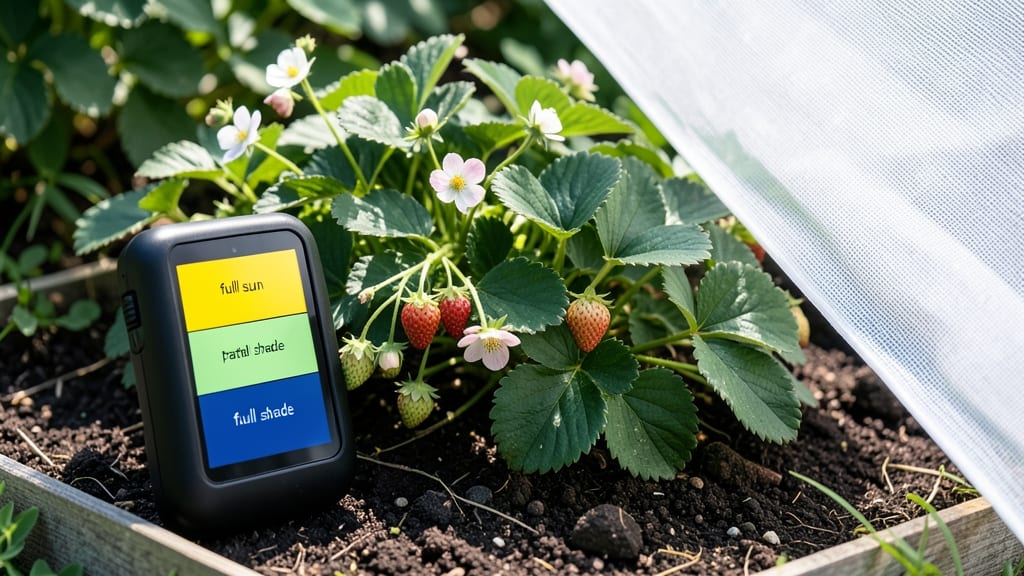
If you’re wondering how much light a strawberry plant needs to thrive, the answer is simpler than you might think: these sun-loving plants demand the right balance of brightness to produce sweet, juicy berries. Getting it wrong can leave you with bitter fruit or sparse harvests.
Most strawberries crave 6 to 10 hours of direct sunlight daily, but not all varieties play by the same rules. Everbearing types might tolerate a little shade, while June-bearing plants demand full sun to reach their full potential.
The key is understanding how much light your specific strawberries need at each stage of growth.
In this guide, I’ll break down exactly how much sunlight strawberries need—from planting in March-April to harvesting in June-July—plus practical tips for adjusting light exposure in your garden or containers.
Whether you’re dealing with too much shade or scorching afternoon sun, you’ll learn how to give your plants the perfect balance for a bountiful harvest.
Don’t let light confusion ruin your strawberry season! With the right setup, you’ll be enjoying homegrown berries that taste even sweeter than store-bought. Let’s get started.

Optimal sunlight hours for strawberry plants by variety and growth stage
Strawberries are sun-worshippers, and their light needs change dramatically from planting to fruiting. While most varieties thrive in 6-10 hours of direct sunlight daily, understanding the nuances—like variety differences and seasonal adjustments—can mean the difference between a bountiful harvest and underwhelming yields.
Let’s break down the ideal sunlight exposure for each strawberry type and growth phase.
For June-bearing strawberries, the most common type, full sun is non-negotiable.
These varieties need at least 8 hours of sunlight daily to produce their heavy fruit load in a single harvest window. Everbearing and day-neutral varieties, however, are slightly more flexible—they can tolerate 6-8 hours of sun and still yield well, making them better suited for partial shade gardens.
During the vegetative stage (when plants focus on leaf growth), strawberries can handle 6-7 hours of sun. But once they enter flowering and fruiting, the demand spikes to 8-10 hours. Skimping on light here leads to small, pale berries or no fruit at all.
Think of sunlight as the plant’s energy drink—it fuels photosynthesis, which directly impacts sugar production in those sweet berries.
| Variety Type | Ideal Sunlight Hours | Minimum Tolerable Sun | Signs of Insufficient Light |
|---|---|---|---|
| June-bearing | 8-10 hours | 6 hours (reduced yield) | Small, pale berries; leggy growth; sparse flowering |
| Everbearing | 6-8 hours | 4-5 hours (smaller harvests) | Fewer flowers; berries stay underdeveloped |
| Day-neutral | 6-8 hours | 4-5 hours (prolonged fruiting delay) | Slow growth; delayed fruiting; weak stems |
🌱 Pro Tip: Use a sunlight tracker for 24 hours to map your garden’s light patterns before planting.
Seasonal shifts matter too. In spring and fall, when days are shorter, strawberries may need supplemental light to maintain productivity.
If you’re growing in containers or raised beds, rotate them every few weeks to ensure even sun exposure—plants naturally lean toward light, creating uneven growth if left unchecked.
Watch for warning signs of too little light: yellowing leaves, stretched-out stems, or berries that stay small and hard. These are your plant’s SOS signals. Conversely, too much direct sun (especially in hot climates) can cause leaf scorch—brown, crispy edges on leaves.
Balance is key, and afternoon shade during peak heat can help prevent this.
If your garden only offers partial shade, focus on morning sun exposure (6 AM–12 PM) and avoid planting under dense trees or structures that block light for half the day. Even dappled shade can reduce yields by up to 50%, so prioritize the sunniest spots in your yard.
For container growers, place pots near south-facing walls or use reflective mulch (like white gravel) to bounce extra light onto leaves. This trick can add 1-2 extra hours of effective sunlight per day, making a noticeable difference in fruit quality.
Remember: Light isn’t just about quantity—it’s about consistency. Strawberries thrive on predictable sunlight. If your plants get sunny mornings but shaded afternoons, they’ll still produce, but yields will be smaller and less sweet.
Aim for at least 6 hours of unobstructed sun, and you’ll be well on your way to garden-fresh strawberries that burst with flavor.
🌞 Key Takeaway: June-bearing = 8-10 hours, everbearing/day-neutral = 6-8 hours, and seasonal adjustments are critical for success.
How to assess and adjust your strawberry plant’s light exposure
Not all garden spots receive the same sunlight, and strawberries are picky about their light conditions. Even a few hours less than ideal can lead to small, bland berries or no fruit at all.
Before planting, I always check my garden’s sunlight patterns to ensure my strawberries get the 6-10 hours of full sun they crave. A simple shadow test reveals hidden shade spots—just mark your garden with stakes every few hours and watch how shadows shift throughout the day.
Containers offer more flexibility for light adjustments. If your balcony or patio only gets partial sun, opt for everbearing varieties like 'Seascape' or 'Albion,' which tolerate 4-6 hours of sun better than June-bearing types.
I’ve even placed my container strawberries on reflective surfaces like white gravel or light-colored mulch to bounce extra light onto the plants. This trick can add 1-2 extra hours of effective sunlight.
If your strawberries are growing long, leggy stems with small, pale leaves, they’re stretching toward light. This is a classic sign of insufficient sunlight. Even worse, overhead shade from trees or structures blocks critical light for photosynthesis, leading to poor pollination and underdeveloped fruit. Move plants immediately to a sunnier spot or prune nearby obstacles.
🌿 Action Tip: Trim back encroaching branches or relocate containers to south-facing walls for maximum exposure.
For in-ground plantings, I always prioritize south-facing beds in the Northern Hemisphere, where sunlight lasts longest. If your yard has morning sun and afternoon shade, strawberries can still thrive—but expect smaller yields.
In these cases, I use drip irrigation with shade cloth during peak afternoon heat to protect leaves while maintaining moisture. This balance helps prevent sunburn on leaves while keeping fruit production steady.
One of my biggest mistakes was placing strawberries under a partial shade tree that filtered light during the hottest hours. While the leaves stayed green, the berries were tiny and seedy. I later learned that direct midday sun is crucial for sweetness.
Now, I avoid planting strawberries where they’d receive more than 2 hours of shade after 10 AM. Instead, I reserve shady spots for companion plants like lettuce or spinach that tolerate lower light.
If you’re working with limited sunlight, consider vertical growing systems. Trellises or hanging baskets can elevate plants to catch more light, especially in urban gardens with narrow spaces.
I’ve had great success with Albion strawberries in hanging baskets near south-facing windows—they produce smaller but sweeter berries than their sun-starved in-ground counterparts. Just ensure the containers have good drainage and you’re watering consistently.
Finally, don’t overlook the seasonal shift in sunlight. Days shorten in fall, and strawberries may stop fruiting if they don’t get enough light. I’ve found that supplemental grow lights (like LED bulbs with a full-spectrum output) can extend the harvest by 2-3 weeks in containers.
Place lights 6-12 inches above the plants for 12-14 hours daily to mimic summer conditions. This is especially helpful for everbearing varieties that need consistent light to keep producing.