
Plants
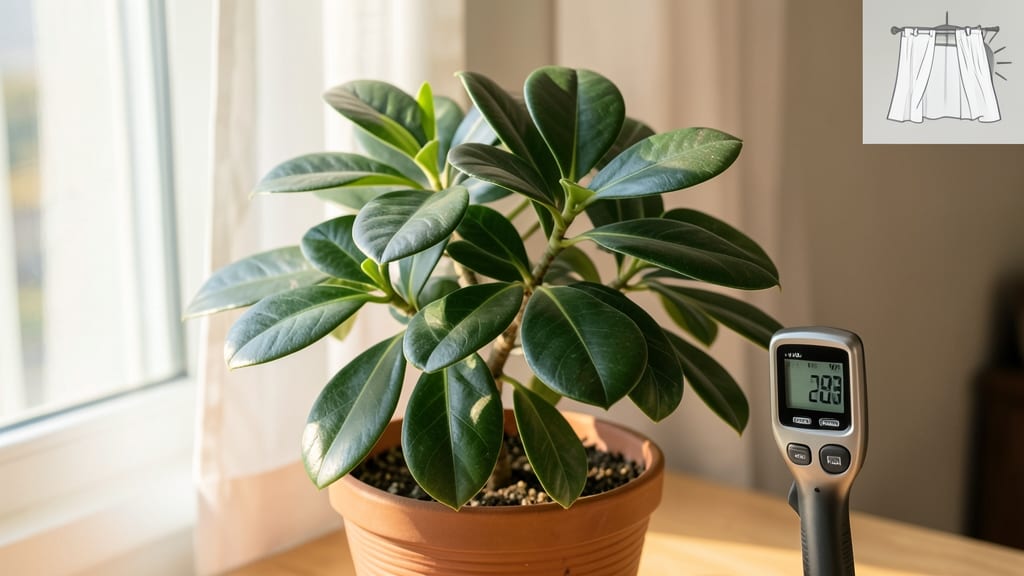
If your Umbrella Plant 🌿 is looking sad—droopy leaves, sparse growth, or yellowing—chances are, you’re getting how much light does an umbrella plant need wrong.
This tropical favorite thrives in bright, indirect light, but too much sun or too little can send it into a slow decline, and most plant parents accidentally overcorrect.
Here’s the truth: Umbrella Plants aren’t fussy, but they are picky about their light source. Too harsh sunlight? Watch for crispy brown edges. Too dim a corner? You’ll spot leggy stems reaching desperately for any scrap of light.
The key is finding that sweet spot—where your plant gets enough energy to grow but stays protected from stress.
I’ve helped countless plant lovers fix their struggling Umbrella Plants by tweaking just one thing: their placement.
Whether you’re dealing with a sunroom, a north-facing apartment, or a bright office, we’ll break down exactly how to give your 🌿 Umbrella Plant the perfect light conditions—indoors or out—to keep it lush, happy, and thriving year-round.
Ready to turn those wilted leaves into vibrant foliage? Let’s dive into the exact light rules your Umbrella Plant needs—and how to adjust when seasons change.

Ideal light requirements for umbrella plants by room type
Your umbrella plant (Schefflera actinophylla) thrives in bright indirect light, mimicking its natural tropical habitat. Too little light causes leggy growth, while too much direct sun leads to leaf burn. The key is finding that perfect balance where leaves stay glossy green and growth remains compact.
Most indoor environments fall into three light categories: bright indirect, medium indirect, or low light. Your umbrella plant prefers the first two but can adapt to the third with adjustments.
Let's break down the best placement for each room type to keep your plant happy and healthy.
🌿 Bright Indirect Light (Best for Thriving) Place your umbrella plant 2-3 feet from an east or west-facing window. These windows provide morning to mid-afternoon sun without harsh afternoon rays. A north-facing window also works if it receives consistent daylight throughout the day.
For south-facing windows, your umbrella plant needs protection from intense afternoon sun. Use a sheer curtain to diffuse light while still allowing bright indirect exposure. I've found that placing my plant 5 feet back from the window creates the perfect filtered light environment.
In rooms with artificial lighting only, like offices or bathrooms, your umbrella plant can survive but may grow slowly and leggy. Supplement with a fluorescent grow light placed 6-12 inches above the plant for 12-14 hours daily. This mimics natural daylight cycles and prevents light deprivation issues.
Seasonal changes affect light exposure too. During winter months, when natural light decreases, move your umbrella plant closer to windows or supplement with grow lights. In summer, watch for increased sunlight intensity and adjust placement if you notice leaf yellowing or crispy edges.
Pro tip: Rotate your plant quarter-turn weekly to ensure even light exposure on all sides. This prevents one-sided growth and keeps those lush umbrella-shaped leaves symmetrical. I rotate mine while watering to make it a quick daily habit.
If you notice new leaves emerging smaller than mature ones, this is a clear sign your plant isn't getting enough bright indirect light. The older leaves may stay green, but the new growth suffers first.
This is your plant's way of telling you it's time to find a brighter spot.
Remember, umbrella plants are tropical natives that evolved under dappled forest light. Recreate this environment indoors by placing your plant near a window with natural light diffusion, like a light-colored curtain or sheer fabric. This prevents leaf scorch while providing the brightness your plant craves.
With the right light conditions, your umbrella plant will reward you with vibrant green foliage, compact growth, and new leaves that emerge regularly throughout the growing season. 🌿
Signs your umbrella plant isn't getting enough light (and how to fix it)
Your umbrella plant (Schefflera actinophylla) is a tropical diva that throws dramatic tantrums when light-starved. The first clue? Leggy growth—those long, spindly stems reaching desperately toward any light source.
This happens when your plant stretches to compensate for insufficient bright indirect light, creating weak stems that can't support those gorgeous umbrella-shaped leaves.
Watch for yellowing leaves that start at the bottom and work their way up. This is your plant's way of saying, "I'm starving for sunlight!" The edges may also develop a brown, crispy texture as the plant diverts energy from leaf maintenance to survival mode.
Even the vibrant green color can fade to a dull, washed-out hue, losing that lush tropical glow.
- Stunted growth - New leaves are tiny compared to mature ones
- Pale stems - Losing that rich green or reddish hue
- Leaf drop - Healthy leaves suddenly falling without reason
- Reduced leaf production - Fewer new leaves emerging
These symptoms appear within 4-8 weeks of insufficient light exposure.
Don't ignore the leaf color changes either. While some varieties have natural reddish stems, if you notice unusual dark spots or purplish tinges on leaves, this could indicate your plant is struggling to photosynthesize efficiently.
The most concerning sign? Brown patches that develop on leaves—this suggests nutrient deficiencies caused by poor light absorption.
Seasonal changes can exacerbate these problems. During winter months, when natural light is dimmer, even well-placed umbrella plants may show signs of light deprivation. This is when supplemental grow lights become your best friend.
I've found that adding a 10-12 hour photoperiod with artificial light can work wonders for keeping my plants happy during those dark winter days.
To fix these issues, start by rotating your plant every 2-3 weeks so all sides get even light exposure.
If you're in a low-light room, consider moving your umbrella plant to a south-facing window (with sheer curtains to filter direct sun) or a west-facing window where it can enjoy afternoon light without harsh rays.
For severe cases, LED grow lights placed 12-18 inches above the plant for 6-8 hours daily can provide the missing light spectrum. I've had great success with full-spectrum LED bulbs (2000-3000 Kelvin) that mimic natural sunlight.
Remember, the goal is to mimic tropical forest conditions—bright but filtered light, never harsh direct sun that would scorch those delicate leaves.