
Plants
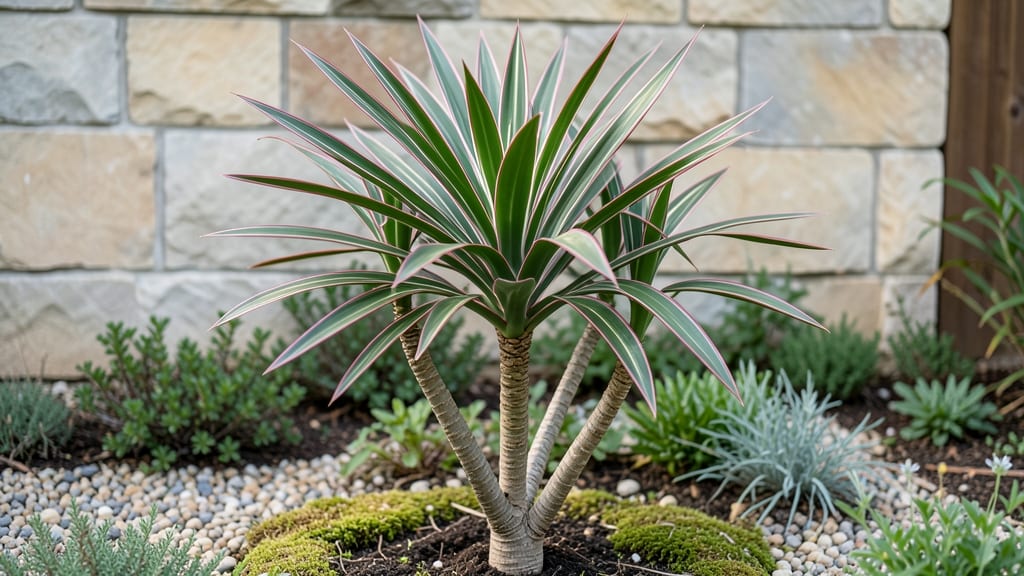
If you're wondering how tall does a Dracaena plant grow, the answer might surprise you—these tropical beauties can range from compact tabletop companions to towering indoor trees that reach the ceiling and beyond.
Whether you're dreaming of a 🌿 Dracaena marginata cascading down a bookshelf or a bold Dracaena fragrans making a statement in your living room, understanding their growth potential is key to choosing the right variety for your space.
The height of your Dracaena depends entirely on the species, with some varieties staying under 6 feet while others can soar to 20 feet or more in ideal conditions.
For example, the Dracaena marginata typically grows to about 10-15 feet, while the Dracaena fragrans (like the popular 'Massangeana') often maxes out around 10 feet indoors. If you're working with limited space, dwarf varieties like 'Colorama' can keep things manageable at just 3-6 feet.
But here's the thing: height isn't just about genetics—it's also about how you care for your plant. Light exposure, pot size, and even pruning habits can dramatically influence how quickly (or slowly) your Dracaena grows.
In this guide, I'll break down everything you need to know to control its height or encourage it to reach its full potential, so you can create the perfect fit for your home.
Ready to find out which Dracaena will thrive in your space? Let's dive into the specifics—from species comparisons to care tips—that will help you make the best choice for your home or garden.

Dracaena height variations: from compact to towering varieties
Choosing a dracaena often comes down to one key question: how tall will it grow? The answer varies dramatically between species, with some staying under 3 feet while others can reach 20 feet or more.
Understanding these differences helps you pick the perfect plant for your space, whether it's a small apartment or a spacious conservatory.
Dracaena plants are known for their striking foliage and low-maintenance nature, but their mature height can completely change how you use them in your home or garden. Some varieties work beautifully as tabletop plants, while others make bold vertical statements in large rooms or outdoor landscapes.
| Variety | Mature Height | Growth Rate | Best For |
|---|---|---|---|
| Dracaena marginata (Dragon Tree) | 10–15 feet | Moderate (1–2 ft/year) | Large rooms, conservatories, outdoor landscapes |
| Dracaena marginata 'Colorama' | 3–6 feet | Slow (6–12 inches/year) | Tabletop, small spaces, offices |
| Dracaena fragrans 'Massangeana' (Corn Plant) | 6–10 feet | Moderate (1–2 ft/year) | Corner plants, hanging baskets, medium rooms |
| Dracaena deremensis (Warneckii) | 10–20 feet | Fast (2–3 ft/year) | Large indoor spaces, outdoor tropical gardens |
| Dracaena sanderiana (Lucky Bamboo) | 1–3 feet (when grown as a single stalk) | Slow (3–6 inches/year) | Desks, shelves, small offices |
The Dracaena marginata, often called the Dragon Tree, is one of the most popular varieties for its striking arching leaves and ability to thrive in low-light conditions.
In ideal settings, it can reach 15 feet tall, making it perfect for large indoor spaces or as an outdoor focal point in warm climates.
If you're working with limited space, the Dracaena marginata 'Colorama' is an excellent choice. This dwarf variety stays between 3 and 6 feet tall, making it ideal for tabletop displays or small offices. Its vibrant, striped leaves add a pop of color without overwhelming your space.
For those who love the classic corn plant look, Dracaena fragrans 'Massangeana' is a standout with its yellow-edged leaves. This variety typically grows to 6–10 feet tall, making it a great fit for medium-sized rooms or as a hanging plant in larger spaces.
If you're dreaming of a towering indoor jungle, the Dracaena deremensis is the plant for you. Known for its fast growth rate, it can reach 20 feet tall in just a few years, making it ideal for conservatories or large living areas.
However, it requires more space and careful pruning to maintain its shape.
Lastly, if you're looking for a low-maintenance desk companion, the Dracaena sanderiana (often mistakenly called Lucky Bamboo) is a great option. While it can grow taller when supported, it typically stays under 3 feet, making it perfect for small spaces and beginner gardeners.
When selecting a dracaena, consider not only its mature height but also its growth rate and how it will fit into your space. Some varieties may need regular pruning to control their size, while others can grow unrestrained if given the right conditions.
🌱 Whether you're aiming for a compact centerpiece or a room-filling giant, there's a dracaena variety that will thrive in your home or garden.
How growth rate and care affect Dracaena height over time
Your dracaena plant's height isn't just about its species—it's heavily influenced by how you care for it. Light exposure, pot size, and pruning techniques can dramatically alter its growth trajectory over time.
For example, a Dracaena marginata in a sunny south-facing window may grow 20% taller than one in dim corner lighting. Understanding these factors helps you control growth for smaller spaces or encourage rapid height for larger areas.
Light exposure is the single biggest factor in dracaena height. These plants thrive in bright indirect light, but they're famously adaptable. A Dracaena fragrans in low light may grow only 3-4 feet tall after 5 years, while the same plant in optimal light could reach 6-8 feet.
The key is finding that sweet spot—too little light stunts growth, while direct sun can scorch leaves and slow development.
Pot size plays a surprising role in vertical growth. Dracaena plants grow taller when root-bound because they focus energy on upward growth rather than spreading roots. However, if you overpot immediately, your plant may devote energy to filling the extra space, resulting in wider growth rather than height.
For maximum vertical growth, choose a pot that's only 1-2 inches wider than the plant's current base.
🌱 Pro Tip for Height Control
Want a shorter dracaena? Prune the top 2-3 inches of growth in spring or summer. This encourages bushier growth and prevents excessive height. For taller growth, avoid pruning and ensure optimal light conditions. Remember: Pruning stimulates side shoots, which can reduce overall height while increasing foliage density.
Watering habits might seem unrelated, but they directly impact growth rates. Overwatering causes root rot, which stunts growth entirely, while underwatering stresses the plant, leading to slow, stunted development.
The ideal watering schedule is every 1-2 weeks, allowing the top 1-2 inches of soil to dry out between waterings. During active growing seasons (spring and summer), you may need to water weekly to support rapid height increases.
Fertilizer choice and timing can accelerate growth when done correctly. Use a balanced 10-10-10 fertilizer every 6-8 weeks during growing seasons. The key is consistency—don't over-fertilize, as this can burn roots and halt growth.
For maximum height, fertilize in early spring when the plant is actively growing. Avoid fertilizing in winter months when growth naturally slows.
Even with perfect care, some dracaena varieties naturally grow taller than others. For instance, the Dracaena deremensis can reach 15-20 feet indoors with ideal conditions, while the Dracaena 'Lemon Lime' stays compact at 3-5 feet.
Choose your variety based on your space constraints and growth goals. With the right care, even taller varieties can thrive in indoor settings—just be prepared for regular pruning or repotting to manage their size.