
Planting
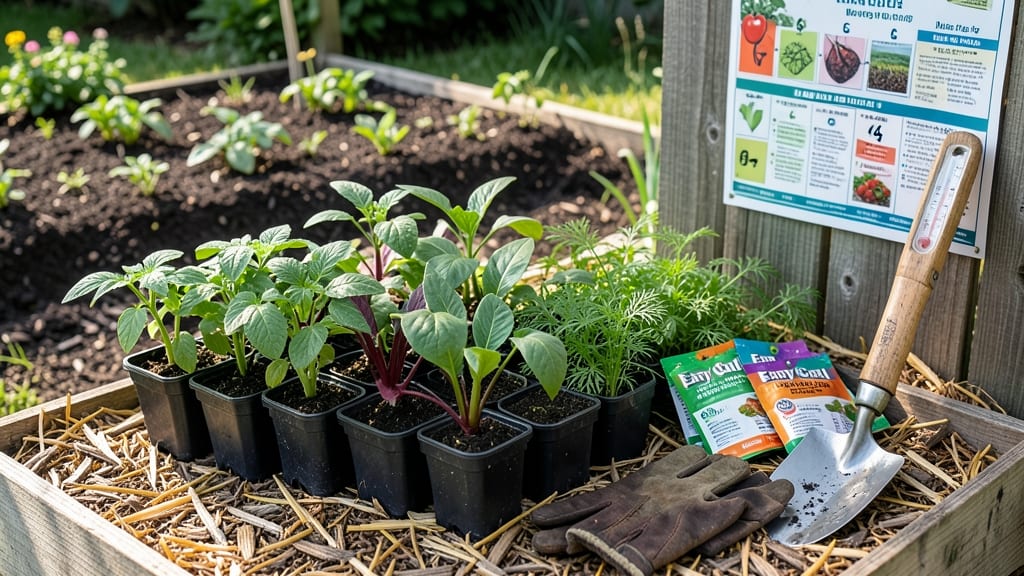
If you're asking "when can I plant my garden in Michigan", timing is the difference between a thriving harvest and wasted seeds. Michigan's USDA Zones 5-6 mean frost can still strike well into May, so knowing your exact planting window is critical for success.
I've spent years watching Michigan gardens transform from frozen ground to lush beds, and the key is understanding your local frost dates.
Whether you're planting cool-season crops like spinach or warm-season favorites like tomatoes, getting the timing right ensures your plants have enough time to mature before the first frost hits in fall.
Don't let uncertainty hold you back—this guide will walk you through Michigan's planting timeline, from calculating your frost-free days to adjusting for microclimates. You'll learn exactly when to plant each crop, how to extend your growing season, and common mistakes to avoid.
Let's get your garden growing on the right schedule so you can enjoy fresh produce all season long. With the right timing, you'll be harvesting like a pro by summer!
Michigan last frost dates by region: USDA Zones 5-6 planting timeline
Michigan’s USDA Zones 5-6 create a 10-14 day difference in last frost dates between northern and southern regions. For example, Traverse City (Zone 5) typically sees its final spring frost around May 15, while Detroit (Zone 6) averages May 1.
These dates determine when you can safely plant warm-season crops like tomatoes and peppers.
Northern Michigan’s shorter growing season means gardeners must prioritize cold-hardy vegetables like spinach and peas in early spring. Southern Michigan’s longer frost-free period allows for later plantings of heat-loving crops such as melons and okra. Understanding these regional differences helps avoid frost damage and maximizes your harvest potential.
Microclimates add another layer of complexity. Urban areas like Ann Arbor may experience earlier last frosts due to heat islands, while rural Upper Peninsula zones can have delayed spring warming. Always check local weather forecasts and historical data from Michigan State University Extension for precise timing.
| Region | USDA Zone | Last Spring Frost (Avg.) | First Fall Frost (Avg.) | Frost-Free Days |
|---|---|---|---|---|
| Northern Michigan | 5 | May 15 - May 25 | September 20 - October 5 | 120-130 days |
| Southern Michigan | 6 | May 1 - May 10 | October 10 - October 25 | 140-150 days |
| Upper Peninsula | 5 | May 20 - June 1 | September 10 - September 25 | 110-120 days |
For cool-season crops like lettuce and kale, you can start planting as early as March or April under row covers or in cold frames. These hardy plants tolerate light frosts and can even thrive in 30-40°F soil temperatures.
In contrast, warm-season crops such as cucumbers and beans need soil temperatures above 55°F to germinate successfully.
One of my favorite tricks is using biodegradable plant pots for warm-season starts. This allows me to transplant seedlings directly into the garden after the last frost, giving them a head start.
For Northern Michigan gardeners, I recommend starting these indoors by April 1 to ensure they’re ready by mid-May.
Don’t forget about fall planting! Southern Michigan’s longer frost-free season lets you extend your harvest into late October. Try planting spinach, radishes, and turnips in early September for a cool-weather bounty before the first frost.
In Zone 5, focus on faster-maturing crops like bush beans and lettuce for a late-season harvest.
To track frost dates locally, I rely on Michigan State University’s Garden Calendar and the Old Farmer’s Almanac app. These tools provide hyperlocal frost predictions and help me adjust my planting schedule year to year.
For example, my Zone 5 garden in Gaylord often experiences a 10-day delay compared to Grand Rapids (Zone 6).
If you’re unsure about your exact last frost date, use the 140-day rule for Southern Michigan and 120-day rule for Northern Michigan. Count backward from your average first fall frost to determine when to plant.
For instance, if your first frost is October 15, subtract 140 days to find your ideal planting window.
For container gardening, remember that pots warm up faster than soil. You can plant warm-season crops 2-3 weeks earlier in containers, as they’re less affected by cold soil. Just ensure your containers have drainage holes and use lightweight potting mix to prevent overheating.
Finally, always have a backup plan for late frosts. I keep row covers and plastic mulch on hand to protect tender plants. This extra layer of insulation can buy you 1-2 weeks of growing time if an unexpected frost threatens your garden.
How to calculate your exact planting window using Michigan’s frost-free days
Michigan’s 140-day growing season is your golden rule—it’s the average number of frost-free days between last spring frost and first fall frost. To pinpoint your planting window, start by finding your last frost date.
In Zone 5 (Northern Michigan), this typically lands between May 10-20, while Zone 6 (Southern Michigan) sees it around April 25-May 10. Subtract 140 days from your first fall frost date (usually September 20-30) to confirm your window.
Next, use the Michigan State University Garden Calendar or apps like the Old Farmer’s Almanac to adjust for your exact location. These tools account for microclimates—like urban heat islands in Detroit or cooler lakeside areas in Traverse City.
For example, Detroit’s last frost might average May 5, while nearby rural areas could be a week later. Always verify with local data to avoid costly mistakes.
🌱
Find your last frost date: Check historical averages for your USDA Zone 5-6 area. Use resources like Michigan State’s frost maps or the National Weather Service.
Calculate your frost-free window: Subtract your last frost date from your first fall frost date (typically September 20-30). This gives your 140-day growing season baseline.
Adjust for soil warmth: Use a soil thermometer—most warm-season crops (tomatoes, peppers) need soil at 60°F+. In Michigan, this often means waiting until late May in Zone 5.
Plan succession plantings: For fast-growing crops (lettuce, radishes), sow seeds every 2-3 weeks after your last frost to extend harvests. Example: Plant radishes every 10 days from May to July.
Use row covers or cold frames to push early plantings. This can add 2-3 weeks to your growing season for cool-season crops like spinach or kale.
Pro tip: Direct-sow hardy crops like peas and lettuce 2-3 weeks before your last frost date. These tolerate light frosts and give you an early harvest. For transplants (tomatoes, peppers), wait until 2 weeks after your last frost to avoid shock.
Always check seed packets for “days to maturity”—this tells you how many weeks you have to harvest before frost.
For container gardeners, remember that pots warm up faster than soil. You can plant warm-season crops 1-2 weeks earlier in containers, but monitor soil temps closely. If your soil thermometer reads below 55°F, delay planting until conditions improve.
This small adjustment can mean the difference between a thriving garden and a failed crop.
🌿