
Plants
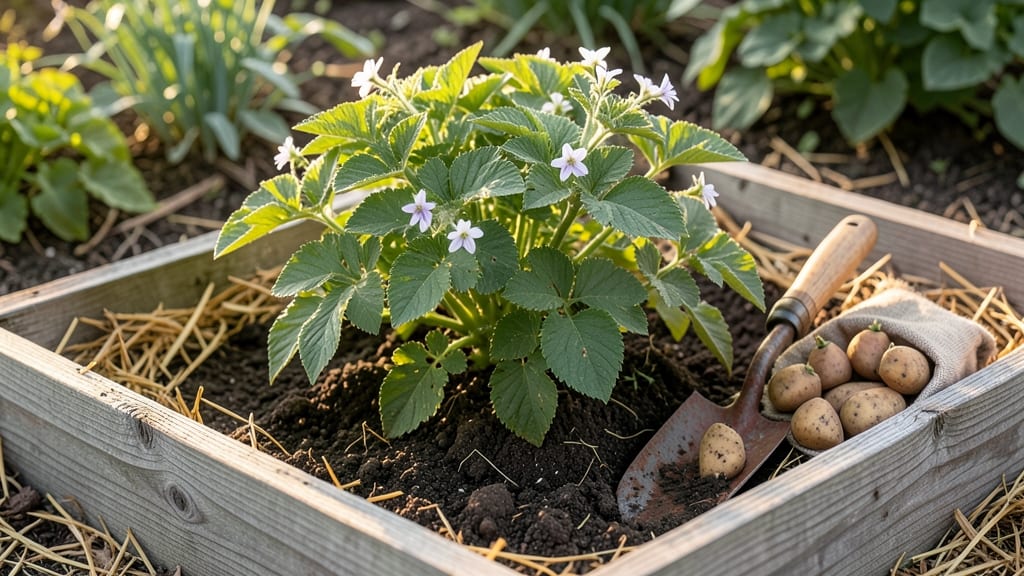
If you’ve ever wondered when can you plant potatoes in Texas, the answer isn’t one-size-fits-all—thanks to our wild swings from frost to scorching heat. In North Texas, where last frost hits around March 15, you’ll want to get those 🥔 in the ground by late February.
But down in South Texas, where frost is rare, February through April works perfectly—just avoid the brutal summer months.
Texas’ diverse heat zones (from 7b-8a in the Panhandle to 9a-11 in the Rio Grande Valley) mean your neighbors might be harvesting while you’re still prepping soil.
The key? Plant 2–3 weeks before your last frost date and choose varieties that handle heat—like Yukon Gold or Red Pontiac—without wilting under Texas sun.
Here’s the game-changer: Early planting (fall or winter) in cooler zones can yield a spring harvest, but soil temps matter too. Aim for 45–55°F—any colder, and your spuds rot; any hotter, and they’ll bolt.
I’ll break down the exact months for your zone, plus how to beat Texas’ unpredictable weather for a bumper crop.
Ready to dig in? Let’s map out your 🥔 planting calendar so you’re harvesting crisp, homegrown potatoes instead of scrambling at the grocery store. Your Texas garden will thank you!
Texas potato planting calendar by heat zone (exact months)
Texas’ 11 heat zones create wildly different planting windows for potatoes. In North Texas (Zones 7b-8a), where frost lingers until March 15, you’ll need to plant early varieties by late February to avoid rot.
Meanwhile, South Texas (Zones 9a-11) gardeners can start as early as January—but must harvest before summer’s brutal heat sets in by May. The key? Match your variety to your zone’s frost-free days (200+ in North Texas, 260+ in South Texas).
Don’t assume one-size-fits-all advice works here. A Red LaSoda planted in Amarillo (Zone 7b) in April will bolt in the heat, while the same variety thrives in San Antonio (Zone 8b) if planted in February.
Even within regions, microclimates matter—hill country stays cooler than urban areas, delaying planting by 1-2 weeks. Use your local AgriLife Extension data for precise frost dates, but here’s your zone-by-zone cheat sheet.
| Heat Zone | Last Frost Date | Ideal Planting Window | Harvest Window | Best Varieties |
|---|---|---|---|---|
| North Texas (7b-8a) | March 15 | Late Feb–Early Mar | April–June | Yukon Gold, Red Pontiac |
| Central Texas (8a-9a) | February 15 | February–March | March–May | Kennebec, Purple Viking |
| South Texas (9a-11) | January 15 | January–April | March–May | Sweet Potato, Red LaSoda |
| West Texas (8a-9b) | March 1 | Late Feb–Early Mar | April–June | Russian Banana, Fingerling |
If you’re in Zone 8a or warmer, you can even try a fall planting for a winter harvest. Plant seed potatoes in October (after soil temps drop below 80°F) and harvest before January’s first frost.
This works best in Central and South Texas—just use early-maturing varieties like Adirondack Red to beat the heat.
Pro tip: Soil temperature matters more than air temperature. Wait until soil reaches 45°F—use a soil thermometer to check. Cold soil slows sprouting, while warm soil (above 85°F) stresses tubers.
In Houston (Zone 9a), that means planting in February when days are still cool, not April when pavement radiates heat.
For container gardening, adjust your timeline by 2 weeks earlier—pots warm up faster. Fill containers with lightweight potting mix (avoid garden soil) and place them in partial shade during 100°F+ days to protect tubers.
Just remember: no container should hold more than 10 pounds of potatoes—they’ll rot if crowded.
Missed the spring window? Don’t panic. South Texas gardeners can plant a second crop in September for a winter harvest. Choose heat-tolerant varieties like Sweet Potato or Red LaSoda, and harvest before December’s first frost. Just mulch heavily with straw to insulate tubers from freeze-thaw cycles.
One common mistake? Planting too deep in heavy Texas clay. Aim for 4-6 inches deep, but hill soil as plants grow to prevent greening (toxic solanine buildup).
In East Texas, where humidity is high, space rows 18 inches apart for airflow—fungal diseases like late blight thrive in crowded, damp conditions.
Track your progress with a planting journal. Note your zone, variety, and exact planting date. Over time
How to adjust planting for Texas’ unpredictable weather
Texas weather can be as unpredictable as a summer storm—one day scorching, the next freezing. To protect your potato harvest, adjust planting based on soil temperature, rainfall patterns, and heat waves.
Start with cold-hardy varieties in North Texas, where late frosts can linger until March 15.
In Central and South Texas, where heat arrives early, focus on fast-maturing varieties (like Yukon Gold) to harvest before June’s brutal heat. Always monitor soil temps—potatoes thrive when soil stays 50–60°F at planting.
⚠️ Texas-Specific Risks
- Sudden Freezes: Use row covers if temps drop below 32°F.
- Drought Stress: Mulch with straw to retain moisture.
- Heat Scorch: Plant in partial shade if summer temps exceed 95°F.
Pro Tip: Test soil moisture weekly—potatoes need 1 inch of water per week but hate soggy soil.
For North Texas gardeners, consider fall planting (September–October) to avoid spring heat. In South Texas, where frost is rare, plant year-round but prioritize winter varieties (like Red Pontiac) for cooler months.
Use drip irrigation to avoid fungal diseases from overhead watering. If your area faces flash floods, raise beds to improve drainage. Always rotate crops—never plant potatoes in the same spot two years in a row to prevent disease buildup.
Finally, keep an eye on local forecasts. If a heat wave is predicted, shade plants with burlap sacks or agricultural fabric. With these adjustments, your potato patch will thrive despite Texas’ wild weather swings.