
Plants
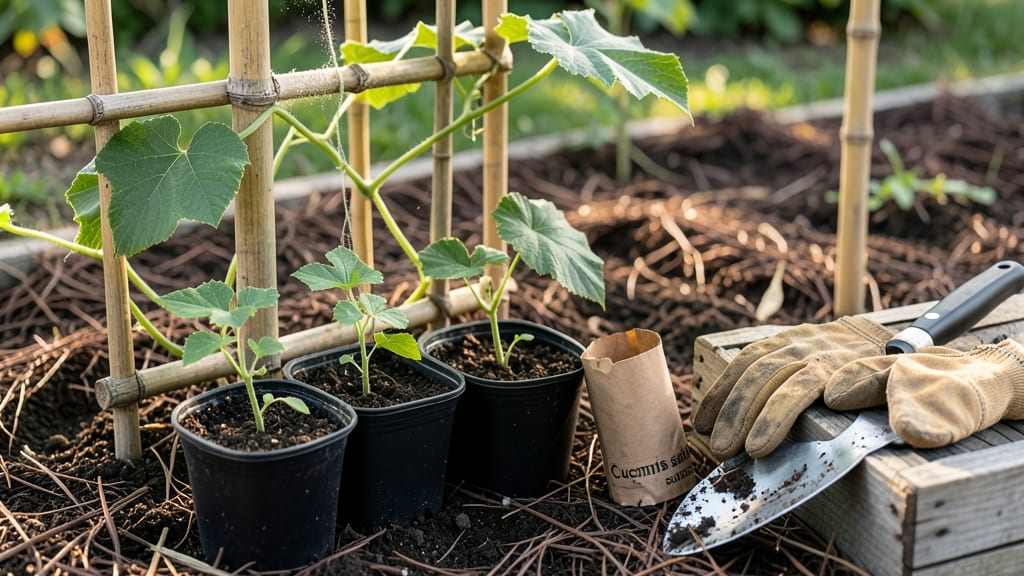
Planting cucumbers in Oklahoma at the wrong time can mean the difference between a bountiful harvest and wasted effort. With the state's 7a-7b climate and unpredictable spring weather, knowing when to plant is the key to success.
The ideal window runs from mid-April through mid-June, but timing varies by county and microclimate.
Most Oklahoma gardeners wait until after the last frost date—typically around mid-March for southern counties but later in the Panhandle. However, soil temperature matters just as much as air temperature.
Cucumbers need warm soil (60°F or higher) to germinate properly, which often means waiting until late April or early May in many regions.
Whether you're growing cucumbers in-ground or containers, proper timing ensures healthy vines and abundant 🥒 production. This guide breaks down the best planting windows, soil prep tips, and adjustments for Oklahoma's diverse growing conditions. Let's get your cucumbers off to the right start.
From heat-tolerant varieties to pest management strategies, we'll cover everything you need to know to maximize your harvest from June through October. Don't let timing mistakes cost you this year's crop—start planning now for a successful growing season.
Oklahoma cucumber planting dates by last frost & soil temperature
Oklahoma’s USDA zones 7a-7b mean your cucumber planting window is short but sweet—typically mid-April to mid-June. However, exact timing depends on your county’s last frost date and whether you’re growing direct-sown seeds or transplants.
Most of Oklahoma sees its last frost around March 15, but northern counties like Woods or Alfalfa can wait until April 15.
For best results, wait until the soil reaches 55-60°F—cucumber seeds won’t germinate well in cooler soil. Use a soil thermometer to check, especially in clay-heavy soils common in central Oklahoma, which warm up slower.
Southern counties like Choctaw or Bryan can plant as early as late March if nights stay above 50°F.
Here’s how to align your planting with Oklahoma’s frost-free timeline:
| Region | Last Frost Date | Ideal Planting Window | Soil Temp Requirement | Notes |
|---|---|---|---|---|
| Northern OK (Panhandle) | April 1-15 | April 20-May 10 | 60°F+ | Use row covers for early starts |
| Central OK (Oklahoma City) | March 15-31 | April 10-May 15 | 55°F+ | Clay soil warms slowly |
| Southeastern OK (Tulsa) | March 1-15 | March 25-April 15 | 50°F+ | Can plant earlier with black plastic mulch |
| Southwestern OK (Lawton) | March 10-25 | April 1-May 10 | 55°F+ | Drought-prone; use drip irrigation |
For transplants, start seeds indoors 4-6 weeks before your last frost date. Use biodegradable pots to avoid root disturbance when moving outdoors. If you’re direct-sowing, plant seeds ½-inch deep and space them 2-3 feet apart for vining varieties or 12-18 inches apart for bush types.
Pro tip: Use black plastic mulch to warm soil faster in cooler regions. This can shave 1-2 weeks off your planting timeline by raising soil temps by 5-10°F. Just remove it once vines start running to prevent overheating.
Oklahoma’s first frost typically arrives November 15, but you can squeeze in a fall harvest by planting heat-tolerant varieties like ‘Straight Eight’ or ‘Lemon Cucumber’ as early as August 1. These varieties handle 90°F+ temps better than standard types.
Always check the Oklahoma Mesonet for real-time soil temps and weather forecasts. Their frost prediction maps are updated daily and can help you fine-tune your planting schedule by county.
Remember: Cucumbers thrive in heat, so don’t rush to harvest. The hotter the weather, the faster they’ll grow—just keep them well-watered to prevent bitter fruit. With the right timing, you’ll have homegrown cucumbers from June through October!
How to adjust planting times for Oklahoma’s microclimates & heat zones
Oklahoma’s diverse geography means planting times vary dramatically from the Panhandle’s high-desert climate to the southeast’s humid subtropical zones. In the Panhandle (USDA Zone 7a), where nights can still dip below freezing into early May, wait until late April to early May—after soil warms to 65°F.
Meanwhile, in southeastern counties like Choctaw or Pushmataha, you can start as early as mid-March if using row covers for protection.
Urban gardeners in Oklahoma City or Tulsa face a unique challenge: urban heat islands can push soil temperatures 5-10°F warmer than rural areas. Monitor soil temps with a soil thermometer—plant when it hits 60°F consistently. Even a 5°F difference can mean the difference between germination and failure.
For high-elevation areas like the Wichita Mountains, extend your season by planting heat-tolerant varieties like 'Straight Eight' or 'Lemon Cucumber'—these thrive in 90°F+ temperatures that would scorch other types. Start seeds indoors 4-6 weeks before your target outdoor date to give them a head start.
Adjusting for Oklahoma’s Microclimates
If you’re in a cooler microclimate, like the Arbuckle Mountains, use black plastic mulch to warm soil faster—it can raise temperatures by 5-8°F. For container growing, switch to 5-gallon pots and move them to warmer microclimates (like near a south-facing wall) during cooler mornings.
This simple shift can add 2-3 weeks to your growing season.
Don’t overlook fall planting in Oklahoma’s milder southern regions. Varieties like 'Sweet Success' can be sown as late as August 1 in USDA Zone 7b, giving you a second harvest before frost.
Just ensure 100+ days remain in your growing season—check your county’s first frost date (typically November 15) and count backward.
Pro tip: Oklahoma’s erratic rainfall means drought can strike fast. Plant drought-tolerant varieties like 'Diva' or 'Corinto' in high-desert areas, and always pair with drip irrigation to maintain consistent moisture. Even a 3-day dry spell can stress cucumbers, reducing yields by 30%.
With these microclimate adjustments, you’ll avoid the common pitfalls of planting too early or late. The key is monitoring soil temps, choosing the right varieties, and leveraging Oklahoma’s diverse growing conditions to your advantage. Your 🥒 harvest will thank you!