
Plants
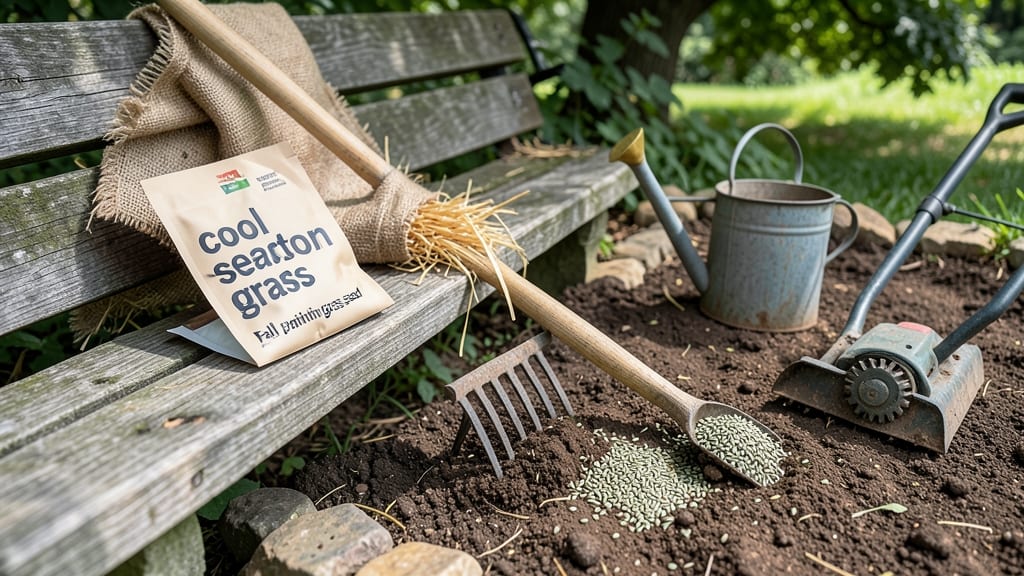
Planting grass seed in the fall is your secret weapon for a thicker, greener lawn next spring—but timing it wrong can leave you with patchy results. The 4-6 week window before frost in zones like 6a is ideal, but cooler temperatures and regional frost dates mean your perfect moment varies.
Why does fall work so well? Cooler weather helps seeds germinate without the stress of summer heat, while reduced weed competition gives your grass a fighting chance. In USDA Zone 6a, that usually means aiming for late September through October, but your local frost date is the real deadline.
I’ll walk you through the exact planting window for your region, plus how to prep your soil and choose the right seed type for maximum success. Skip the guesswork—let’s get your lawn off to the best possible start.
From aerating to watering schedules, you’ll learn the 3 key steps that make fall planting foolproof. Ready to transform bare spots into lush turf? Let’s dive in.
Best fall grass seed planting dates by US climate zone
Timing your fall grass seed planting correctly ensures strong root growth before winter dormancy. The ideal window is 4-6 weeks before your first frost, but this varies dramatically across the U.S. Northern climates need earlier starts, while Southern regions can plant later.
Let’s break it down by zone to avoid wasted seeds or weak germination.
In USDA Zones 3-5 (northern states like Minnesota, Vermont, or Michigan), aim to plant between mid-August and mid-September. Cooler temperatures and shorter days create perfect conditions for germination without summer heat stress. Soil temps should hover around 60-75°F—too hot or too cold slows growth.
For USDA Zones 6-8 (Midwest to Southern states like Missouri, Georgia, or Virginia), the window stretches from early September to early October. These areas benefit from milder falls, allowing seeds to establish roots before winter’s chill. Wait until daytime highs drop below 85°F to prevent seed drying.
In Zones 9-11 (California, Florida, or Texas), fall planting runs from late August to mid-November. Southern climates stay warm longer, but seeds still need cooler temps to germinate. Plant when soil temps dip below 80°F—afternoon showers help maintain moisture.
| USDA Zone | Best Planting Window | Soil Temp Threshold | Key Tip |
|---|---|---|---|
| Zones 3-5 | Mid-August to Mid-September | 60-75°F | Aerate 2 weeks before planting |
| Zones 6-8 | Early September to Early October | 55-70°F | Test soil pH (6.0-7.0 ideal) |
| Zones 9-11 | Late August to Mid-November | Below 80°F | Water deeply 2x daily |
Regional exceptions matter! The Pacific Northwest (e.g., Oregon, Washington) can plant as late as October due to mild winters, while the Deep South (e.g., Alabama, Louisiana) may need to finish by early November to avoid winter rains.
Check your local frost dates—the USDA Plant Hardiness Zone Map is your best tool.
Pro tip: Use a soil thermometer to confirm temps. If soil stays above 80°F for more than a week, delay planting. Cooler nights and consistent moisture are your allies—these conditions help seeds germinate without drying out.
Overseeding existing lawns? Plant 2-3 weeks earlier than new lawns to give seeds time to compete with established grass. In cool-season grasses (like Kentucky bluegrass or fescue), fall planting lets roots grow deep before winter, resulting in 25-30% thicker turf next spring.
Missed your window? Don’t panic. Early spring (March-April) is your backup, but germination rates drop by 15-20% compared to fall. Prioritize soil prep—loose, moist soil is critical for spring success.
🌱
How to prepare your lawn for fall grass seed planting
Preparing your lawn properly before planting grass seed in fall is the secret to a thick, healthy lawn next spring. Cool temperatures and fewer weeds make fall the perfect time—but only if your soil and conditions are ready.
Start by testing your soil's pH level, which should be between 6.0 and 7.0 for most grass types. If it's off, you can adjust it with lime (to raise pH) or sulfur (to lower it) about 2-3 months before planting.
Next, clear your lawn of debris, weeds, and thatch. Use a raking tool to remove leaves and dead grass, then apply a pre-emergent herbicide if weeds are a problem.
This step is critical because weeds compete with grass seeds for nutrients and space. For stubborn weeds, consider spot-treating with a post-emergent herbicide a few weeks before planting.