
Plants
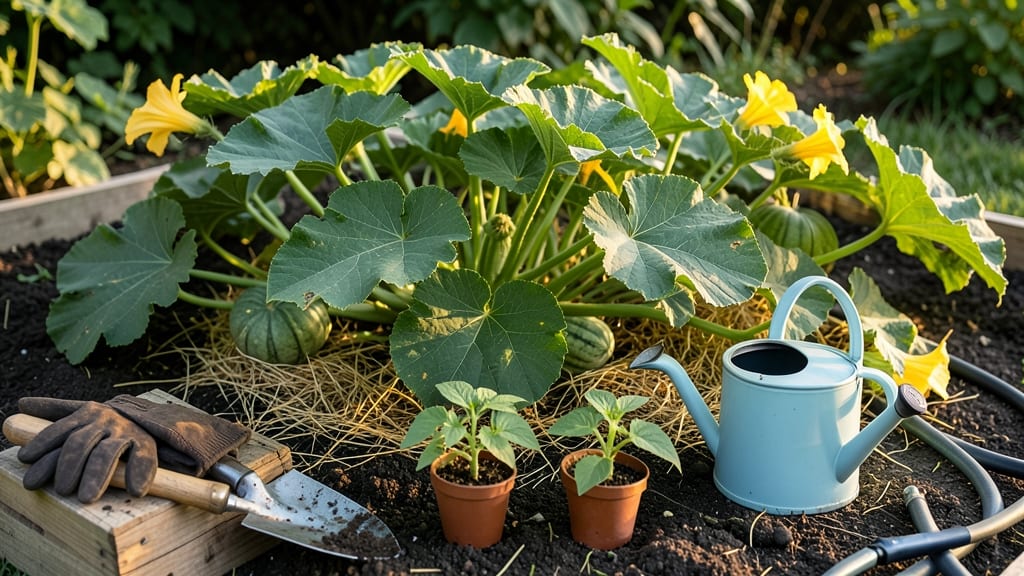
Planting pumpkins in Arizona isn’t just about timing—it’s about outsmarting the desert’s relentless heat and unpredictable rains. With mid-February to mid-March as your prime window, you’ll give those 🎃 vines the best shot at thriving before summer’s scorching peak.
Most Arizona gardeners skip the frost-worrying part entirely since Zone 9b stays warm year-round, but the real challenge is heat tolerance. Plant too early, and your pumpkins bolt; too late, and they wilt before harvest. The key? Wait until soil hits 70°F (21°C)—that’s when germination gets serious.
You’ll also want to choose varieties bred for desert conditions, like ‘Cinderella’ or ‘Jackpot,’ which handle heat better than standard pumpkins. Plus, spacing vines 3-5 feet apart keeps them from competing for moisture in dry soil.
Ready to grow? I’ll walk you through the full schedule—from soil prep to harvest—so your pumpkins beat the Arizona heat instead of wilting under it.
Optimal pumpkin planting times in Arizona’s climate zones
Arizona’s frost-free growing season and extreme heat create unique challenges for pumpkin growers. Unlike northern states, you won’t worry about frost damage, but soil temperature and monsoon timing become critical.
Planting too early risks heat stress on young seedlings, while waiting too long may shorten your harvest window before summer’s peak temperatures.
The key is targeting soil temperatures of 70°F (21°C)—when the ground warms enough for quick germination but before the 100°F+ (38°C) heatwaves hit.
Most Arizona regions hit this sweet spot between mid-February and mid-March, but high-elevation areas like Flagstaff may wait until late April to avoid early-season cold snaps.
Phoenix and Tucson (USDA Zone 9b-10a) offer the longest growing seasons, allowing for two planting windows: a spring crop for summer harvests and a late-summer crop for fall. Meanwhile, Flagstaff and Sedona (Zone 7b-8a) benefit from cooler nights, extending the window slightly later in the year.
Avoid planting during Arizona’s monsoon season (July-September), when sudden downpours can rot seeds and fungal diseases thrive in the humidity. Instead, aim for dry, warm conditions that mimic the pumpkin’s native tropical origins.
For container growing, start seeds indoors 4-6 weeks before your target outdoor date to give them a head start. Harden off seedlings gradually to prevent transplant shock—a common issue in Arizona’s intense sun.
Here’s how planting windows break down by region, including heat tolerance thresholds and moisture availability:
For a second harvest, plant late July to early August for a fall crop. This works best in cooler microclimates like the White Mountains or higher elevations, where nights stay cooler. In Phoenix, this window risks bolting (premature flowering) due to heat stress.
Pro tip: Use a soil thermometer to confirm temperatures before planting. If your soil hasn’t warmed to 70°F (21°C), wait—cold soil delays germination and invites rot diseases. In Arizona’s desert, this often means waiting until March for low deserts or April for higher elevations.
Once planted, mulch heavily with straw or wood chips to retain moisture and regulate soil temperature. This is especially critical in 100°F+ heat, where exposed soil can reach 140°F (60°C), cooking young roots.
Timing your pumpkin planting around Arizona’s microclimates and monsoon patterns ensures you avoid the worst heat while maximizing your harvest window. Next, we’ll cover the best heat-resistant varieties that thrive in these conditions.
Optimal pumpkin planting times in Arizona’s climate zones
Arizona’s frost-free year-round climate means pumpkin planting revolves around heat tolerance and monsoon moisture. Unlike northern states, you won’t need to wait for spring thaw—just soil temperatures above 70°F (21°C). This typically lands between mid-February and mid-March for summer harvests, or late July to August for fall varieties.
However, Arizona’s microclimates create huge variations. Low desert areas like Phoenix and Tucson can plant earlier, while Flagstaff’s cooler high elevations may delay until late April. The key is avoiding extreme summer heat (above 100°F/38°C) during flowering, which can cause fruit abortion.
| Region | Best Planting Window | Key Consideration | Harvest Period |
|---|---|---|---|
| Phoenix/Tucson (Low Desert) | Mid-February to Early March | Soil warms fast; plant when soil hits 70°F | July - September |
| Sedona/ Prescott (Mid-Elevation) | Late March to Early April | Cooler nights delay germination | August - October |
| Flagstaff (High Elevation) | Late April to Mid-May | Frost risk until May 15 | September - November |
| Yuma (Imperial Valley) | January to February | Extreme heat arrives by May | May - July |
For fall harvests, aim for late July to August plantings in low desert areas. This gives pumpkins 90-120 days to mature before winter temperatures drop. In high-elevation areas, you might extend into early September for a late-fall harvest.
Pro tip: Use shade cloth during peak summer (June-August) to protect young vines from heat stress. A 30-50% shade cloth can lower soil temps by 10-15°F, giving your plants a fighting chance during 110°F+ days.
Always test your soil temperature with a soil thermometer before planting. Cold soil (below 65°F/18°C) will delay germination by weeks, leaving your pumpkins vulnerable to bolting or pests when summer finally arrives.
Remember: Staggered plantings every 2-3 weeks ensure a continuous harvest and reduce pressure on your water supply during Arizona’s monsoon season.