
Plants
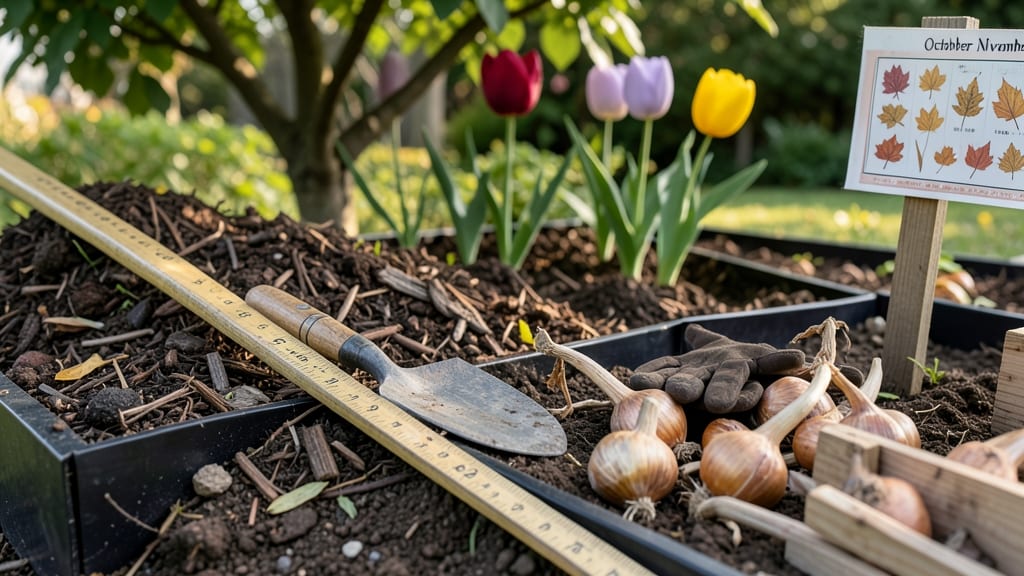
Planting your tulip bulbs at the wrong time in North Carolina could mean frost-nipped blooms or wasted effort—so timing is everything. The ideal window for 🌷 tulip planting here spans October through December, but your exact zone (6a-8a) determines the precise deadline to avoid winter damage.
Why does this matter? In Zone 7a, you’ve got until mid-November to plant, while Zone 8b gardeners can stretch it to early December. The key is getting bulbs in the ground 4-6 weeks before frost, giving roots time to establish before winter sets in.
I’ll walk you through the exact months for your zone, soil prep tricks to boost survival, and how to adjust for North Carolina’s unpredictable weather. No more guessing—just science-backed timing for zero frost risk and vibrant spring blooms.
Ready to transform your garden? Let’s dive into the perfect planting schedule tailored to your corner of the Tar Heel State, so you can enjoy those 🌷 tulips come April without a hitch.
North Carolina tulip planting calendar by USDA Zone: exact months to avoid frost damage
North Carolina’s USDA zones 7a-8b create a tricky balance for tulip lovers—too early, and bulbs sprout before winter kills them; too late, and they won’t establish roots before dormancy. The key is timing bulbs 4-6 weeks before the first hard frost, which varies by 10-14 days across the state.
Let’s break it down by zone so you can plant with confidence.
Most of North Carolina falls into zones 7a-8b, where average first frosts range from November 15 in mountains (Zone 7a) to December 10 in coastal areas (Zone 8b). This means your planting window shifts from mid-October to early December, depending on elevation and microclimates.
For example, Asheville gardeners should plant by November 15, while Wilmington’s window stays open until December 10.
Here’s the exact planting calendar tailored to NC’s zones, including soil temperature thresholds and frost-free deadlines to maximize bulb survival:
| USDA Zone | First Frost Date | Ideal Planting Window | Soil Temp Threshold | Actionable Deadline |
|---|---|---|---|---|
| Zone 7a (Mountains) | Nov 15 | Oct 15–Nov 15 | 45–55°F | Plant by Nov 15 |
| Zone 7b (Piedmont) | Nov 20 | Oct 20–Nov 20 | 45–55°F | Plant by Nov 20 |
| Zone 8a (Coastal Plains) | Nov 25 | Oct 25–Nov 25 | 50–60°F | Plant by Nov 25 |
| Zone 8b (Coastal) | Dec 10 | Nov 1–Dec 10 | 55–65°F | Plant by Dec 10 |
🌱 Pro Tip: Use a soil thermometer to confirm temps—bulbs need 6-8 weeks to root before frost.
Why these deadlines? Tulips need 4-6 weeks of cool soil temps (45–65°F) to establish roots before dormancy. Planting too early in Zone 8b risks premature sprouting, while late plantings in Zone 7a may not root before frost.
For example, if your soil stays above 60°F in November, delay planting until temps drop.
Microclimates matter too. Urban areas like Raleigh often experience 5–10°F warmer soils than rural zones due to pavement heat retention. If you’re unsure, err on the later side of the window—bulbs can handle a few weeks of cold soil better than they can handle premature warmth.
Always plant bulbs 6–8 inches deep and 4–6 inches apart for optimal spacing.
For late bloomers (e.g., Darwin hybrids), push the deadline by 1–2 weeks—they tolerate slightly later plantings. Conversely, early bloomers (e.g., Greigii tulips) need the full window to avoid frost damage. Mulch with 3–4 inches of straw or shredded leaves after planting to insulate bulbs and regulate soil temps.
If you’re in Zone 7a and miss the Nov 15 deadline, don’t panic—plant bulbs in January for a smaller but still viable bloom next spring. The key is ensuring bulbs get at least 6 weeks of chilling before spring growth.
For Zone 8b gardeners, December plantings can still work if you mulch heavily and avoid waterlogging.
Use your local Cooperative Extension Service (like NC State’s) for hyper-local frost data—some years, early December frosts hit Zone 8b unexpectedly. Mark your calendar for November 15–25 as the sweet spot for most of NC, and adjust based on your microclimate.
With this timeline, you’ll enjoy bold, healthy tulips next spring—no frost surprises included.
5 Critical factors that determine your perfect tulip planting date in NC (beyond just months)
North Carolina’s USDA zones 7a-8b create unique challenges for tulip planting—your ideal window isn’t just about months, but soil temperature, bulb variety, and even your yard’s microclimate. I’ve planted tulips in Zone 7b for years, and these five factors often shift my timeline by 2-4 weeks either way.
First, soil temperature is your #1 guide. Tulip bulbs need 40-50°F soil to root before winter dormancy kicks in. In mountain zones (7a), this happens by mid-October, while coastal areas (8b) can wait until early December.
Use a soil thermometer—it’s the only way to know for sure.
🌱 Numbered Highlights
- Soil Temp: Plant when soil hits 40-50°F (use a thermometer!)
- Bulb Type: Early bloomers (e.g., Darwin Hybrids) need 6-8 weeks of chill; late bloomers (e.g., Fosteriana) tolerate 4-6 weeks.
- Microclimate: Urban areas stay 5-10°F warmer than rural zones—adjust dates 1-2 weeks later.
- Mulching: Add 3-4 inches of straw after planting to insulate bulbs and extend your window by 10-14 days.
- Frost Risk: Check your average first frost date (NC: Nov 15) and plant 4-6 weeks before.
Next, your tulip variety matters more than you’d think. Early bloomers like Darwin Hybrids need 6-8 weeks of winter chill to flower, so plant them 6-8 weeks before your last frost. Late bloomers (e.g., Fosteriana) only need 4-6 weeks—perfect for Zone 8b gardeners who want December planting.
Don’t overlook your yard’s microclimate. Urban areas with heat islands (like Raleigh) can stay 5-10°F warmer than rural zones, delaying soil cooling. If your yard stays warm, plant 2 weeks later than the zone average. Conversely, mountain slopes (e.g., Asheville) freeze earlier—plant 2 weeks sooner.
Pro tip: Mulching can extend your planting window by 10-14 days. After planting, add 3-4 inches of straw to insulate bulbs. This creates a warmer microclimate around the bulbs, helping them root even if soil temps dip slightly.
Just avoid thick mulch in Zone 7a—it can cause rot if winters are harsh.
Finally, check your frost risk beyond the average date. Use the National Weather Service’s frost calendar for your specific county—some areas (like the Piedmont) get late-season frosts in March.
If your bulbs sprout too early, they’ll suffer. Plant 4-6 weeks before your last frost to give roots time to establish before dormancy.