
Plants
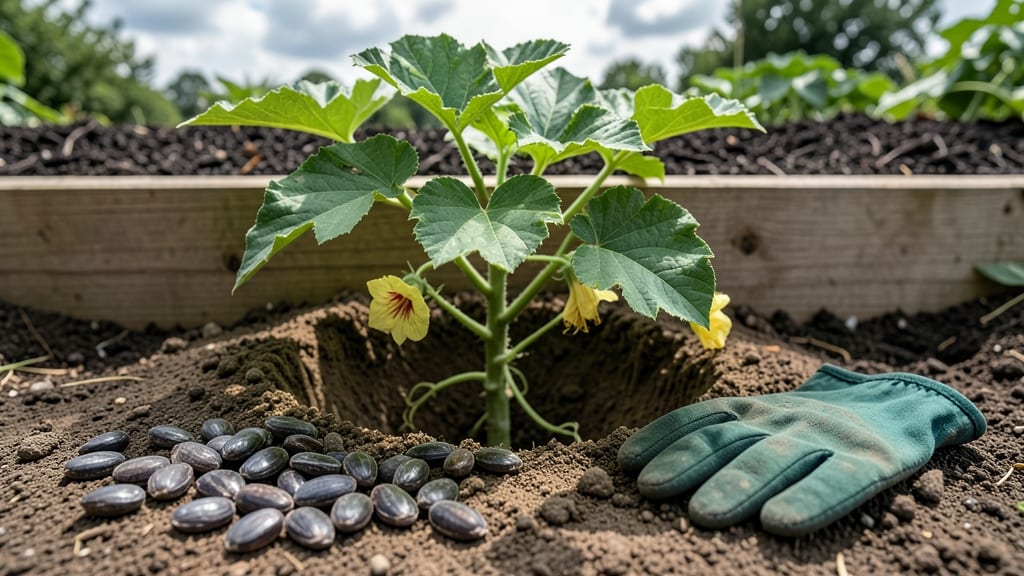
Planting watermelon seeds in California isn’t just about throwing seeds into the dirt—it’s a heat-zone dance where timing makes the difference between a bountiful harvest and a wasted season.
With the state’s 9b-10a zones offering everything from coastal breezes to desert sun, knowing when to plant ensures your 🍉 seeds germinate fast and thrive.
If you’ve ever watched your watermelon seeds sit in cold soil for weeks without sprouting, you know the frustration. The key? Soil temperatures must hit 70°F+—a threshold that varies wildly across regions.
Whether you’re in frost-free coastal areas or inland heat pockets, missing this window means slower growth and fewer melons.
I’ll break down the exact planting windows for California’s microclimates, from coastal delays to desert earliness, plus pro tips to speed up germination. No more guessing—just science-backed timing for your fastest, juiciest harvest yet.
Ready to turn your garden into a watermelon powerhouse? Let’s dive into the perfect planting schedule so you can enjoy sweet, vine-ripened fruit by summer’s end.
California heat-Zone planting timeline for watermelon seeds
Watermelon seeds in California need precise timing to thrive—soil temperatures below 65°F (18°C) will stall germination, while waiting too long risks summer heat stress. The state’s three distinct climate zones (Coastal, Central Valley, Desert) each demand unique approaches to maximize your 60-90 day harvest window.
For Northern Coastal areas (Zone 9a), like San Francisco or Santa Barbara, aim to plant seeds after April 15 when nighttime temps consistently stay above 55°F (13°C).
Inland Central Valley regions (Zone 9b-10a), such as Fresno or Bakersfield, can start seeds as early as March 1, while Desert zones (Zone 10b+), like Palm Springs, enjoy year-round planting potential.
Soil temperature is your most critical gauge—use a soil thermometer to confirm 70°F+ (21°C+) before planting. Coastal areas may need to wait until May 15 to avoid chilly morning air, while desert gardens can plant anytime after January.
🌱
| Zone | Ideal Planting Window | Soil Temp Threshold | Key Consideration |
|---|---|---|---|
| Coastal (Zone 9a) | April 15 - May 15 | 70°F+ (21°C+) | Wait for consistent 55°F+ nights; use row covers for early starts. |
| Central Valley (Zone 9b-10a) | March 1 - April 15 | 65°F+ (18°C+) | Fastest germination in CA; plant in black plastic mulch for heat. |
| Desert (Zone 10b+) | January - December | 75°F+ (24°C+) | Year-round potential; shade cloth needed in peak summer (100°F+). |
| High Elevation (Zone 8) | May 1 - June 1 | 68°F+ (20°C+) | Short season; choose early-maturing varieties (55-65 days). |
In Central Valley regions, where March 1 kicks off the planting season, watermelon seeds germinate in 3-7 days under ideal conditions. The key is to pre-warm the soil by laying down black plastic mulch 2 weeks before planting—this raises soil temps by 5-10°F, accelerating germination.
For Coastal gardeners, patience is key. Planting too early risks seed rot from lingering coastal fog, while waiting until May 15 ensures consistent 70°F+ soil temps. Use a clear plastic tunnel to create a microclimate if you’re eager to start earlier.
Desert zones offer the most flexibility, but summer heatwaves (110°F+) can stress young plants. Start seeds indoors in February and transplant after April 1, using 50% shade cloth to protect seedlings during peak afternoon sun.
🌡️
Always check your local USDA frost-free date—even in California, unpredictable late frosts (like the 2021 Easter freeze) can devastate young vines. For Northern CA’s Zone 9, consider row covers until May 15 as a safety net.
Pro tip: Direct-sow seeds in mounds (not rows) for better drainage—a critical factor in California’s fast-draining soils. Space mounds 6 feet apart to accommodate 15-20 foot vines and plant 2-3 seeds per mound, thinning to the strongest seedling.
🪴
Indoor seed starting vs. direct sowing: CA-specific strategies
Deciding whether to start watermelon seeds indoors or sow them directly in California’s soil depends on your local microclimate and frost risk.
While most of California enjoys year-round growing potential, coastal areas like San Francisco (Zone 9b) may experience late frosts, while desert zones like Palm Springs (Zone 10a) can plant anytime. Let’s break down your options for fast, reliable germination.
For gardeners in Northern or coastal CA, starting seeds indoors 4-6 weeks before your last frost date gives seedlings a head start. However, watermelons are heat-loving and can bolt if transplanted too early. Use grow lights to mimic long summer days and keep soil temps above 70°F for germination.
| Method | Best For | Pros | Cons |
|---|---|---|---|
| Indoor Seed Starting | Coastal CA, late frosts | Earlier harvest, controlled environment | Transplant shock risk, higher cost |
| Direct Sowing | Desert CA, frost-free zones | No transplant stress, lower cost | Slower germination, weather-dependent |
If you choose direct sowing, wait until soil temps hit 70°F+ and all frost risk has passed. In most of California, this means after May 15, but desert areas can start as early as March.
Use a soil thermometer to avoid cold-soil shock, which delays germination by weeks.
For transplant shock prevention, harden off seedlings by placing them outdoors for 2-3 hours daily the week before transplanting. Gradually increase exposure to CA’s intense sunlight to avoid leaf scorch. Use shade cloth (30-50%) for the first few days post-transplant to ease the transition.
Pro tip: In Southern CA (Zones 9-10), you can even plant watermelon seeds year-round with proper soil warming. Use black plastic mulch or a cloche to raise soil temps 5-10°F faster than ambient air temperatures.
For heat acclimation, move potted seedlings to a sheltered outdoor spot during the day and bring them back inside at night. This mimics CA’s summer conditions and reduces transplant shock dramatically.