
Trees
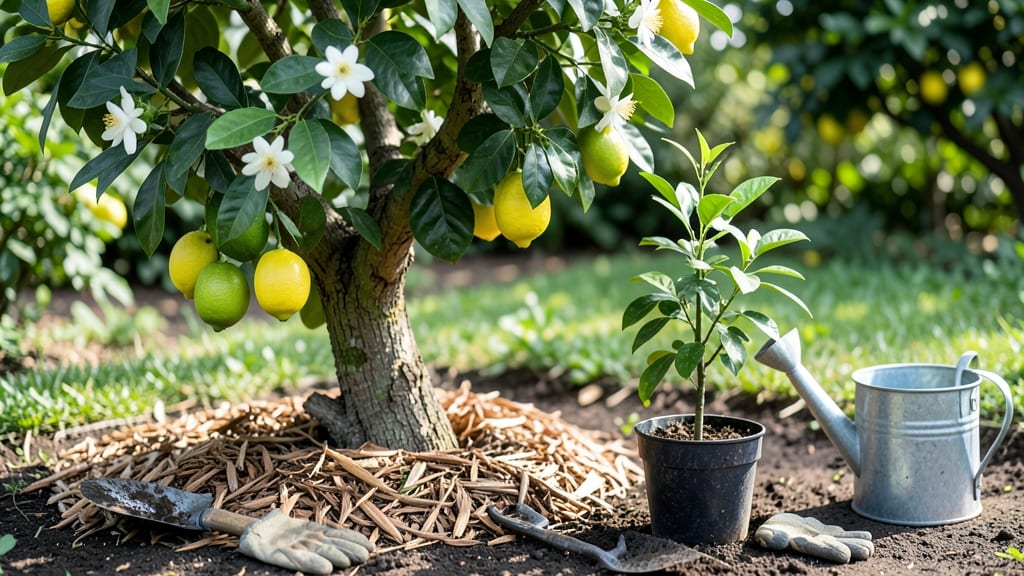
If you’ve ever dreamed of growing your own 🍊 citrus trees in Arizona, timing your planting could mean the difference between a thriving orchard and a sad, struggling sapling.
The best time to plant isn’t just about picking a month—it’s about reading your soil’s temperature cues and avoiding the pitfalls of summer heat or rare frost in higher elevations.
Here’s the thing: Arizona’s frost-free winters make citrus care simpler, but the real challenge is heat stress. Planting too early in cool months can leave roots vulnerable, while waiting too long risks shock when temperatures spike.
I’ll break down the exact windows that work for your zone, plus how to prep your tree for Arizona’s extreme swings—so you can enjoy homegrown oranges year-round.
You might think spring is the only safe bet, but fall actually gives your citrus tree a head start. We’ll cover soil warmth triggers, microclimate tricks, and even which varieties handle Arizona’s climate best.
Whether you’re in Phoenix or Flagstaff, these insights will help you plant with confidence—and skip the guesswork.
Ready to turn your backyard into a citrus paradise? Let’s dive into the optimal planting schedule, soil secrets, and pro tips that’ll have your tree flourishing faster than you’d expect. No more second-guessing—just a foolproof plan tailored to your corner of the Grand Canyon State.
Arizona’s optimal planting windows: soil temperature zones and frost-free deadlines
Arizona’s frost-free winters and intense summer heat create a narrow window for planting citrus trees. Unlike northern climates, your goal isn’t avoiding frost—it’s timing soil warmth to prevent transplant shock from extreme temperatures.
The best months are November through March, when soil temperatures stay between 60°F and 75°F—ideal for root establishment without heat stress.
Most of Arizona falls in USDA Zones 8-11, but microclimates vary wildly. Low desert areas like Phoenix (Zone 10b) have zero frost risk, while higher elevations like Flagstaff (Zone 7a) can see light frost in winter.
This means elevation adjustments are critical—plant in lower deserts by November and in higher elevations by late March to avoid late-season cold snaps.
Here’s the golden rule: Wait until the average daily low stays above 40°F and soil temperatures reach 60°F at 6 inches deep. Use a soil thermometer ($15 at garden centers) to verify—this is how pros avoid failed plantings.
For example, in Tucson (Zone 9a), November is perfect, while in Sedona (Zone 7b), March is safer.
| Planting Window | Soil Temp Requirement | Frost Risk | Best Arizona Regions | Risks to Avoid |
|---|---|---|---|---|
| Late Fall (Nov-Dec) | 60°F–70°F | None (low desert) | Phoenix, Yuma, Tucson | Summer heat stress if planted too early |
| Early Spring (Feb-Mar) | 65°F–75°F | Low (high desert) | Flagstaff, Prescott, Sedona | Late frost damage (Zone 7) |
| Avoid: Summer (May-Aug) | >85°F | N/A | All regions | Heat shock, root burn |
Spring planting (February–March) is a close second for high-desert areas, where soil stays cooler longer. In Phoenix, aim for mid-November to early January—this gives roots 3 months to establish before summer heat ramps up.
Pro tip: Mulch heavily (4–6 inches of wood chips) to regulate soil temps and retain moisture.
If you miss the fall window, April is a backup, but only for container-grown trees or those in shaded microclimates. Bare-root trees planted in April often suffer from transplant shock as temperatures climb.
For potted citrus, harden off gradually by moving them outdoors for 2–3 hours daily starting in March.
Never plant in summer (May–August)—even heat-tolerant varieties like ‘Carrizo’ citrange will struggle. The combination of high temps and low humidity causes root desiccation. If you must plant in summer, use shade cloth (30–50%) for the first 2 weeks and water daily at dawn to mimic monsoon conditions.
For container citrus, timing shifts slightly. Move potted trees outdoors in October and bring them back indoors (or under cover) by mid-May if night temps drop below 50°F.
Dwarf varieties like ‘Meyer’ lemon handle this better than standard trees, but root-bound plants are more vulnerable to heat stress.
Use the Arizona Cooperative Extension’s frost maps (available online) to check your specific county’s risk. For example, Maricopa County (Phoenix area) has zero frost risk, while Coconino County (Flagstaff) may see 2–3 frost days per year.
Adjust your planting date 2–4 weeks later if you’re in a higher-elevation zone.
Remember: Citrus roots thrive at 60°F–75°F. If your soil is colder than 55°F, roots stop growing—wasting your time. Use a minimum-maximum thermometer buried 6 inches deep for 2 weeks before planting to confirm conditions. This small investment prevents failed plantings.
Arizona’s optimal planting windows: soil temperature zones and frost-free deadlines
Arizona’s citrus planting success hinges on two critical windows: fall (October–November) and early spring (February–March). These periods align with soil temperatures between 60°F–75°F, ideal for root establishment without summer heat stress or winter chill risks.
In low-desert areas like Phoenix (Zone 10b–11), you can plant as late as December, while high-desert regions (e.g., Flagstaff, Zone 7b) must plant by October to avoid rare frost.
Use a soil thermometer to confirm warmth—roots need consistent 65°F+ soil for 3+ days before planting. In November, soil temps in Tucson drop below 60°F, signaling it’s time to cover young trees with frost cloth.
Pro tip: Avoid planting in April—soil heats too quickly, causing transplant shock and leaf scorch within weeks.
| Planting Window | Soil Temp Requirement | Frost Risk | Best Varieties |
|---|---|---|---|
| Fall (Oct–Nov) | 60°F–75°F | Low (Zone 9+) | Satsuma, Carrizo citrange |
| Early Spring (Feb–Mar) | 65°F+ | None (Zone 10+) | Meyer lemon, Calamondin |
| Avoid: April–Sept | >85°F (heat stress) | High (monsoon downpours) | None (risk of failure) |
Microclimates matter: In Phoenix, plant lemon trees in November when nights dip to 50°F. In Sedona (Zone 7a), opt for dwarf varieties like ‘Improved Meyer’ and plant by mid-October. Check the Arizona Cooperative Extension’s frost maps—even Zone 10 can see 28°F dips in winter. For container-grown citrus, delay planting until March to let roots warm gradually.
Pro move: Harden nursery trees for 2 weeks before planting by moving them to partial shade and reducing water. This mimics Arizona’s intense sun transitions. Skip summer planting—even shade-cloth-protected trees suffer root rot from 100°F+ soil. Instead, pre-soak root balls in water for 1 hour before planting to reduce shock.
Frost prep: If planting in October, keep frost cloth (1.2oz/sq ft) on hand. Flagstaff growers should mulch heavily (4–6 inches of wood chips) to insulate roots. Citrus alert: Even ‘Satsuma’ mandarins (Zone 8 hardy) need windbreaks if planted near elevations above 4,000 ft. Use burlap screens to block desert winds that dry soil faster.
Timing isn’t just about dates—it’s about reading your microclimate. Use local weather apps (like AZMET) to track soil warmth trends. Plant when daytime highs are consistently below 90°F and nighttime lows stay above 50°F.
This 60-day window (Oct–Nov or Feb–Mar) is your best shot at zero frost risk and maximum root growth. 🌱