
Trees
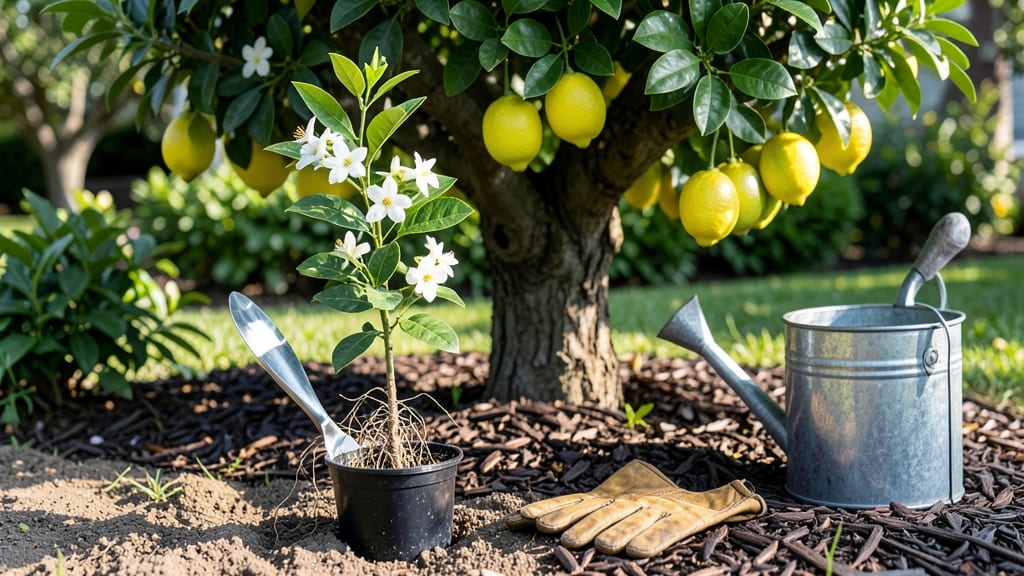
Planting a 🍊 citrus tree in Florida seems simple—until you realize timing can make or break your harvest. The wrong season means struggling with weak roots, frost damage (yes, even here!), or wasted effort.
Florida’s year-round growing season is a gift, but late winter to early spring is the sweet spot for planting citrus trees.
Why? Because those warmer months give young roots time to establish before summer’s brutal heat arrives. Plus, you avoid the rare (but possible) cold snaps that can sneak in during winter. Whether you’re growing sweet oranges in Tampa or grapefruit in Miami, this window ensures your tree starts strong.
I’ve seen firsthand how a well-timed planting leads to faster growth and bigger harvests. In this guide, I’ll break down exactly when to plant, which varieties thrive best, and how to protect your tree from Florida’s quirks—like sudden temperature drops or soggy soil.
Let’s get your citrus off to the perfect start.
Ready to turn your backyard into a fruit-bearing paradise? The clock is ticking—literally. Grab your shovel, and let’s dive into the best practices for planting citrus trees in Florida’s unique climate.
Optimal Florida citrus planting windows: late winter to early spring explained
Florida’s year-round growing season might make you think citrus trees can be planted anytime—but timing still matters.
The best window for planting citrus trees in Florida is late winter to early spring (December through March), when soil temperatures are ideal for root establishment and the risk of unexpected frost is minimal.
This period aligns with Florida’s dormant season, giving young trees a head start before summer’s intense heat.
While Florida rarely experiences frost, North Florida (USDA Zones 8a–9a) can see occasional cold snaps in January and February. Planting during this window ensures your citrus tree has time to root deeply before the heat of summer, reducing transplant shock.
In South and Central Florida (Zones 9b–11), where frost is nearly nonexistent, you can extend planting into April or even early fall—but late winter remains the safest bet.
Here’s why December–March is the gold standard: cooler air temperatures (between 60–75°F) allow roots to establish without the stress of summer heatwaves or winter droughts. Additionally, Florida’s humid subtropical climate means planting in late winter avoids the fungal risks associated with summer’s high humidity and frequent rains.
For coastal areas (like Miami or Fort Myers), the window is slightly broader—you can plant as late as April or early May—but inland regions (such as Orlando or Gainesville) should stick to December–February to avoid late-winter cold snaps.
Microclimates matter: even a few miles inland can mean 5–10°F colder nights, which can stress young citrus trees.
🌱 Florida Citrus Planting Timeline
| Month | Optimal Planting? | Why? | Best For |
|---|---|---|---|
| December | ✅ Yes | Cool soil temps, minimal frost risk | North/Central FL |
| January | ✅ Best | Ideal root growth, low stress | All FL regions |
| February | ✅ Best | Warmer soil, still low humidity | South/Central FL |
| March | ✅ Good | Early spring growth begins | Coastal areas |
| April–May | ⚠️ Risky | High heat + humidity stress | South FL only |
| September–October | ✅ Fall Backup | Avoids summer heat, good for transplants | All FL regions |
If you miss the December–March window, don’t panic—citrus trees can be planted year-round in Florida. However, fall planting (September–October) is the next-best option, as it allows roots to establish before the summer heat.
Avoid planting in June–August unless you’re in South Florida’s Zone 11, where extreme heat and drought can stress young trees. For container-grown citrus, timing is less critical, but still follow the same principles to maximize growth.
Pro tip: Soil temperature is just as important as air temperature. Use a soil thermometer to ensure it’s above 60°F before planting—this prevents root rot and encourages faster establishment.
In North Florida, wait until mid-February to guarantee soil warmth. For South Florida, early January is perfect, as the soil stays warm year-round.
Another key factor is rainfall timing. Planting in late winter avoids Florida’s summer monsoons, which can waterlog soil and suffocate roots. Instead, aim for dry, mild conditions that allow roots to spread freely.
If you’re in a drought-prone area, supplement with drip irrigation for the first 30–60 days post-planting to ensure survival.
For bearing trees, timing also affects fruit production. Trees planted in late winter
Optimal Florida citrus planting windows: late winter to early spring explained
Florida’s year-round growing season might make you think citrus trees can be planted anytime—but that’s a costly mistake. The ideal window is late winter to early spring (December through March), when soil temperatures are warming but summer’s brutal heat hasn’t arrived yet.
This timing gives young roots 3-4 months to establish before the stress of Florida’s 90°F+ days kicks in.
Why does this matter? Root establishment is critical for citrus trees. Planting in late winter means your tree avoids transplant shock during the hottest months, when water demands spike and soil compaction increases.
Plus, you dodge the rare (but possible) cold snaps that can sneak into Florida’s USDA Zones 9a-11—especially in North Florida.
🌱 Pro Tip: Coastal areas like Miami and Key West can plant slightly earlier (November-December), while inland regions (Orlando, Gainesville) should wait until mid-February to avoid early cold snaps. Microclimates matter!
| Planting Window | Key Benefits | Risks to Avoid |
|---|---|---|
| Late Winter (Dec-Feb) | Warm soil, lower disease risk, strong root growth before summer | Early cold snaps in North FL (below 30°F) |
| Early Spring (Mar-Apr) | Avoids summer heat stress, established roots handle Florida’s humidity | Late frost risk (rare but possible in Zone 9a) |
| Fall (Sep-Oct) | Second-best option for container-grown trees | Hurricane season risks, slower root growth before winter |
If you must plant outside this window, fall (September-October) is your second-best option, especially for container-grown trees. However, bare-root trees planted in summer will struggle with heat stress and poor root development.
I’ve seen citrus trees planted in July wither within months—they simply can’t compete with Florida’s summer intensity.
💧 Watering Wisdom: After planting, give your citrus tree 15-20 gallons of water per week for the first month, regardless of season. Mulch heavily (3-4 inches) to retain moisture and regulate soil temperature.
This is non-negotiable in Florida’s humid climate—even when it’s not raining, the heat dries out soil faster than you think.
Remember: Timing isn’t everything, but in Florida’s climate, it’s 90% of your success. A well-timed planting means faster fruit production, stronger trees, and years of homegrown citrus instead of store-bought disappointments. Your future self (and your taste buds) will thank you!